Do first
Photography
7a–8a
Weatherfeather
Gathering the sky, the forecast, and the life nearby into one field note.
Texas riverlands · Texas
Weather field guide
The night opening around the limestone riverlands.
The visual day has gone quiet; temperature, wind, insects, and edge movement become the living signals.
The night opening around the limestone riverlands.
the limestone riverlands after dark rewards patience and stillness; eyes adjust, ears sharpen, and the place reveals itself on its own terms.
5a is the cleanest weather window. Heat builds toward 93°; protect the morning and shade. Watch temperature, insects, and edge movement more than color or distant views.
Best outside
5a
77° with 0% rain risk
Weather risk
Heat load
Heat builds toward 93°; protect the morning and shade.
Nature cue
After-dark signal
Watch temperature, insects, and edge movement more than color or distant views.
Do first
7a–8a
Ten small weather plates: rain signal, sky language, and the temperature span the landscape will move through.
Today
Jun 10
Partly cloudy
Golden hour, right time of day.
Backup plan
7a–10a
Comfortable 77°, dry.
Watch out
6a–7a
Dry, right time of day. Watch warm at 77°.
A practical field note read through river shade, limestone wall, and the next useful window outside.
Move outside plans toward 5a.
77° with 0% rain risk. Avoid 5p if you need the lowest friction; rain should stay manageable, and temperature stays relatively stable.
The day as movement: a calmer read of when to step outside, when to wait, and when weather asks for caution.
Do first
Photography
7a–8a
Golden hour, right time of day.
Backup plan
Creek & cedar
7a–10a
Comfortable 77°, dry.
Watch out
Running
6a–7a
Dry, right time of day. Watch warm at 77°.
Best opening
7a–8a
Golden hour, right time of day. Light is the subject. Watch warm at 77°.
Rhythm line
Weather read
77°
6 mph wind · 6% rain
Watch
warm at 77°
Running
Motif
limestone wall
low light
Creek & cedar
7a–10a
Comfortable 77°, dry
Walking
6a–8a
Dry, still air
Yard work
8a–11a
Dry, right time of day
Walking
Easy outdoor pace.
6a–8aDry, still air
Running
Steady aerobic effort.
6a–7aDry, right time of day · Watch warm at 77°
Photography
Light is the subject.
Thu
Jun 11
Overcast
Fri
Jun 12
Light drizzle
Sat
Jun 13
Overcast
Sun
Jun 14
Overcast
Mon
Jun 15
Drizzle
Tue
Jun 16
Drizzle
Wed
Jun 17
Overcast
Thu
Jun 18
Partly cloudy
Fri
Jun 19
Overcast
7a–8aGolden hour, right time of day
Yard work
Long exposure, full sun.
8a–11aDry, right time of day
Driving
Roads readable, sky clear.
8a–10aComfortable 78°, dry
Creek & cedar
Limestone country.
7a–10aComfortable 77°, dry
Texas riverlands
After dark, the weather matters less like a forecast and more like a veil. Mammals and insects become the likely actors nearby.
Regional iNaturalist observations within roughly 50 km. Exact wildlife locations are intentionally not shown.

“The Texas Hill Country is a geographic region of Central and South Texas, forming the southeast part of the Edwards Plateau.”
Read on Wikipedia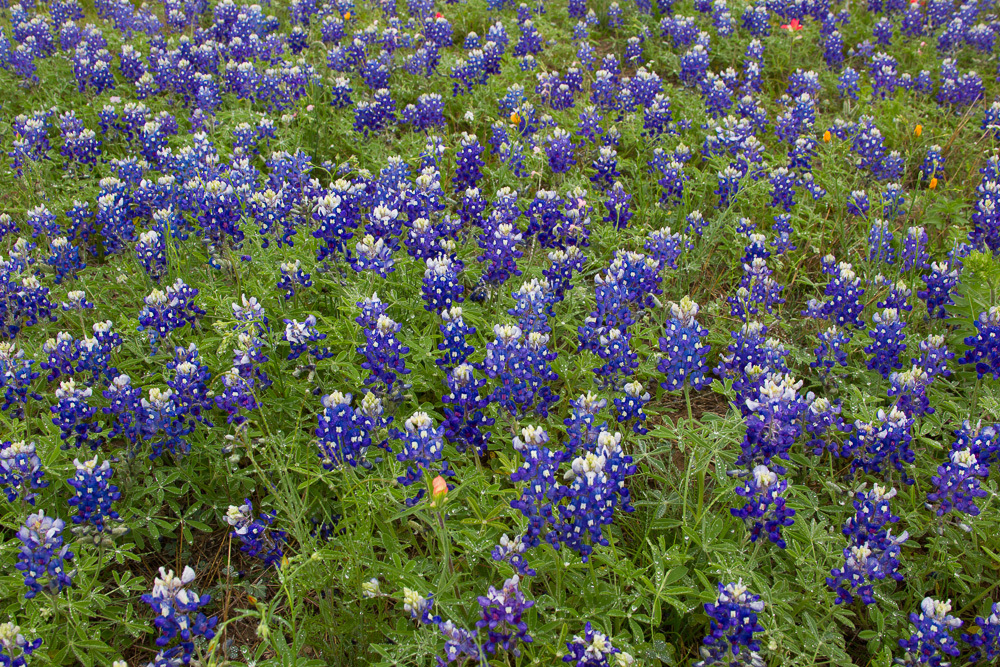
Plants
Texas Bluebonnet
iNaturalist regional observations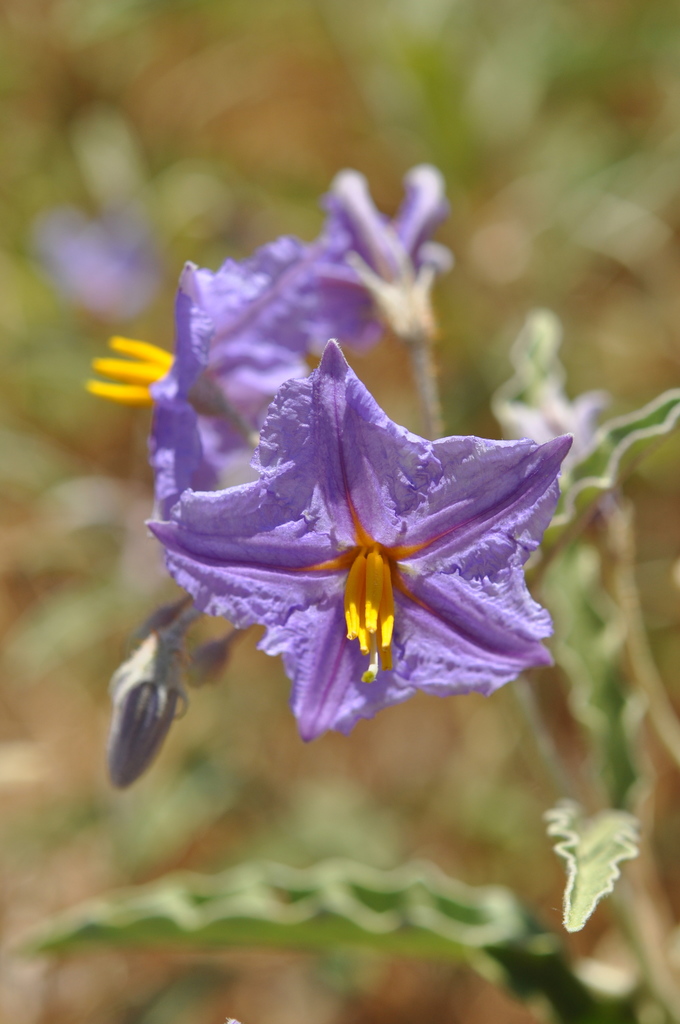
Plants
Silverleaf Nightshade
iNaturalist regional observations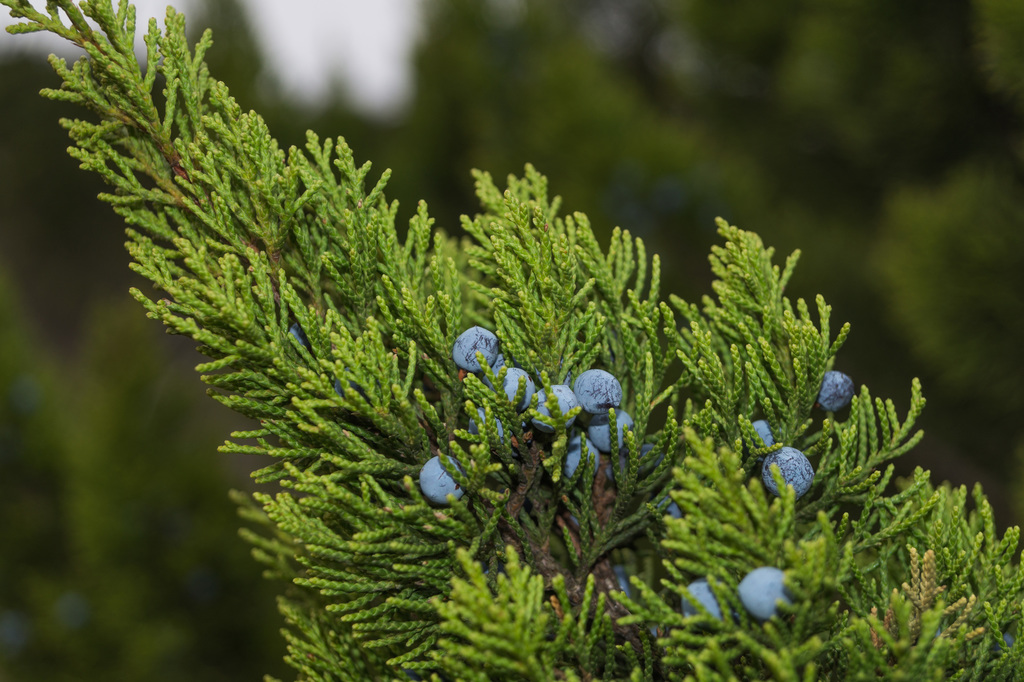
Plants
Ashe Juniper
iNaturalist regional observations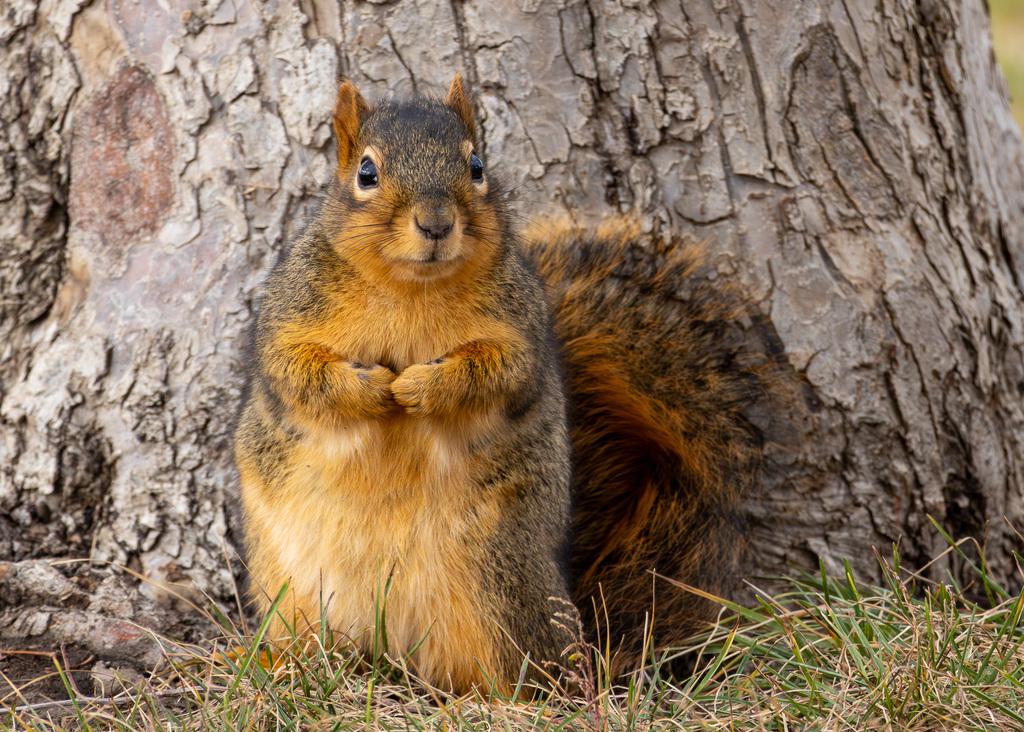
Eastern Fox Squirrel keeps its own schedule.
Mammals tend to shift around heat, rain, and human noise, turning dawn, dusk, shade, and cover into the real local calendar.
Regional iNaturalist observations within roughly 50 km; exact public wildlife locations are not shown. Field-note copy is curated from taxon group, current weather, and regional observation context.
Also nearby
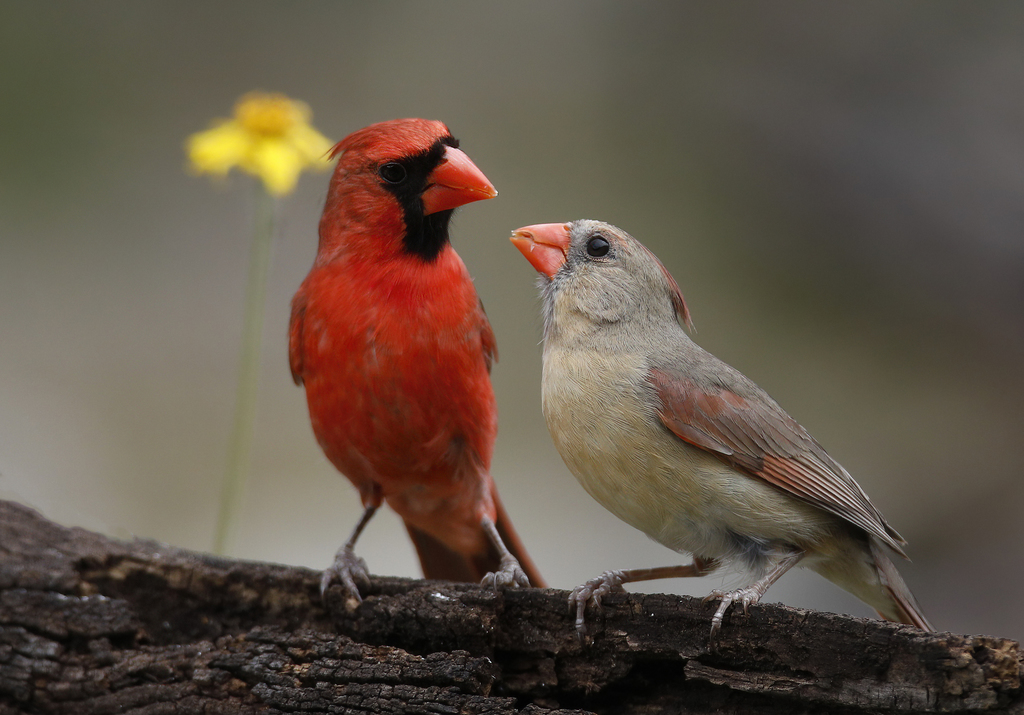
Northern Cardinal
Mammals & bears
fur + tracks
Eastern Fox Squirrel
Sciurus niger
iNaturalist regional observations11,057 obs in the regional sample
White-tailed Deer
Odocoileus virginianus
iNaturalist regional observations8,661 obs in the regional sample
Common Raccoon
Procyon lotor
iNaturalist regional observations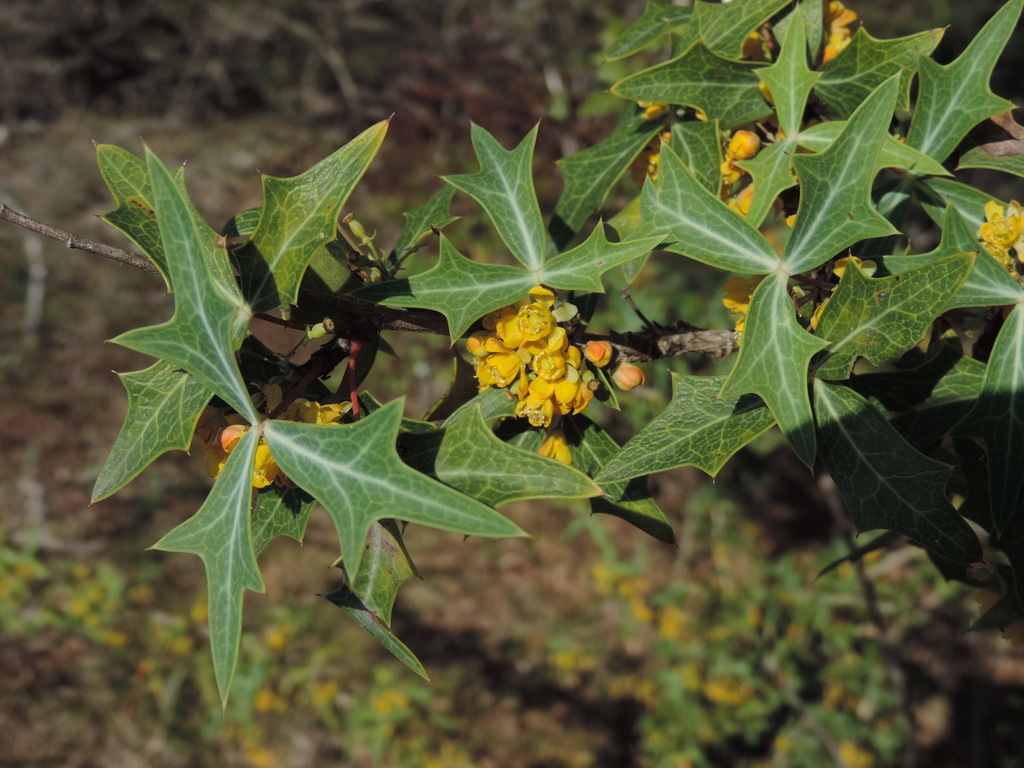
Plants
Agarita
iNaturalist regional observationsMammals & bears
Eastern Fox Squirrel
iNaturalist regional observations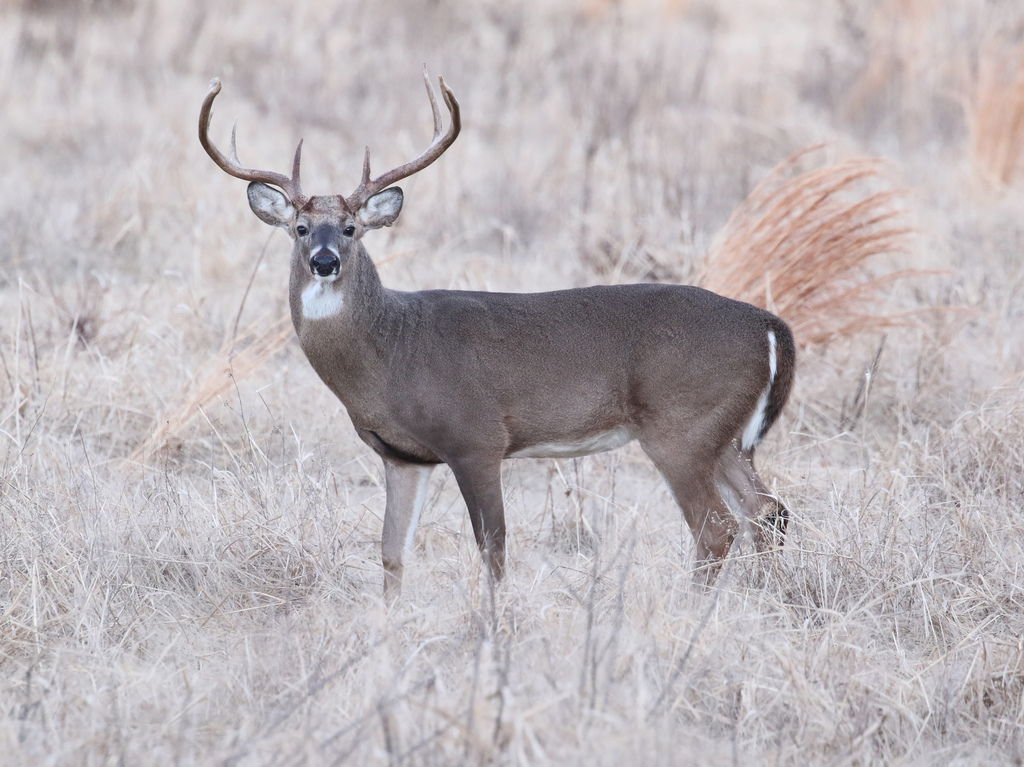
Mammals & bears
White-tailed Deer
iNaturalist regional observations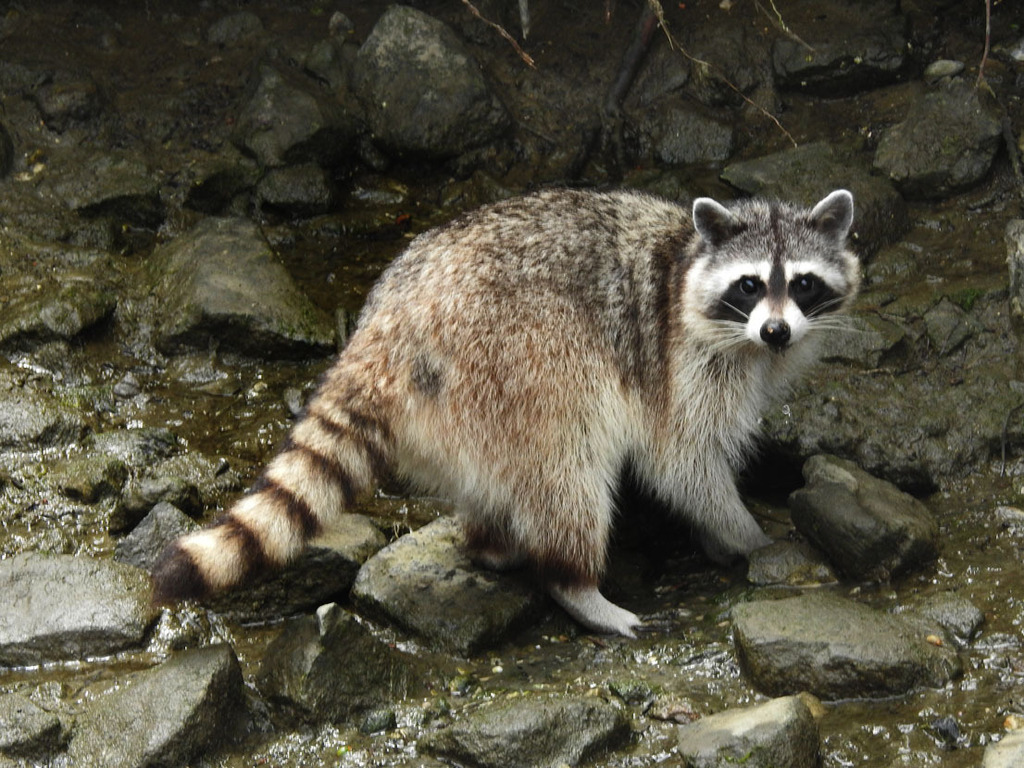
Mammals & bears
Common Raccoon
iNaturalist regional observationsBirds
Northern Cardinal
iNaturalist regional observations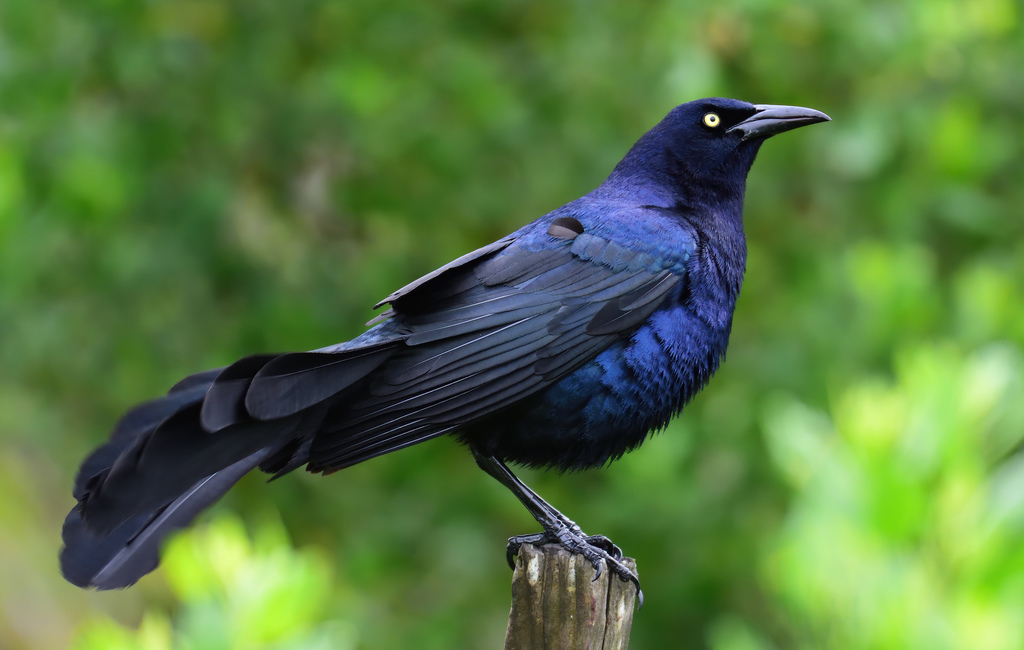
Birds
Great-tailed Grackle
iNaturalist regional observations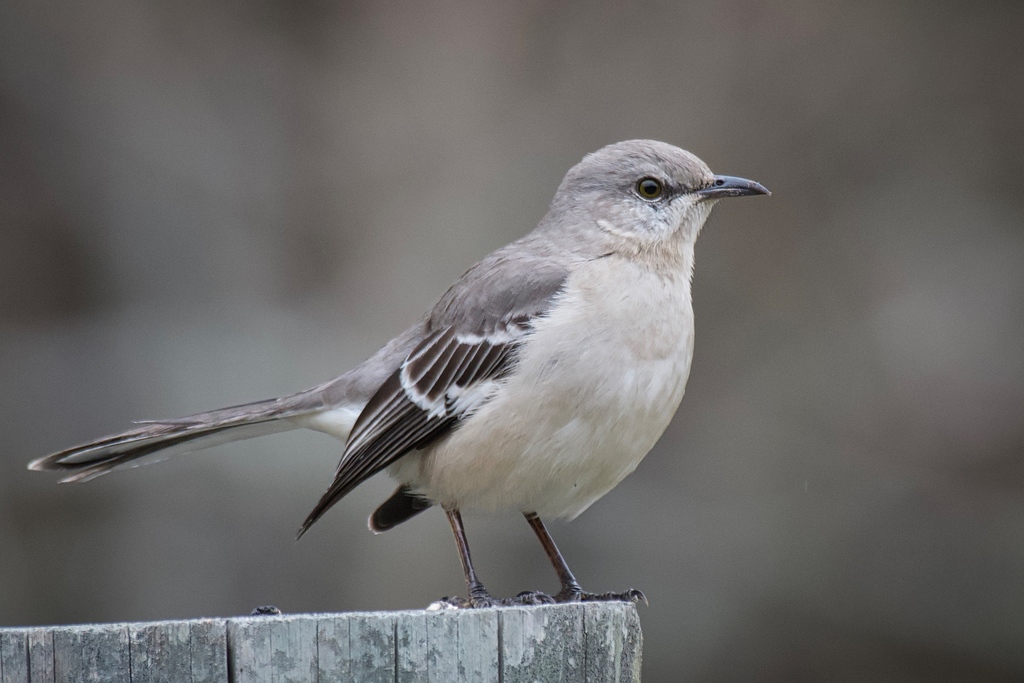
Birds
Northern Mockingbird
iNaturalist regional observations
Reptiles & amphibians
Texas Spiny Lizard
iNaturalist regional observations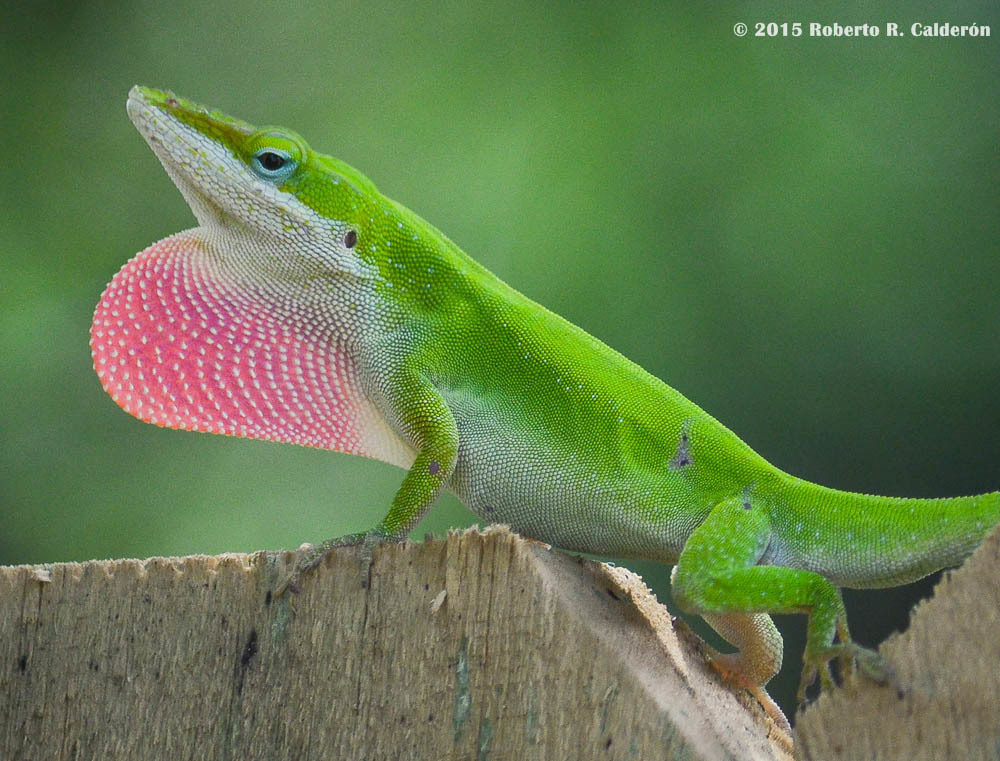
Reptiles & amphibians
Green Anole
iNaturalist regional observationsPlants
Texas Bluebonnet
iNaturalist regional observationsPlants
Silverleaf Nightshade
iNaturalist regional observationsPlants
Ashe Juniper
iNaturalist regional observationsPlants
Agarita
iNaturalist regional observationsMammals & bears
Eastern Fox Squirrel
iNaturalist regional observationsMammals & bears
White-tailed Deer
iNaturalist regional observationsMammals & bears
Common Raccoon
iNaturalist regional observationsBirds
Northern Cardinal
iNaturalist regional observationsBirds
Great-tailed Grackle
iNaturalist regional observationsBirds
Northern Mockingbird
iNaturalist regional observationsReptiles & amphibians
Texas Spiny Lizard
iNaturalist regional observationsReptiles & amphibians
Green Anole
iNaturalist regional observationsiNaturalist regional observations · 10,900 obs
Texas Spiny Lizard
iNaturalist regional observations · 10,532 obs
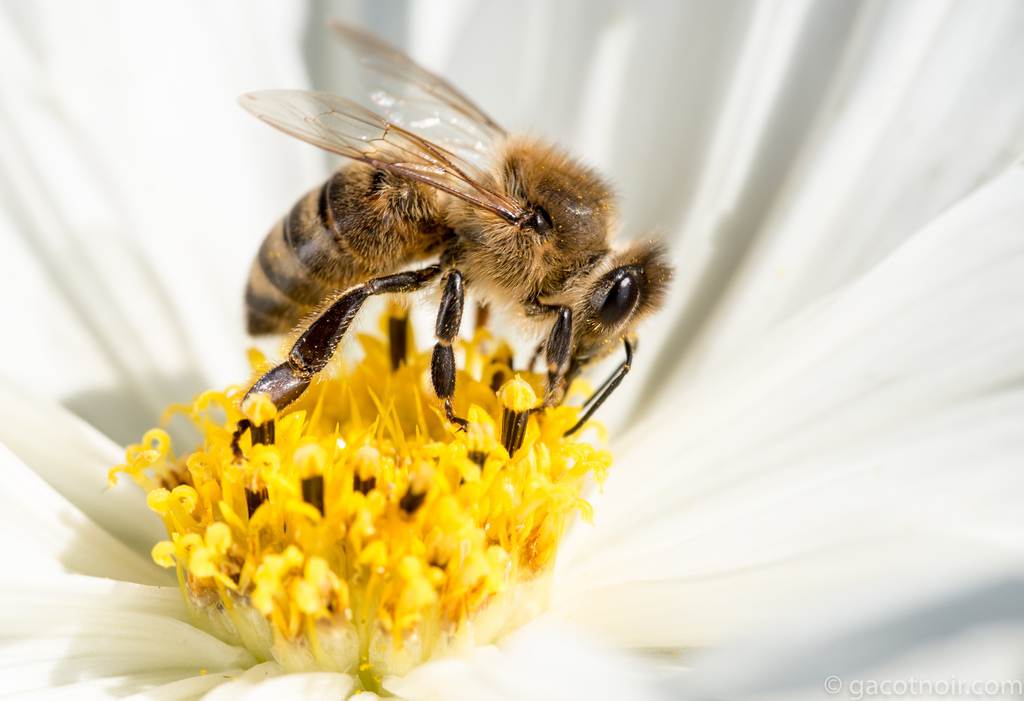
Western Honey Bee
iNaturalist regional observations · 8,096 obs
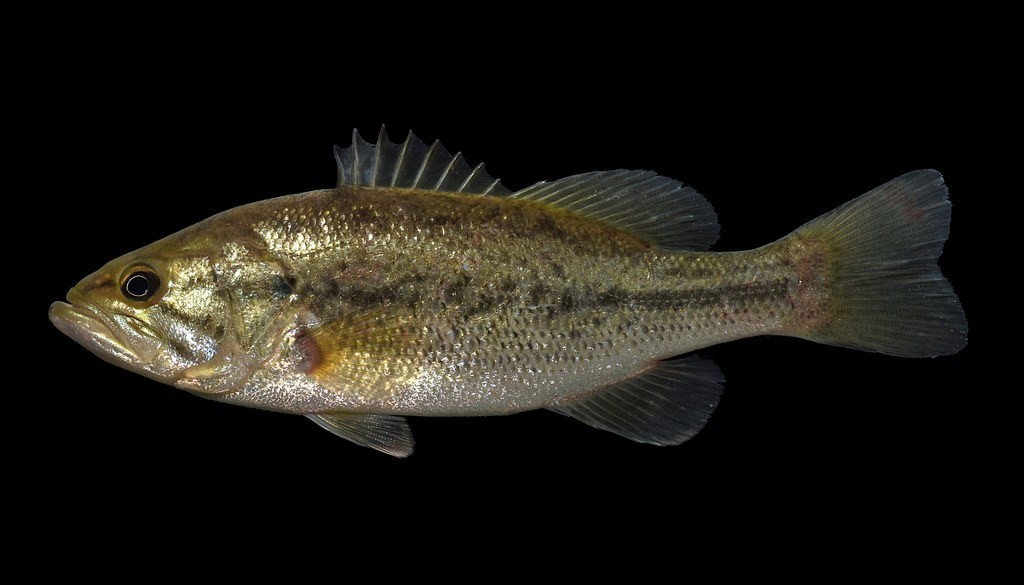
Largemouth Bass
iNaturalist regional observations · 1,233 obs
5,629 obs in the regional sample
Dawn and dusk are the real activity windows — heat reshapes the day.
iNaturalist regional observations · 25,347 total observations
Birds
wing
Northern Cardinal
Cardinalis cardinalis
iNaturalist regional observations10,900 obs in the regional sample
Great-tailed Grackle
Quiscalus mexicanus
iNaturalist regional observations7,252 obs in the regional sample
Northern Mockingbird
Mimus polyglottos
iNaturalist regional observations6,784 obs in the regional sample
Nesting season — dawn chorus is dense, midday quiets down.
iNaturalist regional observations · 24,936 total observations
Reptiles & amphibians
rain skin
Texas Spiny Lizard
Sceloporus olivaceus
iNaturalist regional observations10,532 obs in the regional sample
Green Anole
Anolis carolinensis
iNaturalist regional observations9,849 obs in the regional sample
Gulf Coast Toad
Incilius nebulifer
iNaturalist regional observations8,833 obs in the regional sample
Warm rocks bring out lizards; rains push frogs and toads into chorus.
iNaturalist regional observations · 29,214 total observations
Insects
small life
Western Honey Bee
Apis mellifera
iNaturalist regional observations8,096 obs in the regional sample
Monarch
Danaus plexippus
iNaturalist regional observations7,900 obs in the regional sample
Gulf Fritillary
Dione vanillae
iNaturalist regional observations7,623 obs in the regional sample
Insect activity peaks; pollinator and predator traffic both high.
iNaturalist regional observations · 23,619 total observations
Fish
fin
Largemouth Bass
Micropterus nigricans
iNaturalist regional observations1,233 obs in the regional sample
Bluegill
Lepomis macrochirus
iNaturalist regional observations1,179 obs in the regional sample
Western Mosquitofish
Gambusia affinis
iNaturalist regional observations1,068 obs in the regional sample
Bass and sunfish active in limestone creek bends; gar cruise the deeper pools.
iNaturalist regional observations · 3,480 total observations
Plants
leaf
Texas Bluebonnet
Lupinus texensis
iNaturalist regional observations7,596 obs in the regional sample
Silverleaf Nightshade
Solanum elaeagnifolium
iNaturalist regional observations7,440 obs in the regional sample
Ashe Juniper
Juniperus ashei
iNaturalist regional observations7,020 obs in the regional sample
Full canopy and seed set — shade structure carries the day.
iNaturalist regional observations · 29,012 total observations