Do first
Weatherfeather
Opening the weather.
Gathering the sky, the forecast, and the life nearby into one field note.
air
light
life
Weatherfeather
Gathering the sky, the forecast, and the life nearby into one field note.
coastal tide · Hawaii
Weather field guide
The coast after the light is gone.
The visual day has gone quiet; temperature, wind, insects, and edge movement become the living signals.
The coast after the light is gone.
the coast in the night hours is about threshold moments — the last light, the first stars, and whatever moves between them.
5a is the cleanest weather window. No single weather risk dominates the day. Watch temperature, insects, and edge movement more than color or distant views.
Best outside
5a
72° with 2% rain risk
Weather risk
Low friction
No single weather risk dominates the day.
Nature cue
After-dark signal
Watch temperature, insects, and edge movement more than color or distant views.
Do first
Ten small weather plates: rain signal, sky language, and the temperature span the landscape will move through.
Today
Jun 9
Drizzle
Tomorrow 6a–7a
Comfortable 71°, golden hour.
Backup plan
Tomorrow 6a–8a
Comfortable 71°, dry.
Lowest-friction avoid
Tomorrow 6a–7a
Dry, clear.
A practical field note read through tide line, salt veil, and the next useful window outside.
5a is clearly the day's cleanest window.
72° with 2% rain risk. Avoid 11a if you need the lowest friction; rain should stay manageable, and temperature stays relatively stable.
The day as movement: a calmer read of when to step outside, when to wait, and when weather asks for caution.
Do first
Photography
Tomorrow 6a–7a
Comfortable 71°, golden hour.
Backup plan
Walking
Tomorrow 6a–8a
Comfortable 71°, dry.
Lowest-friction avoid
Running
Tomorrow 6a–7a
Dry, clear.
Best opening
Tomorrow 6a–7a
Comfortable 71°, right time of day. Light is the subject. No major friction signal is leading the day.
Rhythm line
Weather read
74°
9 mph wind · 10% rain
Watch
Low friction
No major activity warning
Motif
salt veil
low light
Walking
Tomorrow 6a–8a
Comfortable 71°, dry
On the water
Tomorrow 7a–10a
Comfortable 74°, dry
Yard work
Tomorrow 8a–11a
Dry, clear
Walking
Easy outdoor pace.
Tomorrow 6a–8aComfortable 71°, dry
Running
Steady aerobic effort.
Tomorrow 6a–7aDry, clear
Photography
Light is the subject.
Wed
Jun 10
Drizzle
Thu
Jun 11
Light drizzle
Fri
Jun 12
Light drizzle
Sat
Jun 13
Overcast
Sun
Jun 14
Drizzle
Mon
Jun 15
Light drizzle
Tue
Jun 16
Drizzle
Wed
Jun 17
Light drizzle
Thu
Jun 18
Light drizzle
Tomorrow 6a–7aComfortable 71°, right time of day
Yard work
Long exposure, full sun.
Tomorrow 8a–11aDry, clear
Driving
Roads readable, sky clear.
Tomorrow 7a–9aComfortable 74°, dry
On the water
Coast, tide, open horizon.
Tomorrow 7a–10aComfortable 74°, dry
coastal tide
After dark, the weather matters less like a forecast and more like a veil. Mammals and insects become the likely actors nearby.
Regional iNaturalist observations within roughly 50 km. Exact wildlife locations are intentionally not shown.

“Nā Pali Coast State Park is a 6,175-acre (2,499 ha) state park in the U.S.”
Read on Wikipedia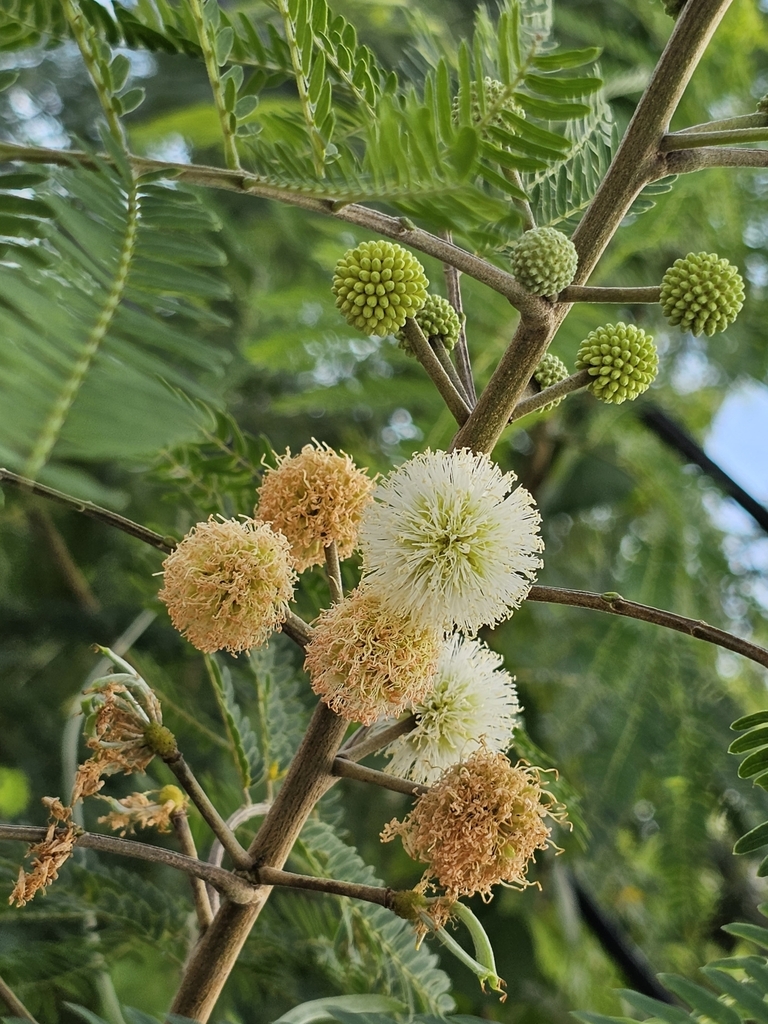
Plants
White Leadtree
iNaturalist regional observations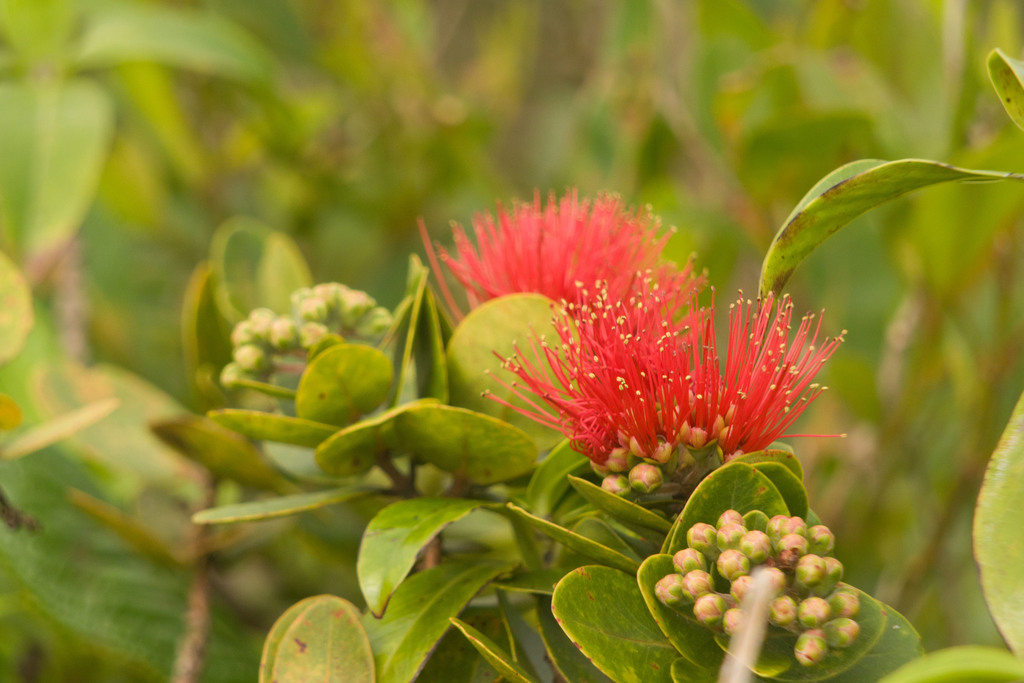
Plants
ʻōhiʻa Lehua
iNaturalist regional observations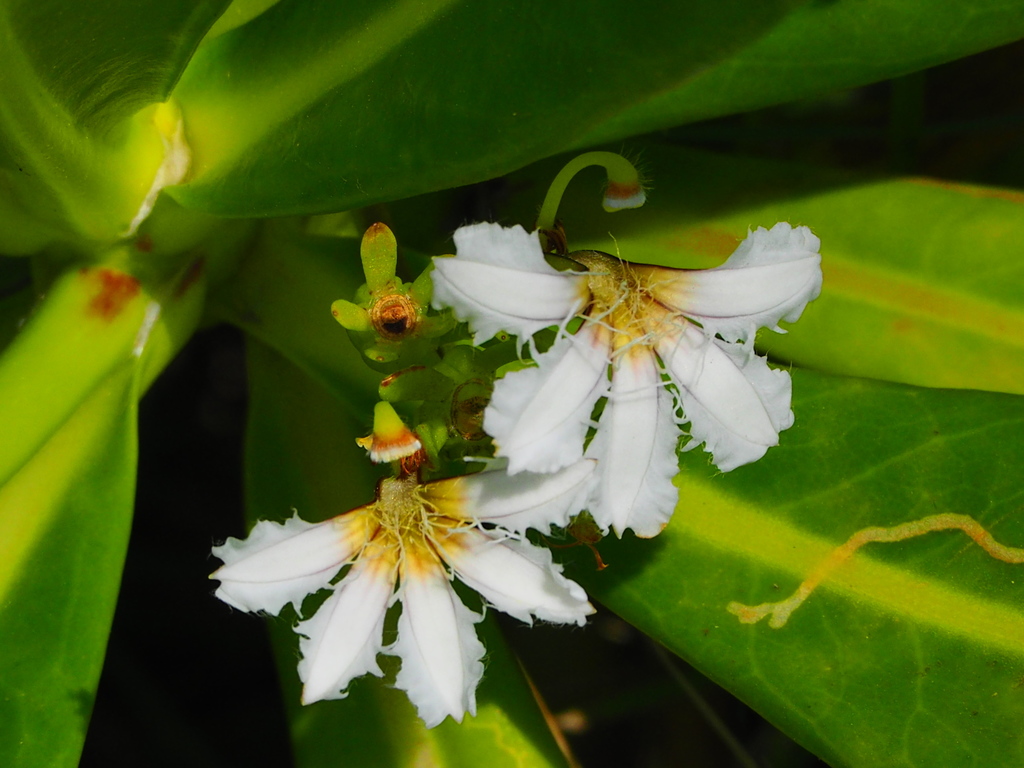
Plants
Beach Naupaka
iNaturalist regional observations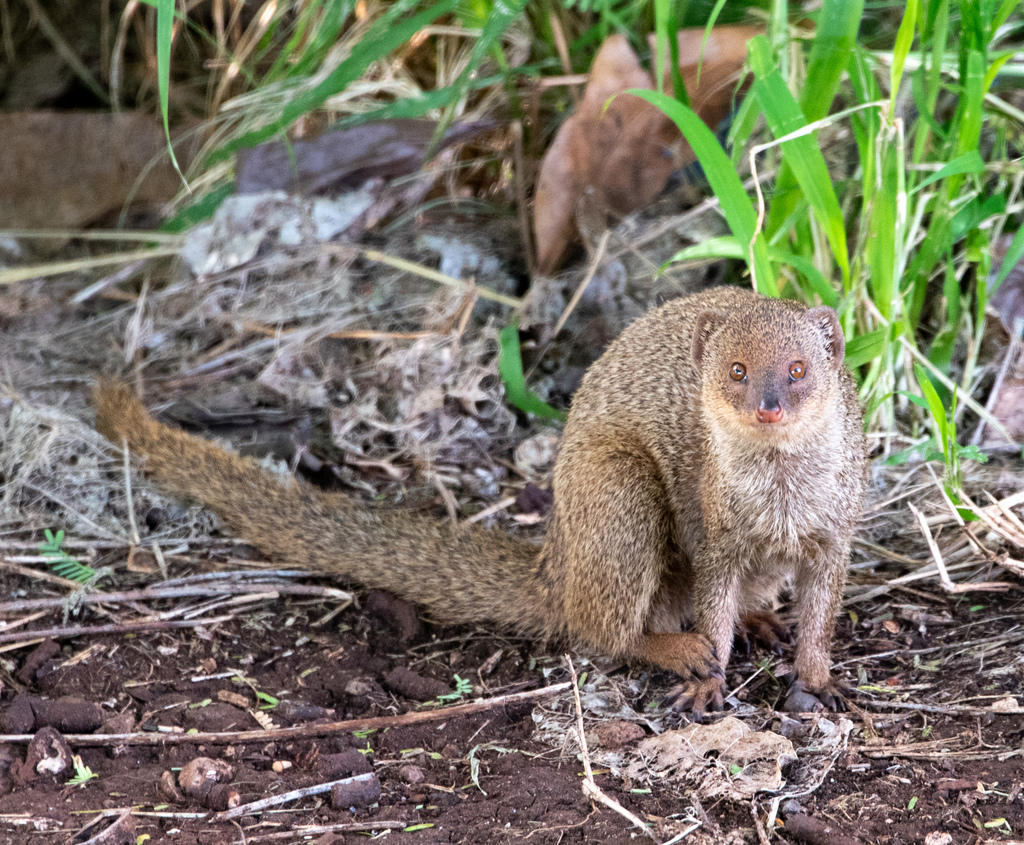
Small Indian Mongoose keeps its own schedule.
Mammals tend to shift around heat, rain, and human noise, turning dawn, dusk, shade, and cover into the real local calendar.
Regional iNaturalist observations within roughly 50 km; exact public wildlife locations are not shown. Field-note copy is curated from taxon group, current weather, and regional observation context.
Also nearby
Mammals & bears
fur + tracks
Small Indian Mongoose
Urva auropunctata
iNaturalist regional observations1,183 obs in the regional sample
Hawaiian Monk Seal
Neomonachus schauinslandi
iNaturalist regional observations960 obs in the regional sample
Domestic Cat
Felis catus
iNaturalist regional observations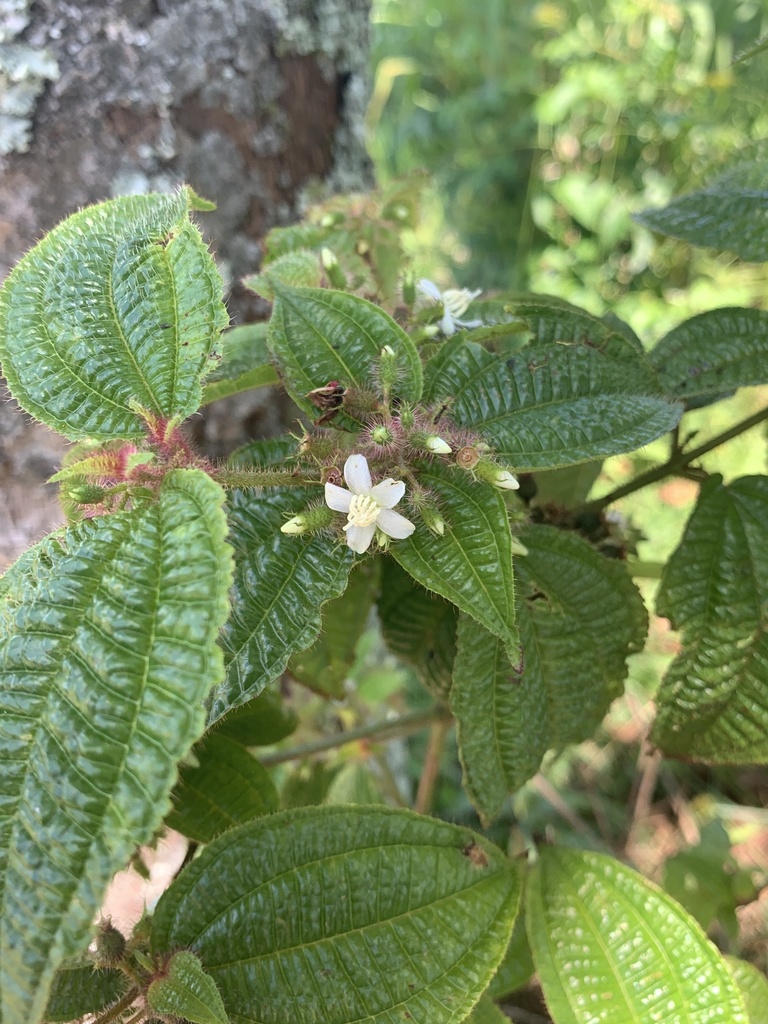
Plants
Koster's Curse
iNaturalist regional observationsMammals & bears
Small Indian Mongoose
iNaturalist regional observations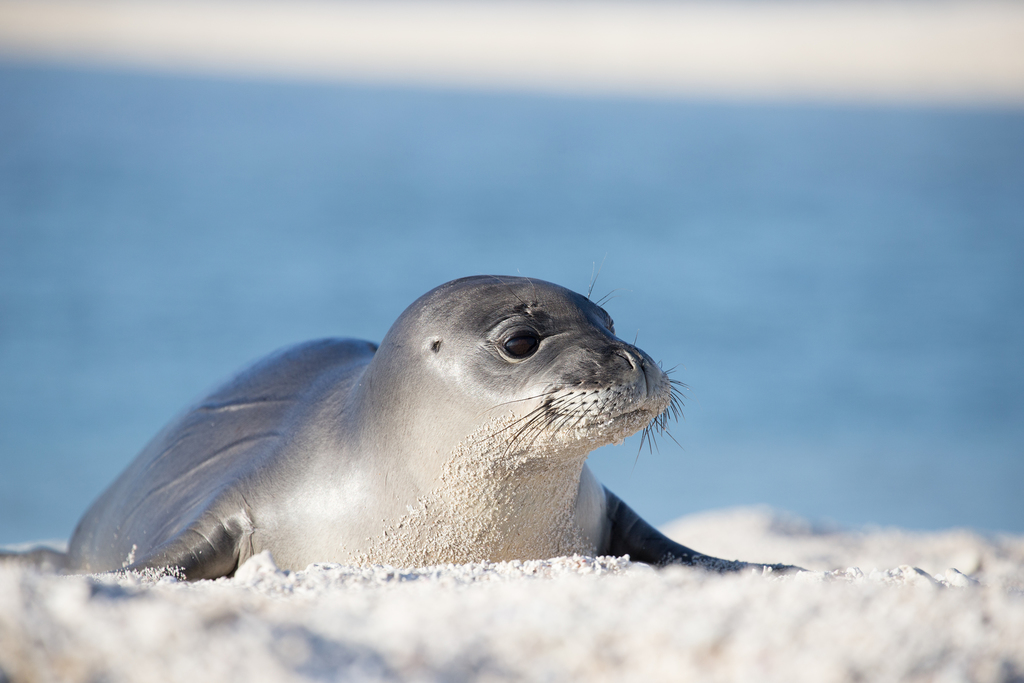
Mammals & bears
Hawaiian Monk Seal
iNaturalist regional observations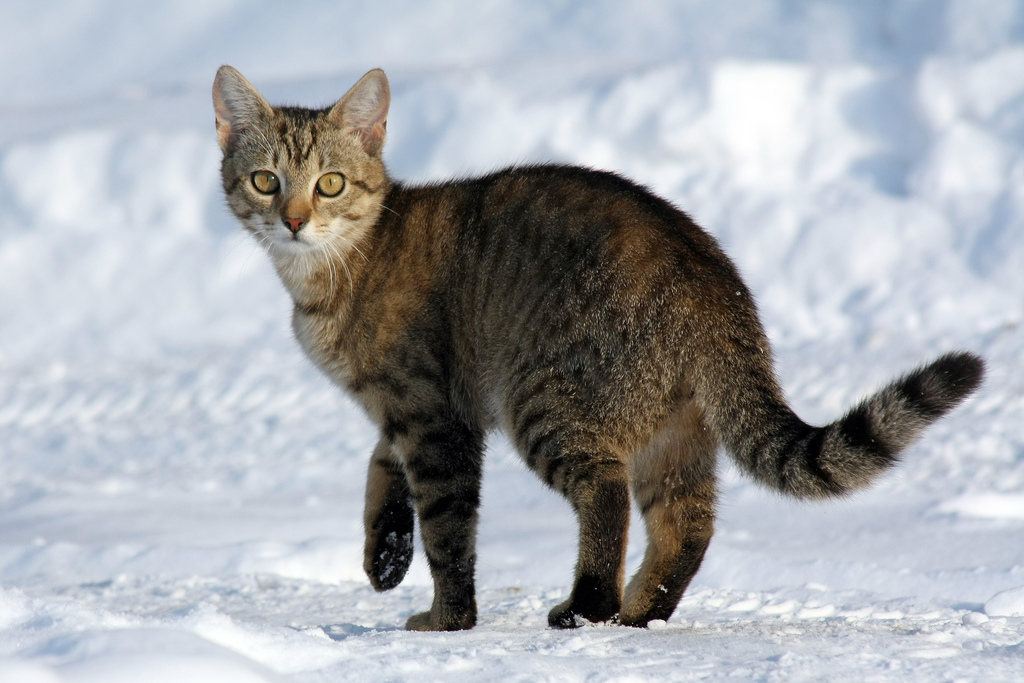
Mammals & bears
Domestic Cat
iNaturalist regional observationsBirds
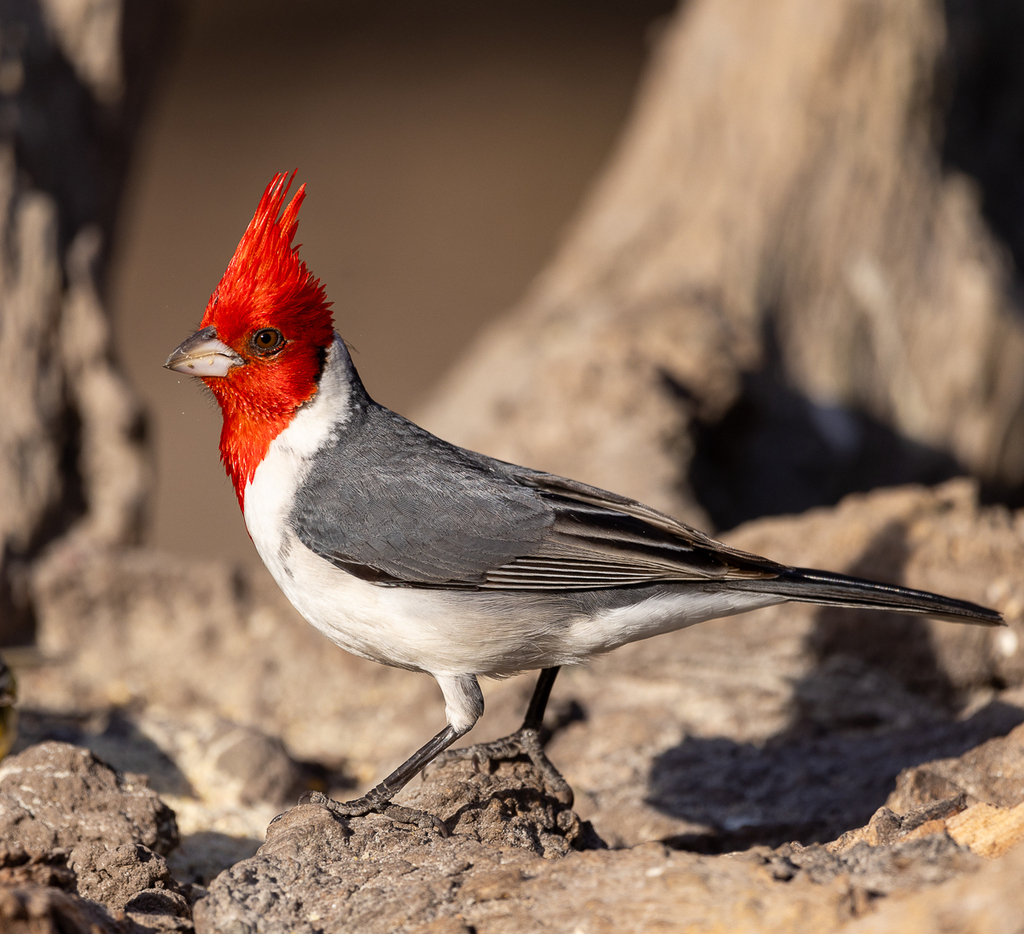
Red-crested Cardinal
iNaturalist regional observations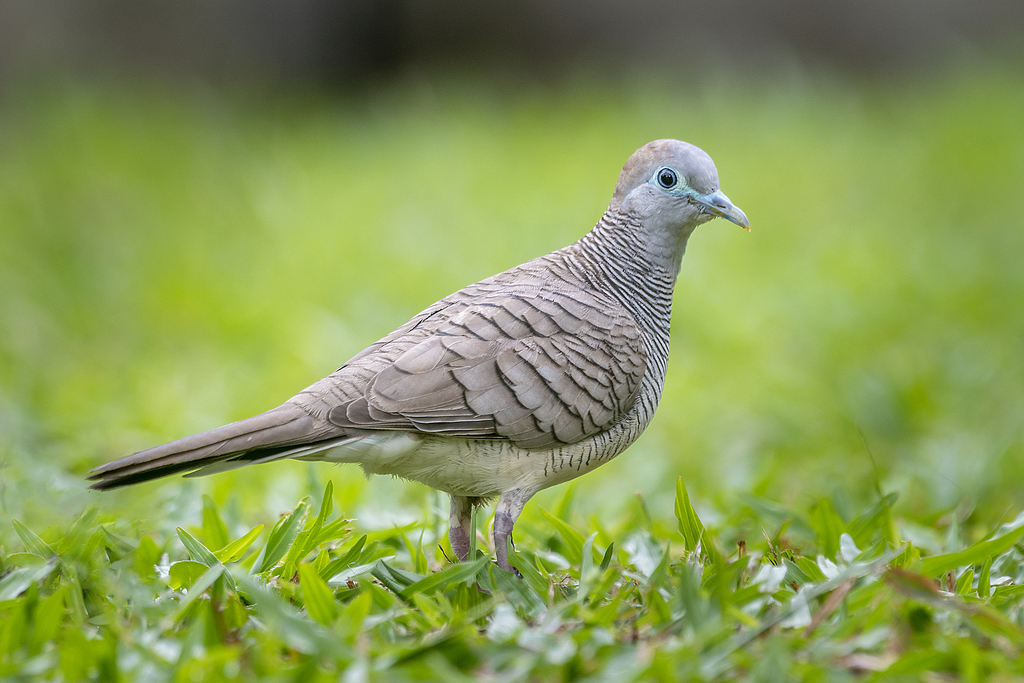
Birds
Zebra Dove
iNaturalist regional observations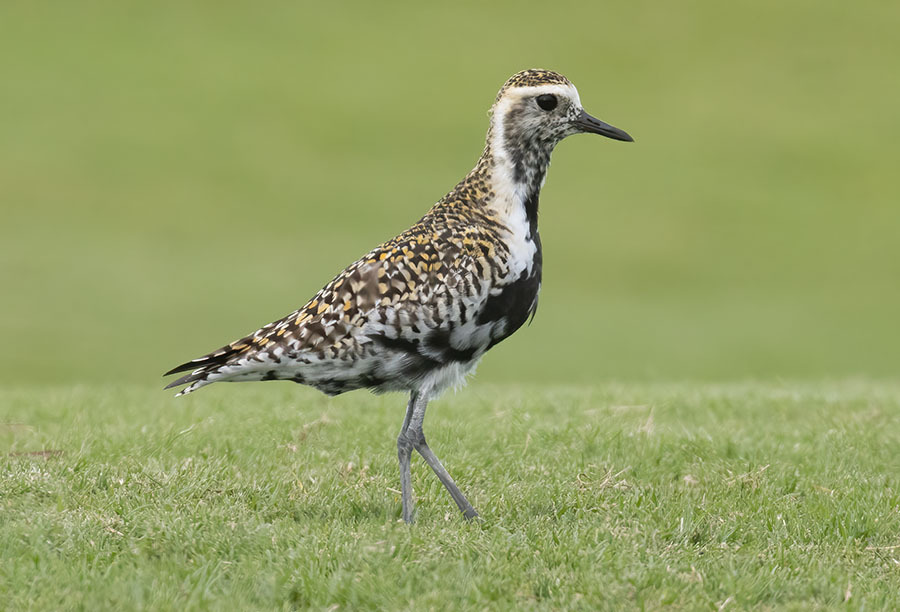
Birds
Pacific Golden-plover
iNaturalist regional observations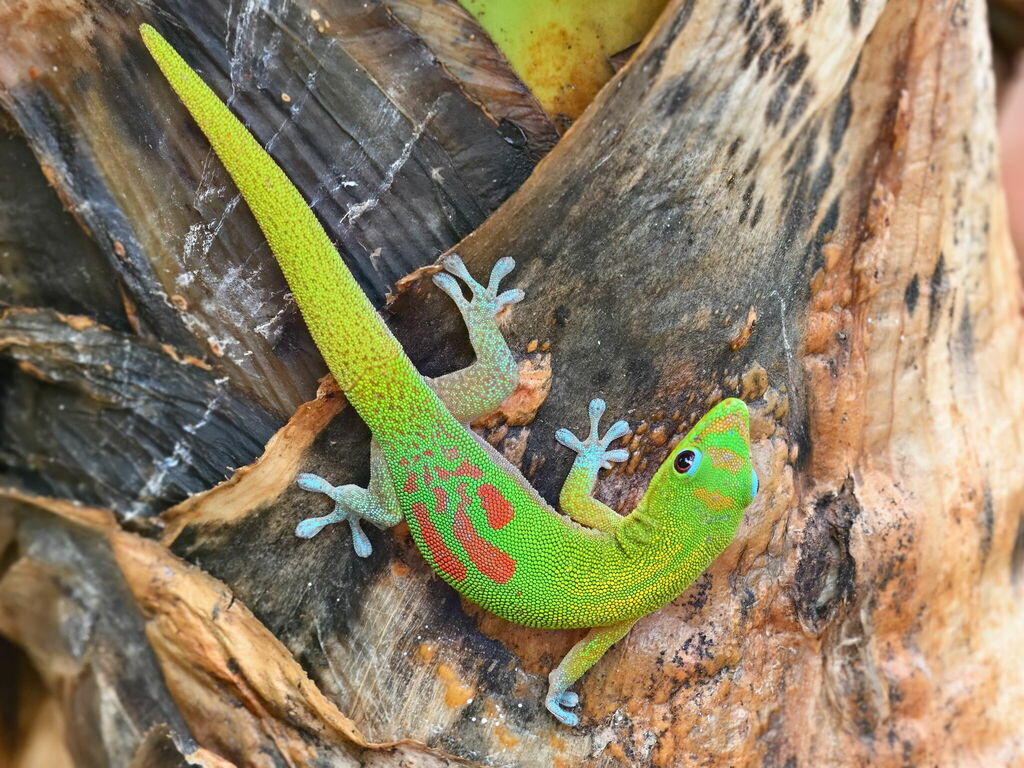
Reptiles & amphibians
Gold Dust Day Gecko
iNaturalist regional observations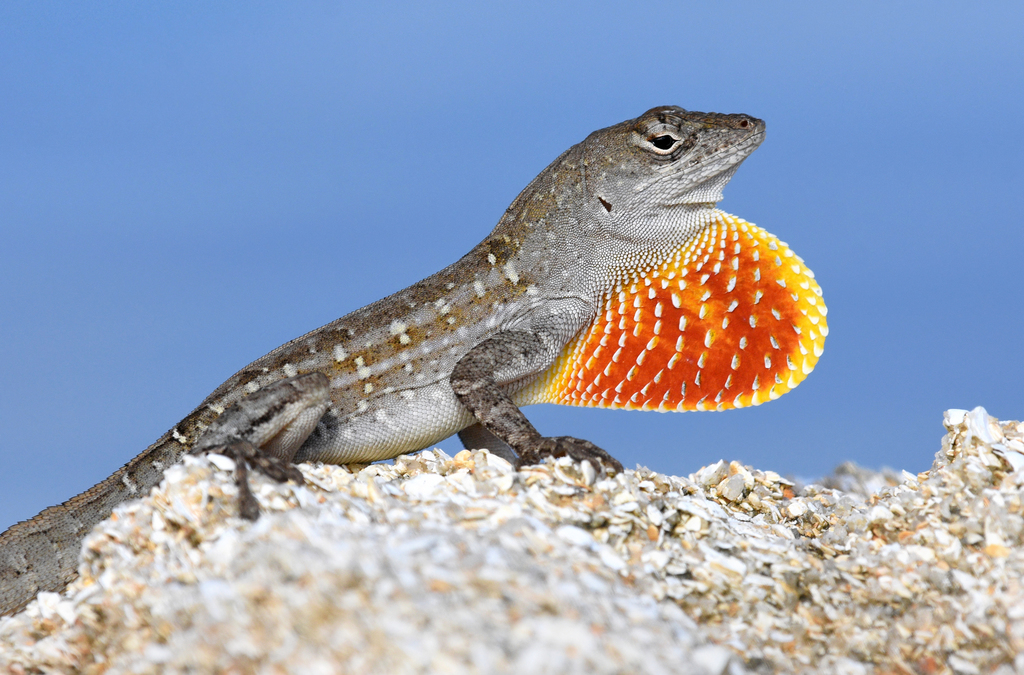
Reptiles & amphibians
Brown Anole
iNaturalist regional observationsPlants
White Leadtree
iNaturalist regional observationsPlants
ʻōhiʻa Lehua
iNaturalist regional observationsPlants
Beach Naupaka
iNaturalist regional observationsPlants
Koster's Curse
iNaturalist regional observationsMammals & bears
Small Indian Mongoose
iNaturalist regional observationsMammals & bears
Hawaiian Monk Seal
iNaturalist regional observationsMammals & bears
Domestic Cat
iNaturalist regional observationsBirds
Red-crested Cardinal
iNaturalist regional observationsBirds
Zebra Dove
iNaturalist regional observationsBirds
Pacific Golden-plover
iNaturalist regional observationsReptiles & amphibians
Gold Dust Day Gecko
iNaturalist regional observationsReptiles & amphibians
Brown Anole
iNaturalist regional observationsRed-crested Cardinal
iNaturalist regional observations · 4,942 obs
Gold Dust Day Gecko
iNaturalist regional observations · 2,967 obs
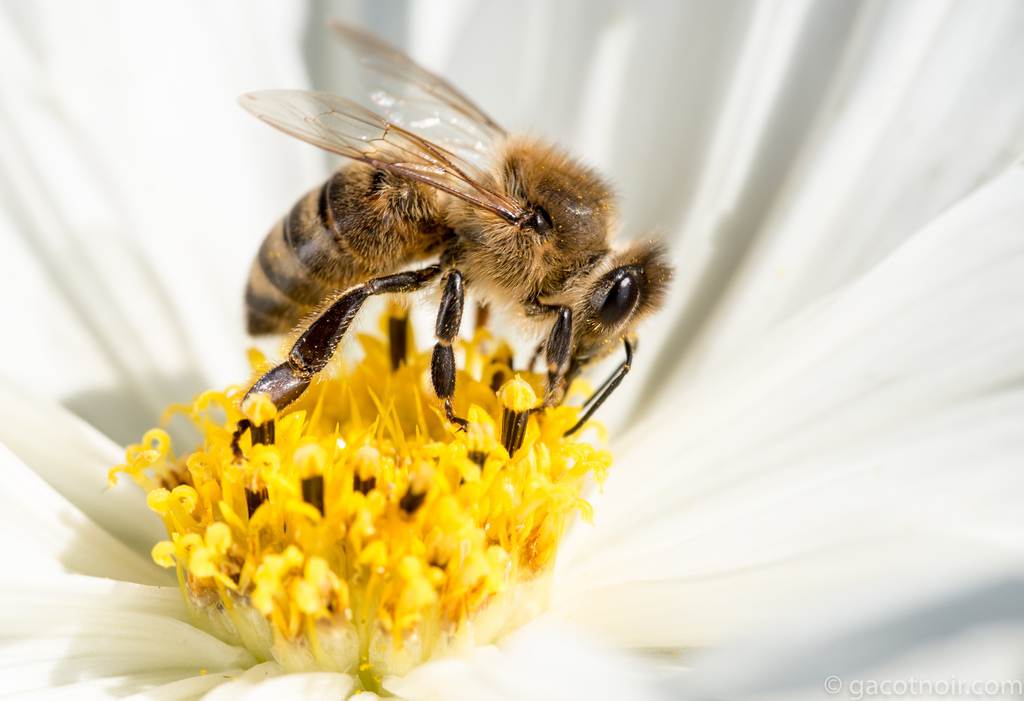
Western Honey Bee
iNaturalist regional observations · 944 obs
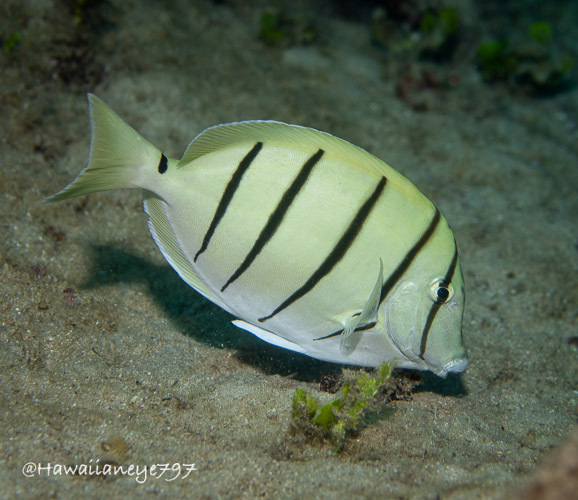
Hawaiian Convict Surgeonfish
iNaturalist regional observations · 1,190 obs
401 obs in the regional sample
Dawn and dusk are the real activity windows — heat reshapes the day.
iNaturalist regional observations · 2,544 total observations
Birds
wing
Red-crested Cardinal
Paroaria coronata
iNaturalist regional observations4,942 obs in the regional sample
Zebra Dove
Geopelia striata
iNaturalist regional observations4,233 obs in the regional sample
Pacific Golden-plover
Pluvialis fulva
iNaturalist regional observations3,507 obs in the regional sample
Nesting season — dawn chorus is dense, midday quiets down.
iNaturalist regional observations · 12,682 total observations
Reptiles & amphibians
rain skin
Gold Dust Day Gecko
Phelsuma laticauda
iNaturalist regional observations2,967 obs in the regional sample
Brown Anole
Anolis sagrei
iNaturalist regional observations2,812 obs in the regional sample
Green Sea Turtle
Chelonia mydas
iNaturalist regional observations2,240 obs in the regional sample
Warm-rain frog calls and edge-of-water reptile activity.
iNaturalist regional observations · 8,019 total observations
Insects
small life
Western Honey Bee
Apis mellifera
iNaturalist regional observations944 obs in the regional sample
Gulf Fritillary
Dione vanillae
iNaturalist regional observations931 obs in the regional sample
Monarch
Danaus plexippus
iNaturalist regional observations715 obs in the regional sample
Insect activity peaks; pollinator and predator traffic both high.
iNaturalist regional observations · 2,590 total observations
Fish
fin
Hawaiian Convict Surgeonfish
Acanthurus sandvicensis
iNaturalist regional observations1,190 obs in the regional sample
Moorish Idol
Zanclus cornutus
iNaturalist regional observations805 obs in the regional sample
Saddle Wrasse
Thalassoma duperrey
iNaturalist regional observations771 obs in the regional sample
Tidal species shift with salinity; flounder settle on grass flats, red drum cruise the edges.
iNaturalist regional observations · 2,766 total observations
Plants
leaf
White Leadtree
Leucaena leucocephala
iNaturalist regional observations2,196 obs in the regional sample
ʻōhiʻa Lehua
Metrosideros polymorpha
iNaturalist regional observations1,907 obs in the regional sample
Beach Naupaka
Scaevola taccada
iNaturalist regional observations1,578 obs in the regional sample
Salt-tolerant grasses and dune plants hold the system together through every storm.
iNaturalist regional observations · 7,188 total observations