Do first
Basin walk
7a–9a
Weatherfeather
Gathering the sky, the forecast, and the life nearby into one field note.
West Texas desert · Texas
Weather field guide
The desert basin after the light is gone.
The visual day has gone quiet; temperature, wind, insects, and edge movement become the living signals.
The desert basin after the light is gone.
the desert basin in the night hours is about threshold moments — the last light, the first stars, and whatever moves between them.
11p is the cleanest weather window. Heat builds toward 98°; protect the morning and shade. Watch temperature, insects, and edge movement more than color or distant views.
Best outside
11p
73° with 3% rain risk
Weather risk
Heat load
Heat builds toward 98°; protect the morning and shade.
Nature cue
After-dark signal
Watch temperature, insects, and edge movement more than color or distant views.
Do first
7a–9a
Ten small weather plates: rain signal, sky language, and the temperature span the landscape will move through.
Today
Jun 10
Overcast
Golden hour, right time of day.
Backup plan
7a–9a
Comfortable 66°, dry.
Lowest-friction avoid
7a–8a
Dry, right time of day.
A practical field note read through desert basin, stone heat, and the next useful window outside.
Move outside plans toward 11p.
73° with 3% rain risk. Avoid 5p if you need the lowest friction; rain should stay manageable, and expect a 32° swing.
The day as movement: a calmer read of when to step outside, when to wait, and when weather asks for caution.
Do first
Basin walk
7a–9a
Golden hour, right time of day.
Backup plan
Walking
7a–9a
Comfortable 66°, dry.
Lowest-friction avoid
Running
7a–8a
Dry, right time of day.
Best opening
7a–9a
Golden hour, right time of day. Open sky, dry stone. No major friction signal is leading the day.
Rhythm line
Weather read
70°
9 mph wind · 38% rain
Watch
Low friction
No major activity warning
Motif
stone heat
low light
Walking
7a–9a
Comfortable 66°, dry
Photography
7a–8a
Comfortable 66°, golden hour
Yard work
8a–11a
Comfortable 69°, dry
Walking
Easy outdoor pace.
7a–9aComfortable 66°, dry
Running
Steady aerobic effort.
7a–8aDry, right time of day
Photography
Light is the subject.
Thu
Jun 11
Heavy drizzle
Fri
Jun 12
Overcast
Sat
Jun 13
Overcast
Sun
Jun 14
Overcast
Mon
Jun 15
Light drizzle
Tue
Jun 16
Light drizzle
Wed
Jun 17
Overcast
Thu
Jun 18
Clear
Fri
Jun 19
Overcast
7a–8aComfortable 66°, golden hour
Yard work
Long exposure, full sun.
8a–11aComfortable 69°, dry
Driving
Roads readable, sky clear.
8a–10aComfortable 69°, dry
Basin walk
Open sky, dry stone.
7a–9aGolden hour, right time of day
West Texas desert
After dark, the weather matters less like a forecast and more like a veil. Mammals and insects become the likely actors nearby.
Regional iNaturalist observations within roughly 50 km. Exact wildlife locations are intentionally not shown.

“Big Bend National Park is a national park of the United States located in West Texas, bordering Mexico.”
Read on Wikipedia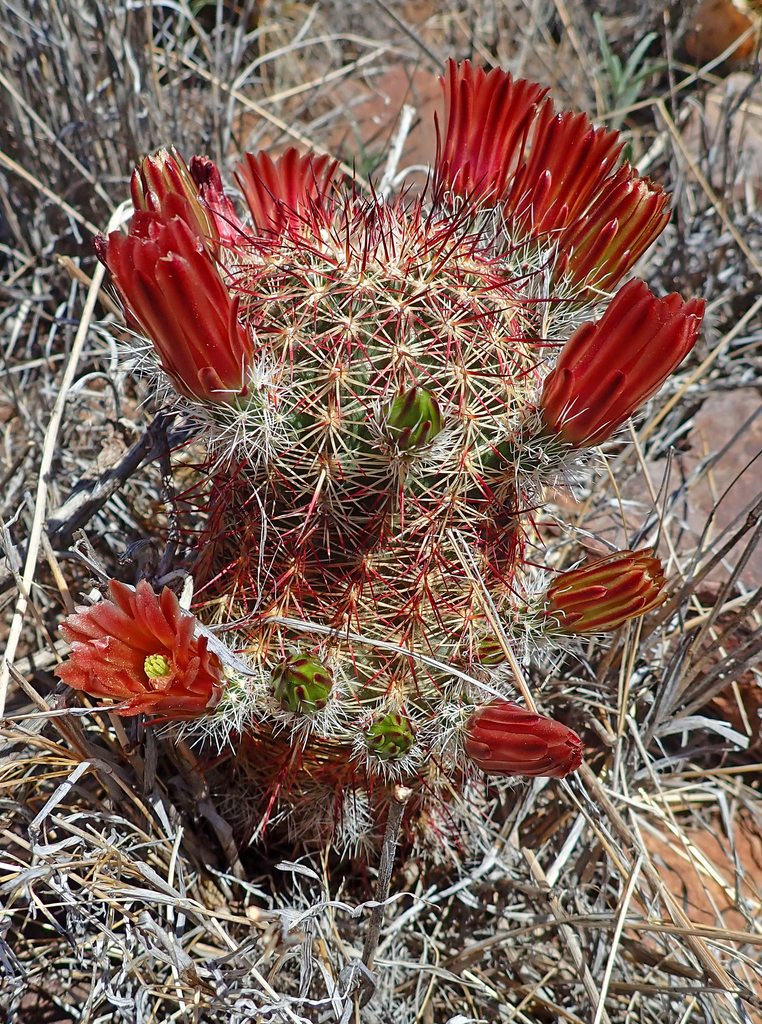
Plants
Texas Hedgehog Cactus
iNaturalist regional observations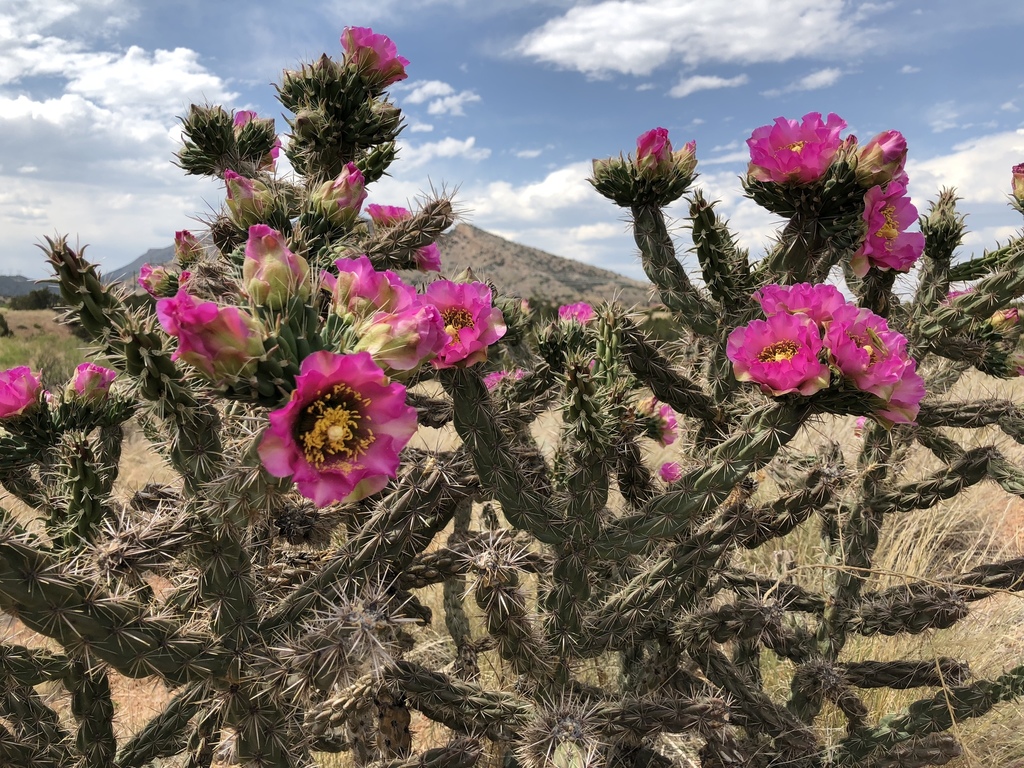
Plants
Tree Cholla
iNaturalist regional observations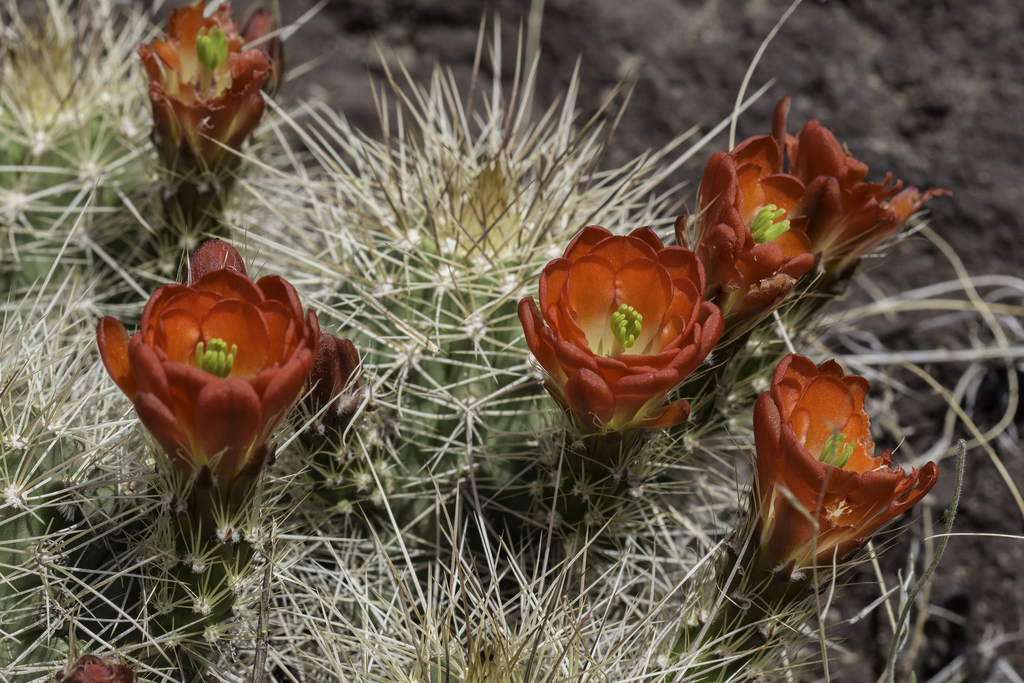
Plants
Scarlet Hedgehog Cactus
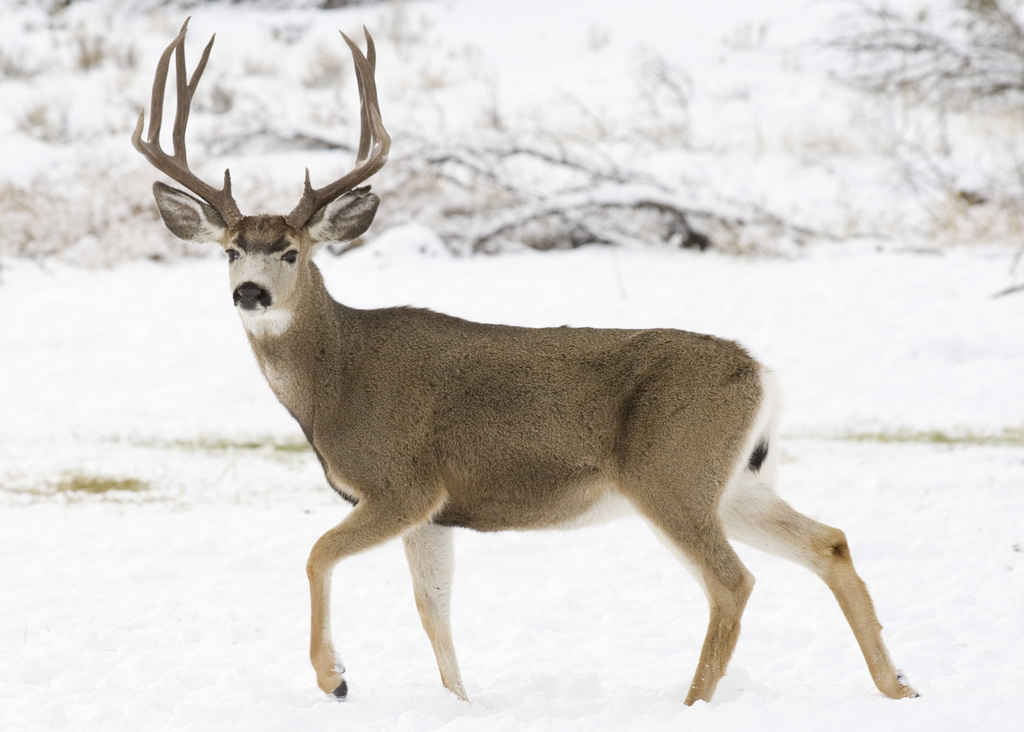
Mule Deer keeps its own schedule.
Mammals tend to shift around heat, rain, and human noise, turning dawn, dusk, shade, and cover into the real local calendar.
Regional iNaturalist observations within roughly 50 km; exact public wildlife locations are not shown. Field-note copy is curated from taxon group, current weather, and regional observation context.
Also nearby
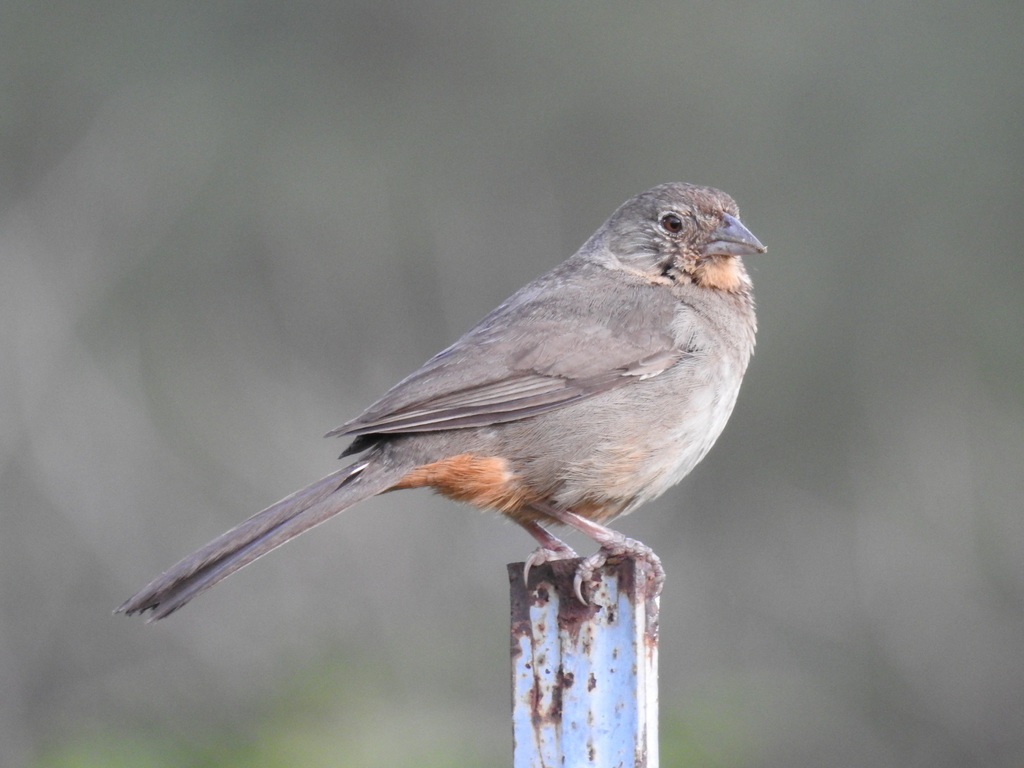
Canyon Towhee
Mammals & bears
fur + tracks
Mule Deer
Odocoileus hemionus
iNaturalist regional observations669 obs in the regional sample
Collared Peccary
Pecari tajacu
iNaturalist regional observations433 obs in the regional sample
Pronghorn
Antilocapra americana
iNaturalist regional observations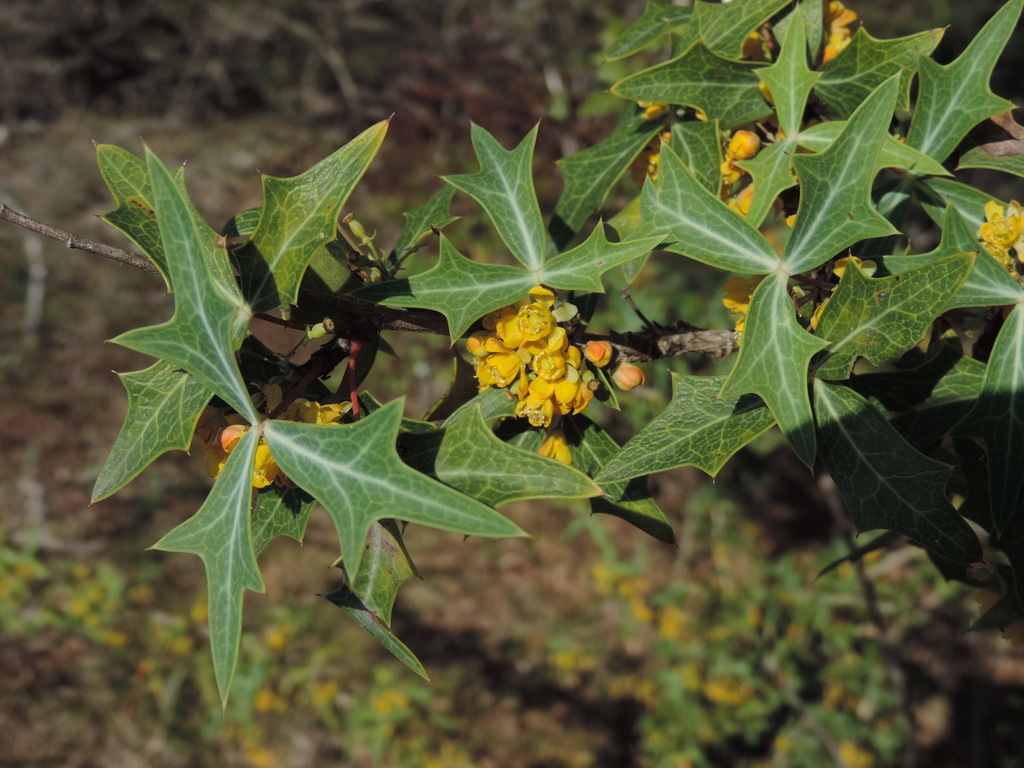
Plants
Agarita
iNaturalist regional observationsMammals & bears
Mule Deer
iNaturalist regional observations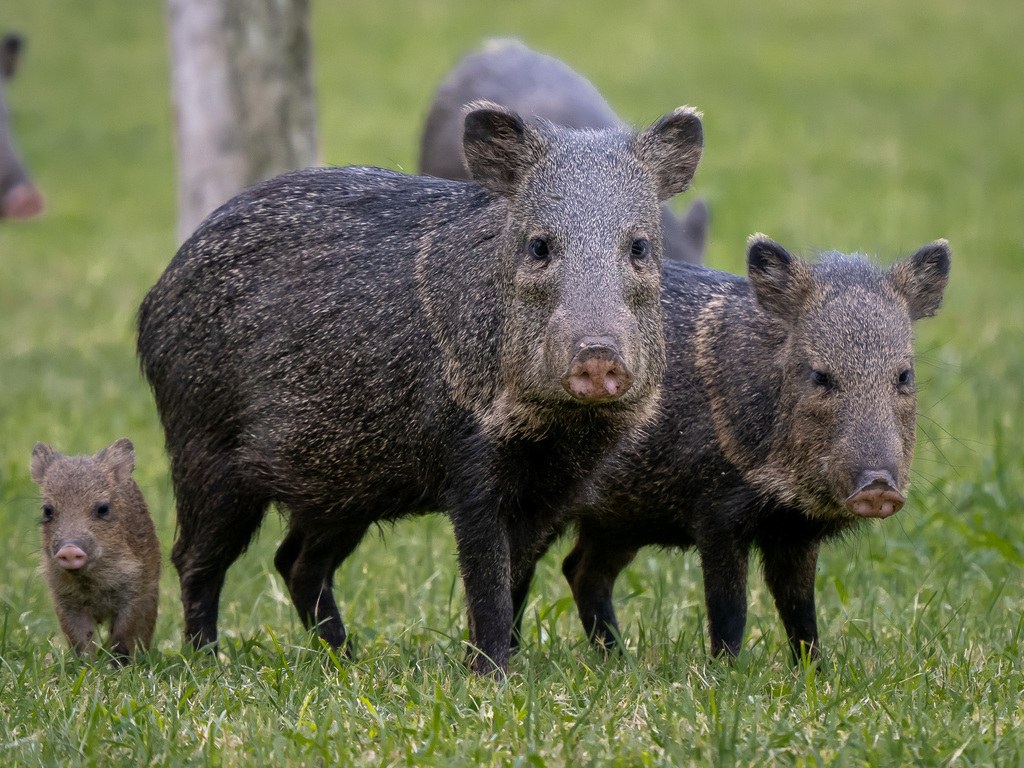
Mammals & bears
Collared Peccary
iNaturalist regional observations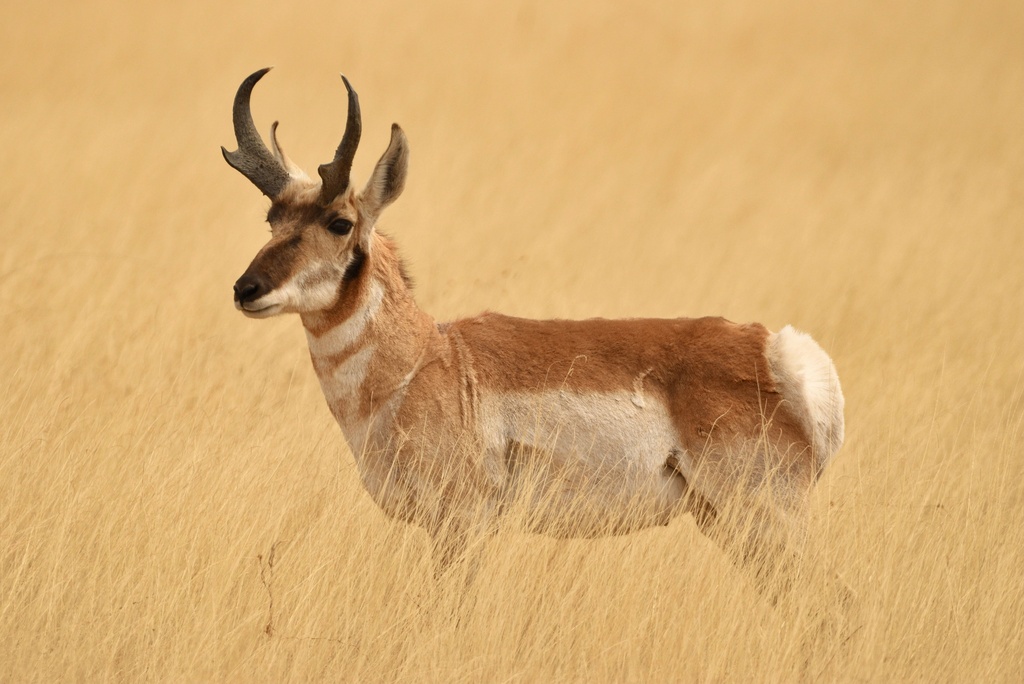
Mammals & bears
Pronghorn
iNaturalist regional observationsBirds
Canyon Towhee
iNaturalist regional observations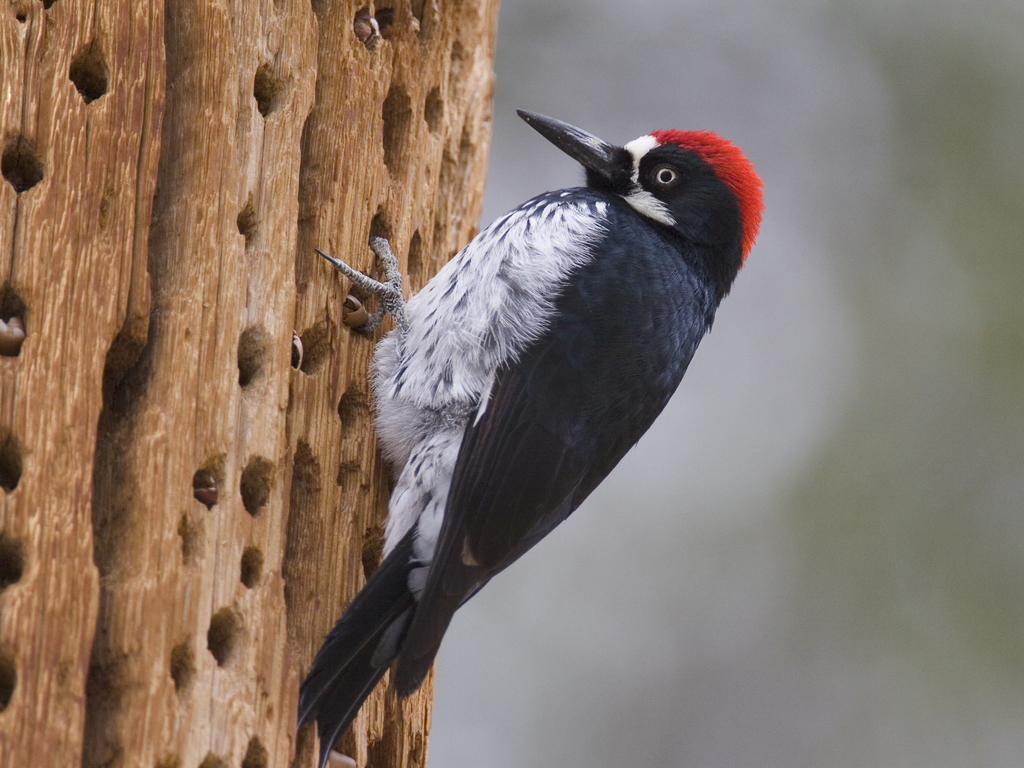
Birds
Acorn Woodpecker
iNaturalist regional observations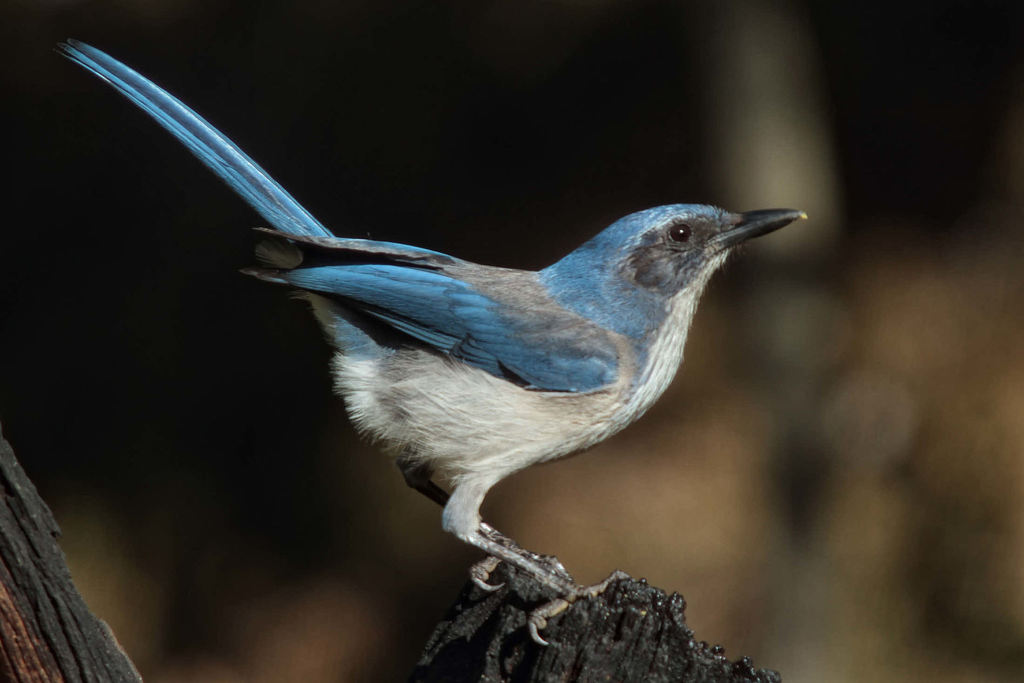
Birds
Woodhouse's Scrub-jay
iNaturalist regional observations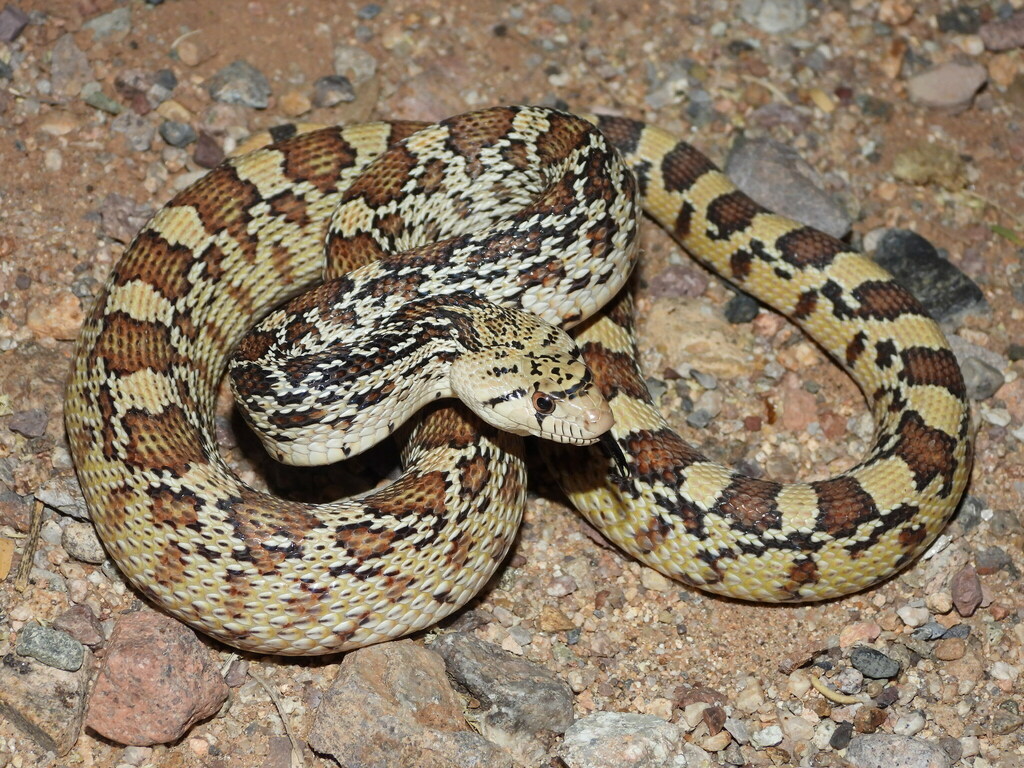
Reptiles & amphibians
Gopher Snake
iNaturalist regional observations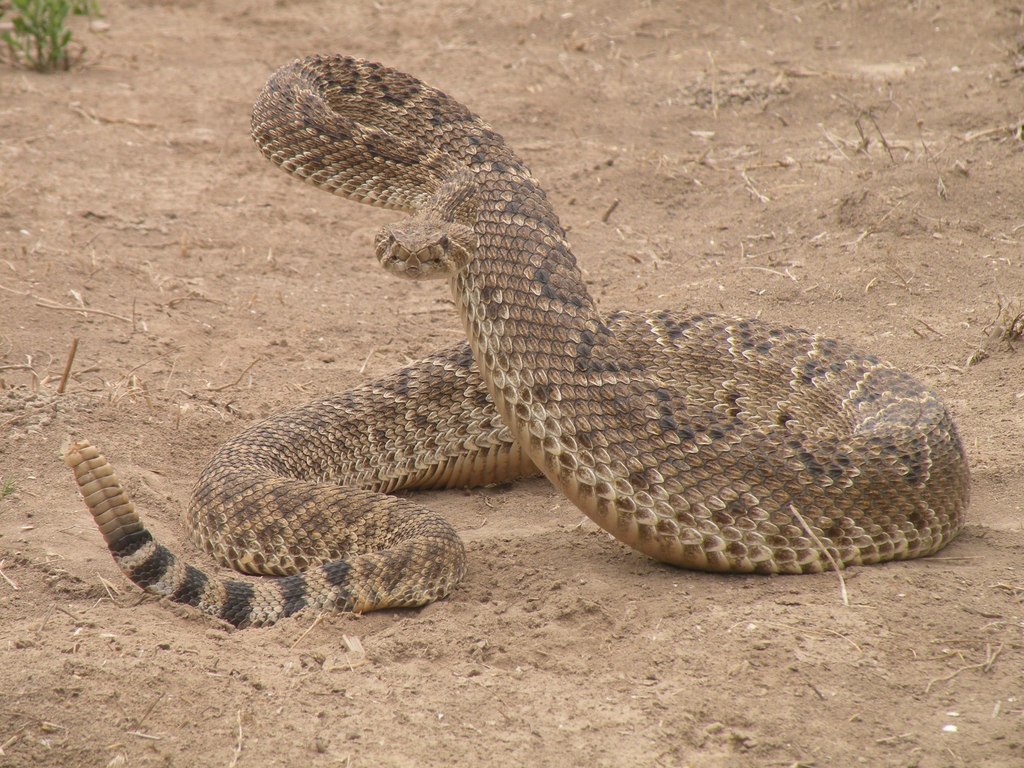
Reptiles & amphibians
Western Diamond-backed Rattlesnake
iNaturalist regional observationsPlants
Texas Hedgehog Cactus
iNaturalist regional observationsPlants
Tree Cholla
iNaturalist regional observationsPlants
Scarlet Hedgehog Cactus
iNaturalist regional observationsPlants
Agarita
iNaturalist regional observationsMammals & bears
Mule Deer
iNaturalist regional observationsMammals & bears
Collared Peccary
iNaturalist regional observationsMammals & bears
Pronghorn
iNaturalist regional observationsBirds
Canyon Towhee
iNaturalist regional observationsBirds
Acorn Woodpecker
iNaturalist regional observationsBirds
Woodhouse's Scrub-jay
iNaturalist regional observationsReptiles & amphibians
Gopher Snake
iNaturalist regional observationsReptiles & amphibians
Western Diamond-backed Rattlesnake
iNaturalist regional observationsiNaturalist regional observations · 728 obs
Gopher Snake
iNaturalist regional observations · 665 obs
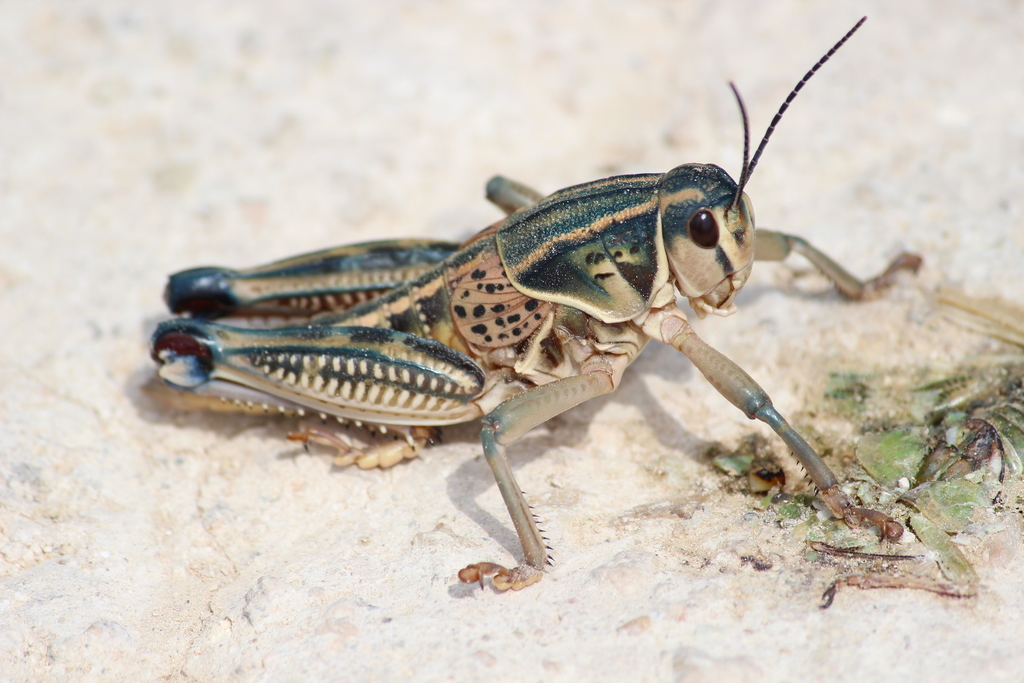
Plains Lubber Grasshopper
iNaturalist regional observations · 559 obs
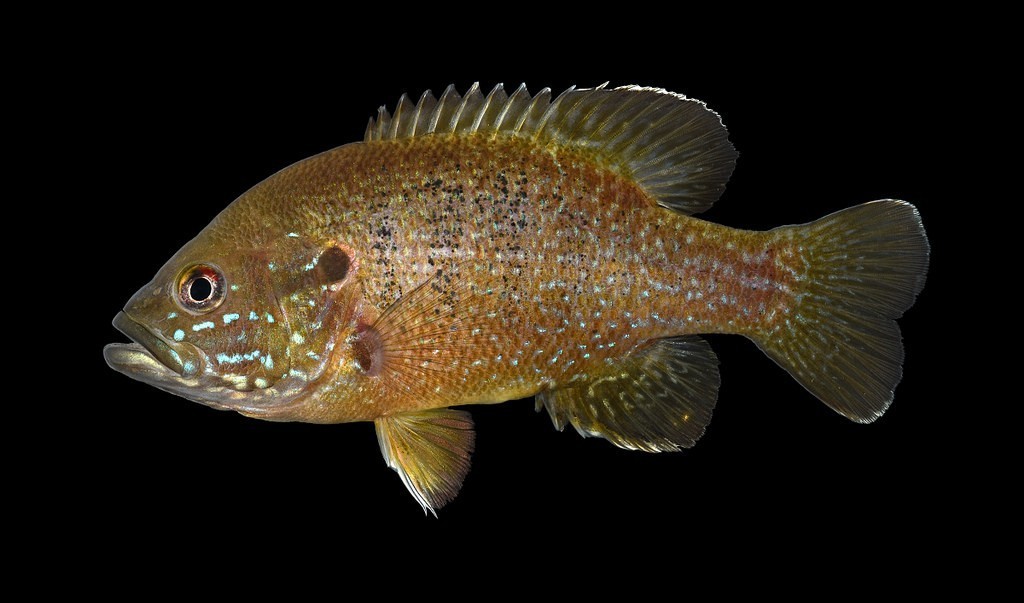
Green Sunfish
iNaturalist regional observations · 10 obs
379 obs in the regional sample
Desert mammals shift to crepuscular timing — kit fox, ringtail, and pack rat work the cool hours only.
iNaturalist regional observations · 1,481 total observations
Birds
wing
Canyon Towhee
Melozone fusca
iNaturalist regional observations728 obs in the regional sample
Acorn Woodpecker
Melanerpes formicivorus
iNaturalist regional observations682 obs in the regional sample
Woodhouse's Scrub-jay
Aphelocoma woodhouseii
iNaturalist regional observations625 obs in the regional sample
Nesting season — dawn chorus is dense, midday quiets down.
iNaturalist regional observations · 2,035 total observations
Reptiles & amphibians
rain skin
Gopher Snake
Pituophis catenifer
iNaturalist regional observations665 obs in the regional sample
Western Diamond-backed Rattlesnake
Crotalus atrox
iNaturalist regional observations622 obs in the regional sample
Crevice Spiny Lizard
Sceloporus poinsettii
iNaturalist regional observations588 obs in the regional sample
Greater earless lizard and Texas horned lizard hold the sun-warm rock; rattlesnakes shift to crepuscular hunting through the hot months.
iNaturalist regional observations · 1,875 total observations
Insects
small life
Plains Lubber Grasshopper
Brachystola magna
iNaturalist regional observations559 obs in the regional sample
Texas Brown Tarantula
Aphonopelma hentzi
iNaturalist regional observations353 obs in the regional sample
Reakirt's Blue
Echinargus isola
iNaturalist regional observations246 obs in the regional sample
Insect activity peaks; pollinator and predator traffic both high.
iNaturalist regional observations · 1,158 total observations
Fish
fin
Green Sunfish
Lepomis cyanellus
iNaturalist regional observations10 obs in the regional sample
Roundnose Minnow
Dionda episcopa
iNaturalist regional observations3 obs in the regional sample
Flame Gambusia
Gambusia pyrros
iNaturalist regional observations2 obs in the regional sample
Warm-water species — catfish and bass — active near irrigation canals and reservoirs.
iNaturalist regional observations · 15 total observations
Plants
leaf
Texas Hedgehog Cactus
Echinocereus chloranthus
iNaturalist regional observations947 obs in the regional sample
Tree Cholla
Cylindropuntia imbricata
iNaturalist regional observations800 obs in the regional sample
Scarlet Hedgehog Cactus
Echinocereus coccineus
iNaturalist regional observations594 obs in the regional sample
Sotol, lechuguilla, and creosote hold the Chihuahuan structure; cottonwood and willow mark every spring and arroyo.
iNaturalist regional observations · 2,797 total observations