Do first
Weatherfeather
Opening the weather.
Gathering the sky, the forecast, and the life nearby into one field note.
air
light
life
Weatherfeather
Gathering the sky, the forecast, and the life nearby into one field note.
Dense Fog Advisory issued June 10 at 1:07AM CDT until June 10 at 7:00AM CDT by NWS Milwaukee/Sullivan WI
Sheboygan; Washington; Ozaukee; Waukesha; Milwaukee; Racine; Kenosha
Great Lakes shore · Wisconsin
Weather field guide
Night weather settling over the freshwater shore.
The visual day has gone quiet; temperature, wind, insects, and edge movement become the living signals.
3a is the cleanest weather window. Thunderstorm signal near 12p; keep alerts visible and plans flexible. Watch temperature, insects, and edge movement more than color or distant views.
Best outside
3a
68° with 2% rain risk
Weather risk
Storm timing
Thunderstorm signal near 12p; keep alerts visible and plans flexible.
Nature cue
After-dark signal
Watch temperature, insects, and edge movement more than color or distant views.
Do first
Ten small weather plates: rain signal, sky language, and the temperature span the landscape will move through.
Today
Jun 10
Thunderstorm
Night weather settling over the freshwater shore.
the freshwater shore quiets visually while mammals, insects, wind, and temperature become the living signals.
7a–9a
Comfortable 65°, dry.
Backup plan
6a–7a
Comfortable 63°, soft fog light.
Watch out
8a–10a
Comfortable 69°, dry. Watch visibility 1.2 mi.
A practical field note read through lake wind, freshwater edge, and the next useful window outside.
Move outside plans toward 3a.
68° with 2% rain risk. Avoid 3p if you need the lowest friction; rain should stay manageable, and expect a 30° swing.
The day as movement: a calmer read of when to step outside, when to wait, and when weather asks for caution.
Do first
Walking
7a–9a
Comfortable 65°, dry.
Backup plan
Photography
6a–7a
Comfortable 63°, soft fog light.
Watch out
Driving
8a–10a
Comfortable 69°, dry. Watch visibility 1.2 mi.
Best opening
6a–7a
Comfortable 63°, soft fog light. Light is the subject. Watch visibility 1.2 mi.
Rhythm line
Weather read
63°
1 mph wind · 54% rain
Road watch
visibility 1.2 mi
Driving
Motif
freshwater edge
low light
Walking
7a–9a
Comfortable 65°, dry
On the water
8a–11a
Dry, still air
Yard work
8a–11a
Comfortable 69°, dry
Walking
Easy outdoor pace.
7a–9aComfortable 65°, dry
Running
Steady aerobic effort.
7a–8aDry, right time of day
Photography
Light is the subject.
Thu
Jun 11
Showers
Fri
Jun 12
Overcast
Sat
Jun 13
Light drizzle
Sun
Jun 14
Overcast
Mon
Jun 15
Light drizzle
Tue
Jun 16
Overcast
Wed
Jun 17
Light drizzle
Thu
Jun 18
Overcast
Fri
Jun 19
Overcast
6a–7aComfortable 63°, soft fog light
Yard work
Long exposure, full sun.
8a–11aComfortable 69°, dry
Driving
Roads readable, sky clear.
8a–10aComfortable 69°, dry · Watch visibility 1.2 mi
On the water
Coast, tide, open horizon.
8a–11aDry, still air
Great Lakes shore
After dark, the weather matters less like a forecast and more like a veil. Mammals and insects become the likely actors nearby.
Regional iNaturalist observations within roughly 50 km. Exact wildlife locations are intentionally not shown.
Plants
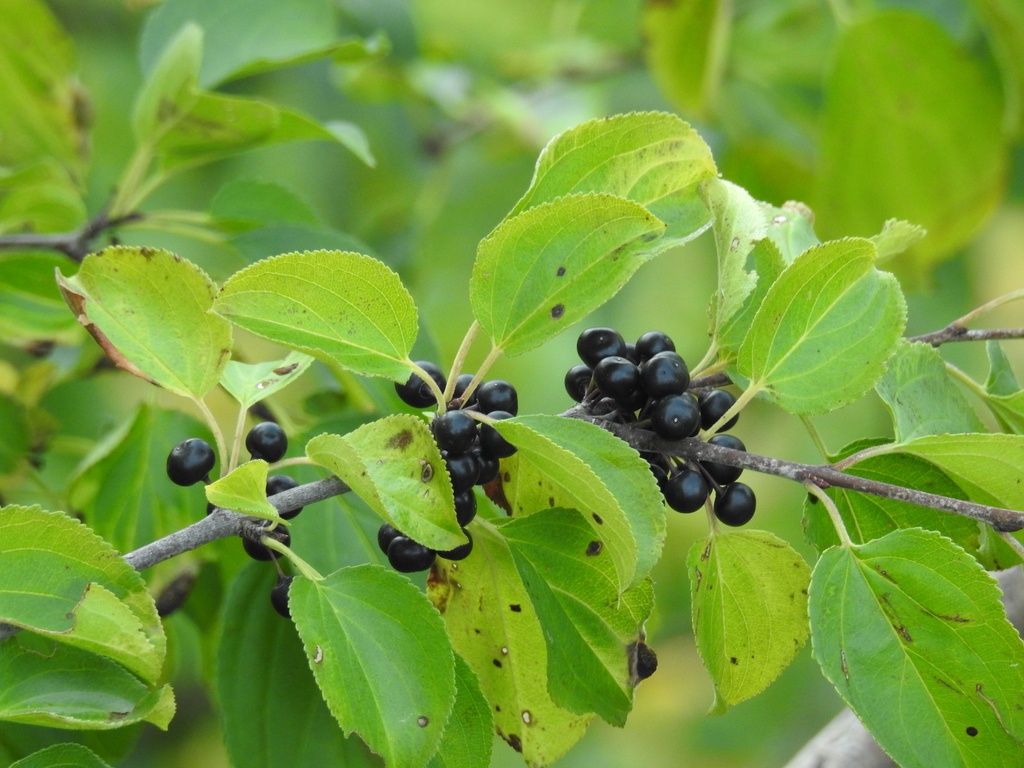
Common Buckthorn
iNaturalist regional observations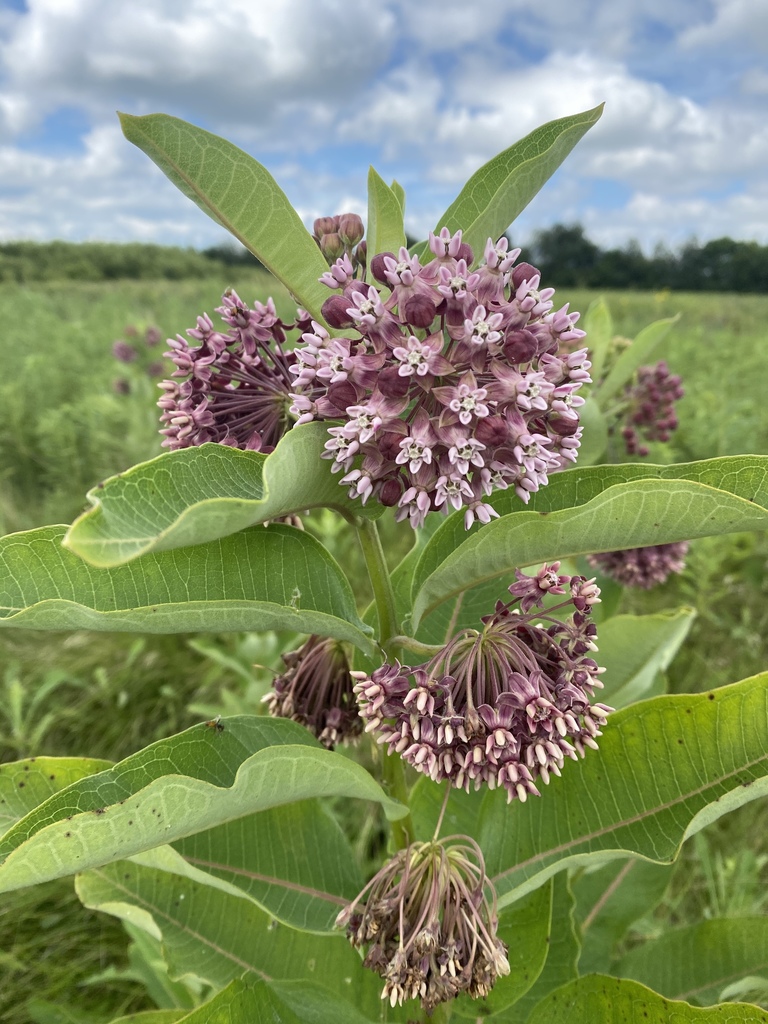
Plants
Common Milkweed
iNaturalist regional observations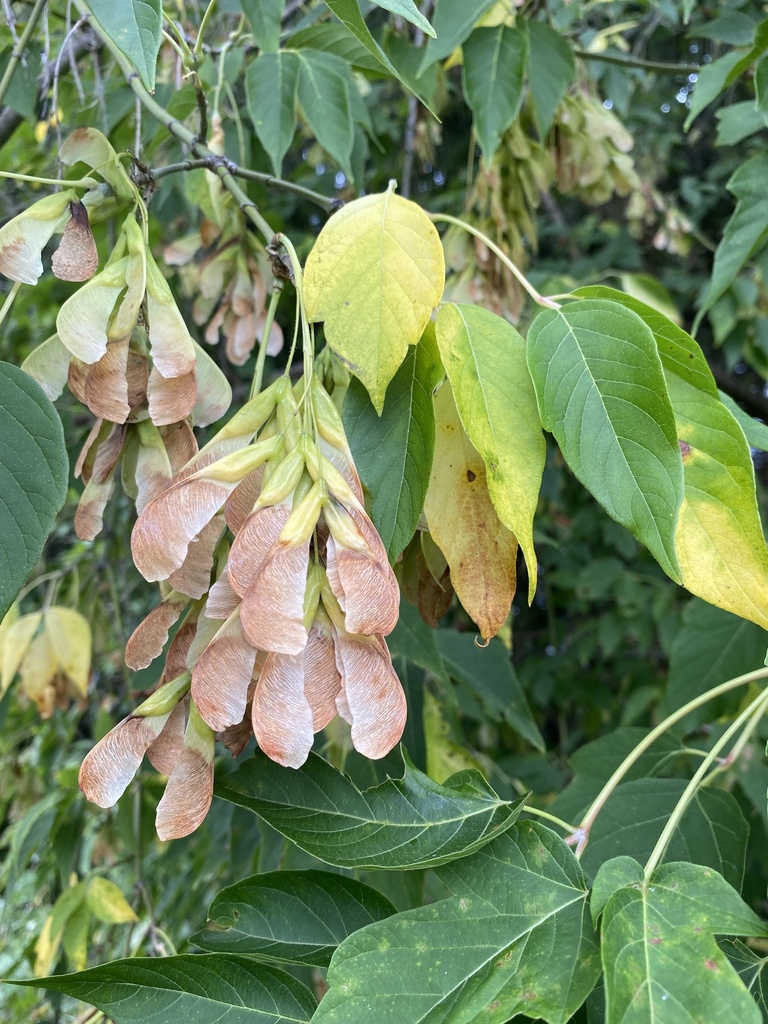
Plants
Box Elder
iNaturalist regional observations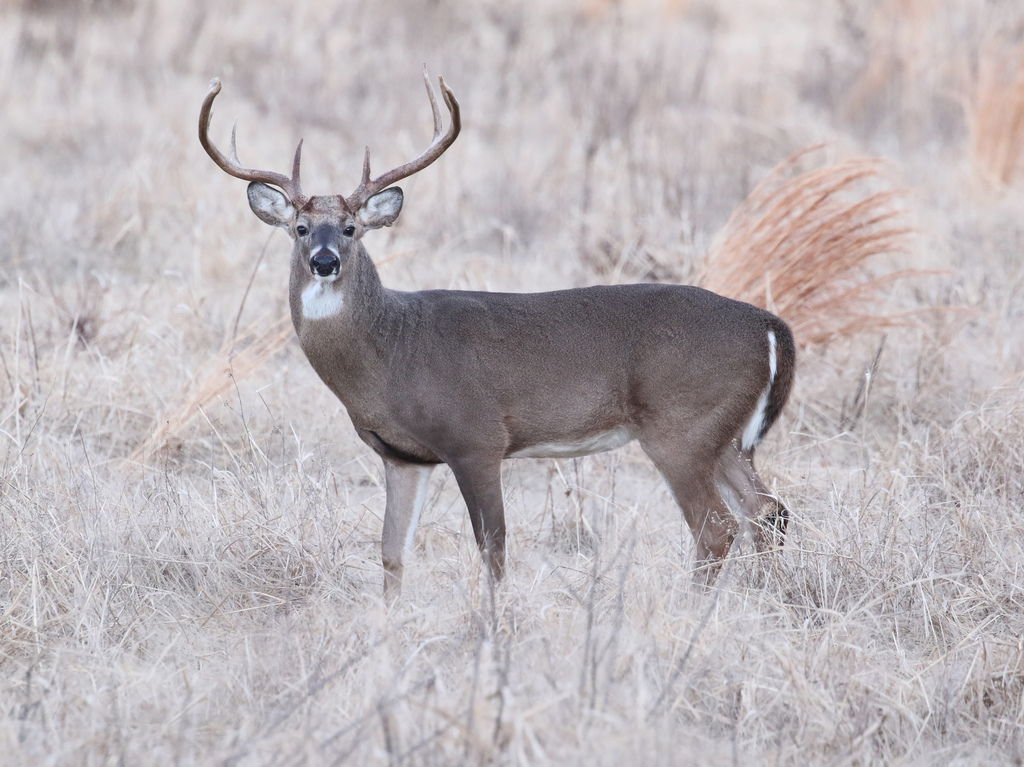
White-tailed Deer keeps its own schedule.
Mammals tend to shift around heat, rain, and human noise, turning dawn, dusk, shade, and cover into the real local calendar.
Regional iNaturalist observations within roughly 50 km; exact public wildlife locations are not shown. Field-note copy is curated from taxon group, current weather, and regional observation context.
Also nearby
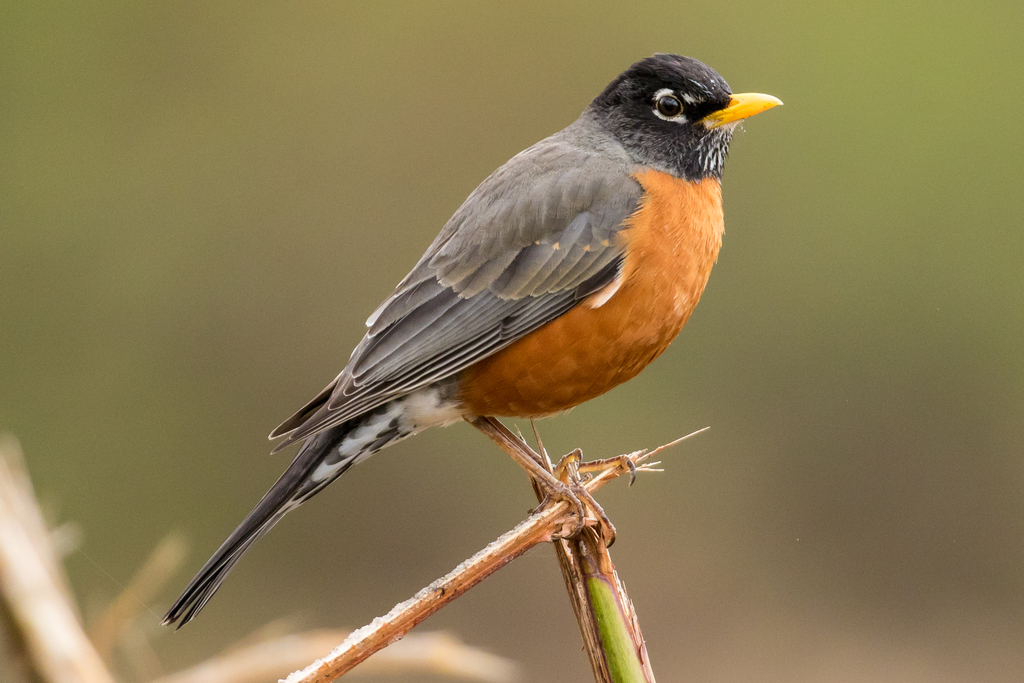
American Robin
Mammals & bears
fur + tracks
White-tailed Deer
Odocoileus virginianus
iNaturalist regional observations2,454 obs in the regional sample
Eastern Gray Squirrel
Sciurus carolinensis
iNaturalist regional observations2,055 obs in the regional sample
Coyote
Canis latrans
iNaturalist regional observations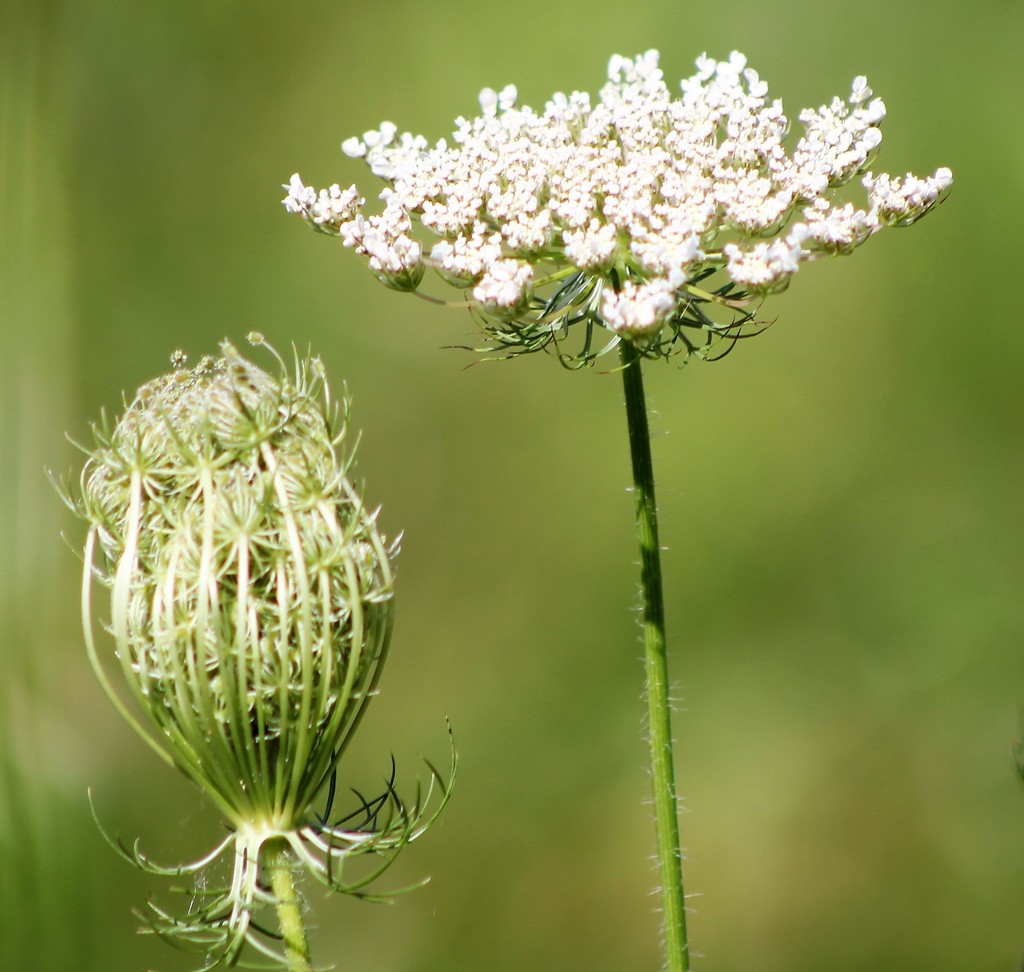
Plants
Wild Carrot
iNaturalist regional observationsMammals & bears
White-tailed Deer
iNaturalist regional observations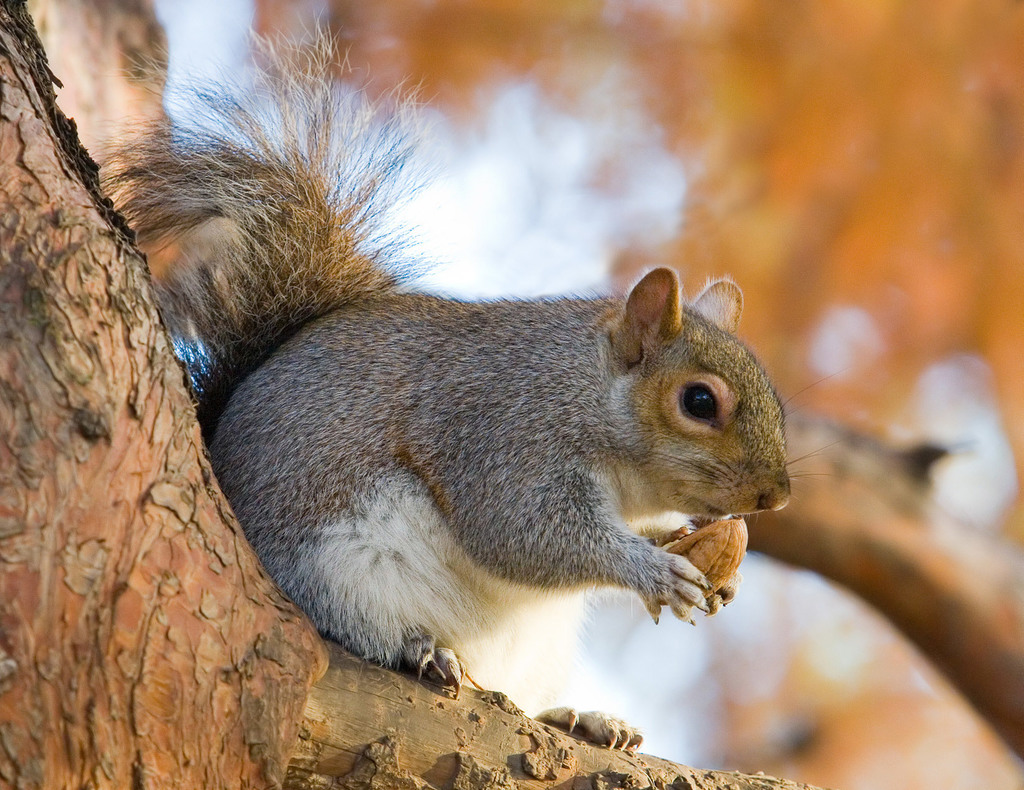
Mammals & bears
Eastern Gray Squirrel
iNaturalist regional observations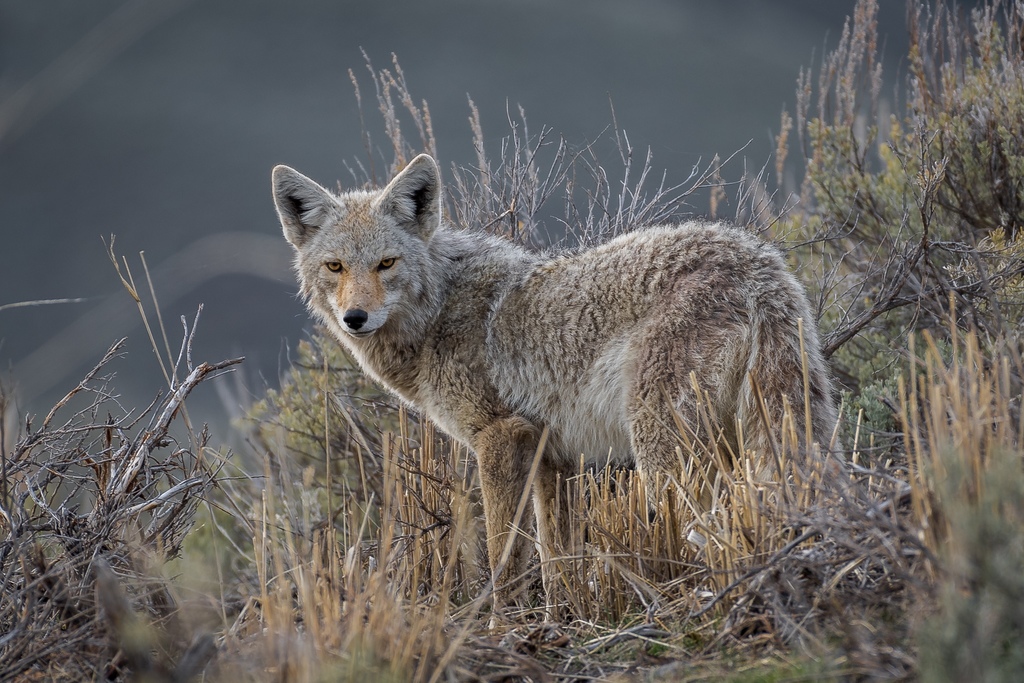
Mammals & bears
Coyote
iNaturalist regional observationsBirds
American Robin
iNaturalist regional observations
Birds
Mallard
iNaturalist regional observations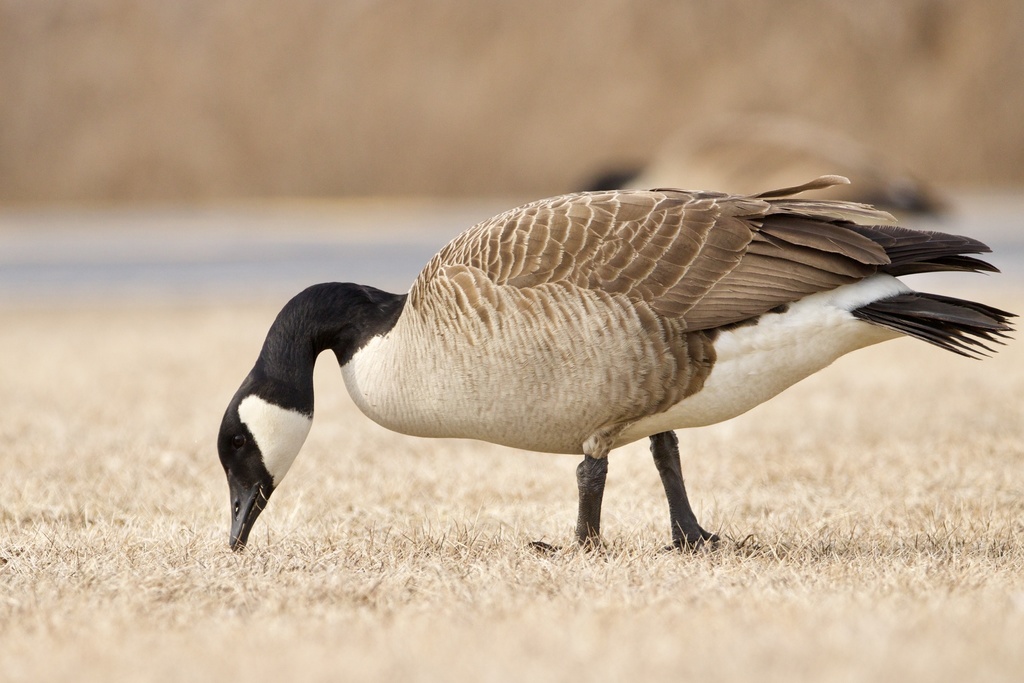
Birds
Canada Goose
iNaturalist regional observations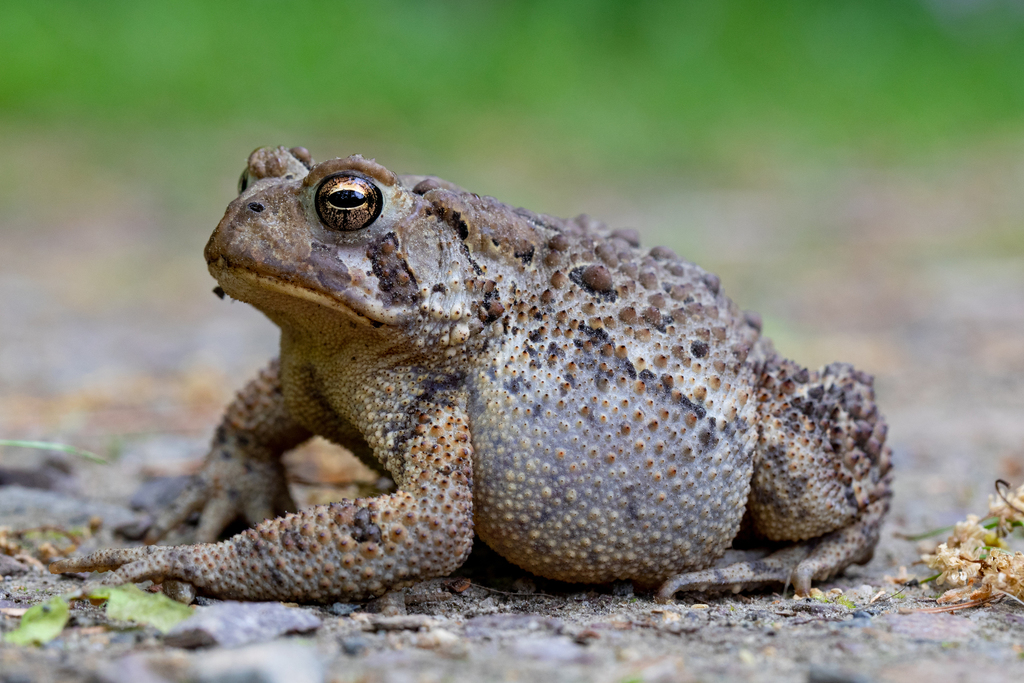
Reptiles & amphibians
American Toad
iNaturalist regional observations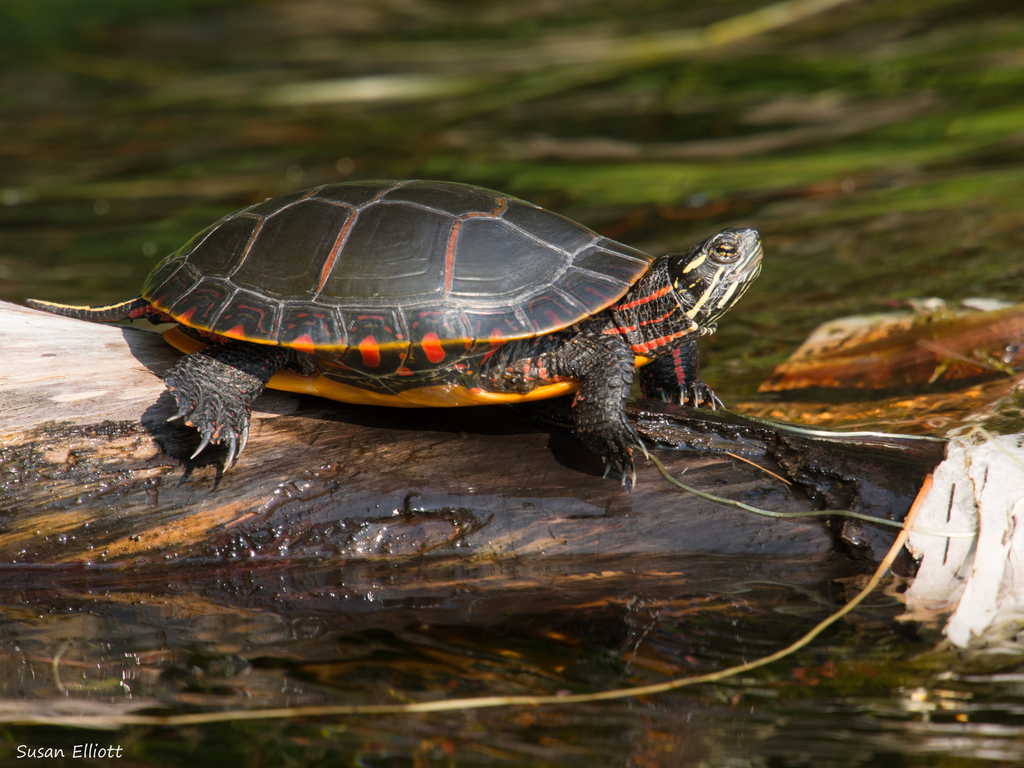
Reptiles & amphibians
Painted Turtle
iNaturalist regional observationsPlants
Common Buckthorn
iNaturalist regional observationsPlants
Common Milkweed
iNaturalist regional observationsPlants
Box Elder
iNaturalist regional observationsPlants
Wild Carrot
iNaturalist regional observationsMammals & bears
White-tailed Deer
iNaturalist regional observationsMammals & bears
Eastern Gray Squirrel
iNaturalist regional observationsMammals & bears
Coyote
iNaturalist regional observationsBirds
American Robin
iNaturalist regional observationsBirds
Mallard
iNaturalist regional observationsBirds
Canada Goose
iNaturalist regional observationsReptiles & amphibians
American Toad
iNaturalist regional observationsReptiles & amphibians
Painted Turtle
iNaturalist regional observationsiNaturalist regional observations · 2,038 obs
American Toad
iNaturalist regional observations · 1,003 obs
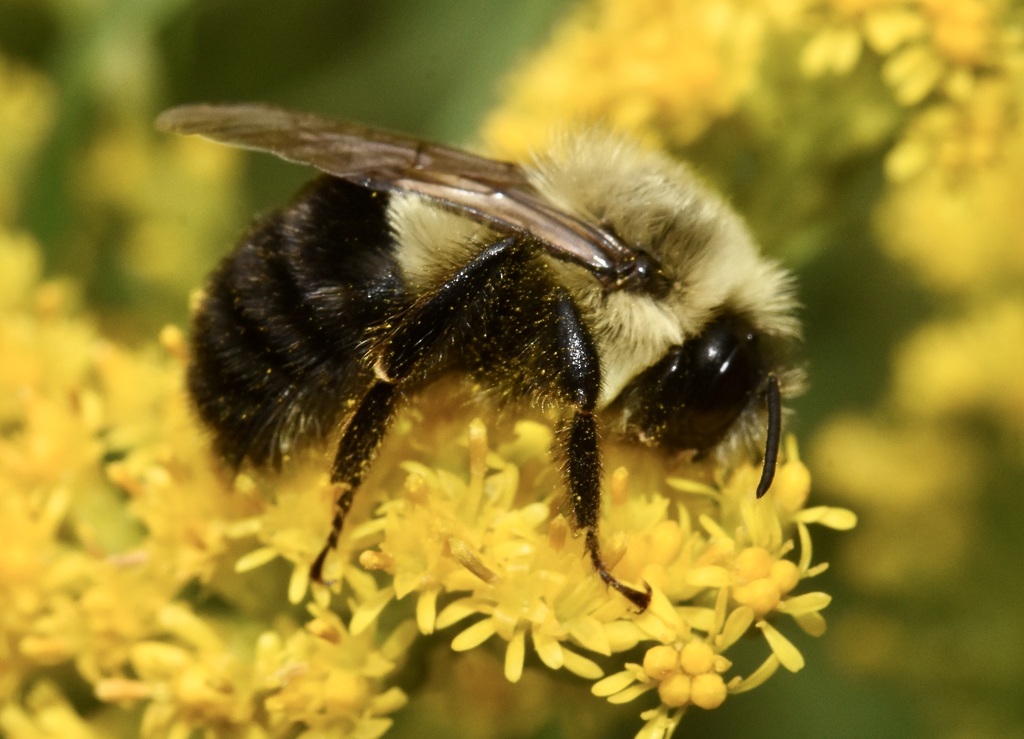
Common Eastern Bumble Bee
iNaturalist regional observations · 3,216 obs
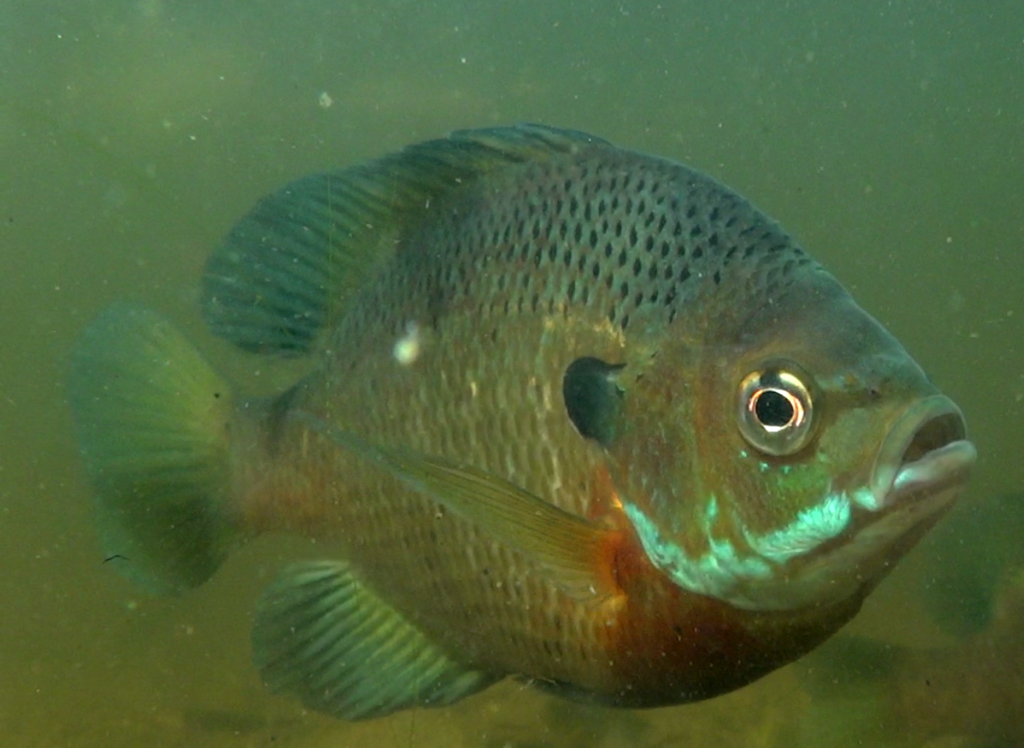
Bluegill
iNaturalist regional observations · 362 obs
1,866 obs in the regional sample
Dawn and dusk are the real activity windows — heat reshapes the day.
iNaturalist regional observations · 6,375 total observations
Birds
wing
American Robin
Turdus migratorius
iNaturalist regional observations2,038 obs in the regional sample
Mallard
Anas platyrhynchos
iNaturalist regional observations1,925 obs in the regional sample
Canada Goose
Branta canadensis
iNaturalist regional observations1,684 obs in the regional sample
Ring-billed gulls and common terns nest on protected islands; piping plovers hold the few remaining natural beaches.
iNaturalist regional observations · 5,647 total observations
Reptiles & amphibians
rain skin
American Toad
Anaxyrus americanus
iNaturalist regional observations1,003 obs in the regional sample
Painted Turtle
Chrysemys picta
iNaturalist regional observations861 obs in the regional sample
Green Frog
Lithobates clamitans
iNaturalist regional observations853 obs in the regional sample
Painted turtles bask on every downed log along inland marshes; chorus frogs call from temporary lakeshore pools.
iNaturalist regional observations · 2,717 total observations
Insects
small life
Common Eastern Bumble Bee
Bombus impatiens
iNaturalist regional observations3,216 obs in the regional sample
Monarch
Danaus plexippus
iNaturalist regional observations1,722 obs in the regional sample
Two-spotted Bumble Bee
Bombus bimaculatus
iNaturalist regional observations1,276 obs in the regional sample
Monarch butterflies stage along the lakeshore before crossing the lakes; common green darner dragonflies hunt the dune edges.
iNaturalist regional observations · 6,214 total observations
Fish
fin
Bluegill
Lepomis macrochirus
iNaturalist regional observations362 obs in the regional sample
Largemouth Bass
Micropterus nigricans
iNaturalist regional observations161 obs in the regional sample
Pumpkinseed
Lepomis gibbosus
iNaturalist regional observations125 obs in the regional sample
Smallmouth bass work the rocky shorelines; lake trout hold deep where the water stays cold.
iNaturalist regional observations · 648 total observations
Plants
leaf
Common Buckthorn
Rhamnus cathartica
iNaturalist regional observations1,844 obs in the regional sample
Common Milkweed
Asclepias syriaca
iNaturalist regional observations1,763 obs in the regional sample
Box Elder
Acer negundo
iNaturalist regional observations1,647 obs in the regional sample
Beach pea, sea rocket, and sand cherry hold the dune line; jack pine and red cedar break the wind on stable ground.
iNaturalist regional observations · 6,857 total observations
