Do first
Weatherfeather
Opening the weather.
Gathering the sky, the forecast, and the life nearby into one field note.
air
light
life
Weatherfeather
Gathering the sky, the forecast, and the life nearby into one field note.
Beach Hazards Statement issued June 10 at 1:32AM PDT until June 11 at 5:00PM PDT by NWS San Diego CA
San Diego County Coastal Areas; Orange County Coastal
coastal tide · California
Weather field guide
The coast after the light is gone.
The visual day has gone quiet; temperature, wind, insects, and edge movement become the living signals.
3p is the cleanest weather window. No single weather risk dominates the day. Watch temperature, insects, and edge movement more than color or distant views.
Best outside
3p
72° with 0% rain risk
Weather risk
Low friction
No single weather risk dominates the day.
Nature cue
After-dark signal
Watch temperature, insects, and edge movement more than color or distant views.
Do first
Ten small weather plates: rain signal, sky language, and the temperature span the landscape will move through.
Today
Jun 10
Mainly clear
The coast after the light is gone.
the coast in the night hours is about threshold moments — the last light, the first stars, and whatever moves between them.
9a–12p
Comfortable 70°, dry.
Backup plan
7a–9a
Comfortable 64°, dry.
Lowest-friction avoid
6a–7a
Comfortable 61°, dry.
A practical field note read through tide line, salt veil, and the next useful window outside.
Best window is 3p, with steady tradeoffs.
72° with 0% rain risk. Avoid 11p if you need the lowest friction; rain should stay manageable, and temperature stays relatively stable.
The day as movement: a calmer read of when to step outside, when to wait, and when weather asks for caution.
Do first
On the water
9a–12p
Comfortable 70°, dry.
Backup plan
Walking
7a–9a
Comfortable 64°, dry.
Lowest-friction avoid
Running
6a–7a
Comfortable 61°, dry.
Best opening
7a–9a
Comfortable 64°, dry. Easy outdoor pace. No major friction signal is leading the day.
Rhythm line
Weather read
63°
2 mph wind · 0% rain
Watch
Low friction
No major activity warning
Motif
salt veil
low light
On the water
9a–12p
Comfortable 70°, dry
Photography
6a–7a
Comfortable 61°, golden hour
Running
6a–7a
Comfortable 61°, dry
Walking
Easy outdoor pace.
7a–9aComfortable 64°, dry
Running
Steady aerobic effort.
6a–7aComfortable 61°, dry
Photography
Light is the subject.
Thu
Jun 11
Fog
Fri
Jun 12
Overcast
Sat
Jun 13
Clear
Sun
Jun 14
Clear
Mon
Jun 15
Overcast
Tue
Jun 16
Overcast
Wed
Jun 17
Overcast
Thu
Jun 18
Overcast
Fri
Jun 19
Clear
6a–7aComfortable 61°, golden hour
Yard work
Long exposure, full sun.
4p–7pComfortable 71°, dry
Driving
Roads readable, sky clear.
5p–7pComfortable 69°, dry
On the water
Coast, tide, open horizon.
9a–12pComfortable 70°, dry
coastal tide
After dark, the weather matters less like a forecast and more like a veil. Mammals and insects become the likely actors nearby.
Regional iNaturalist observations within roughly 50 km. Exact wildlife locations are intentionally not shown.

“Torrey Pines State Natural Reserve is a coastal state park in San Diego, California.”
Read on Wikipedia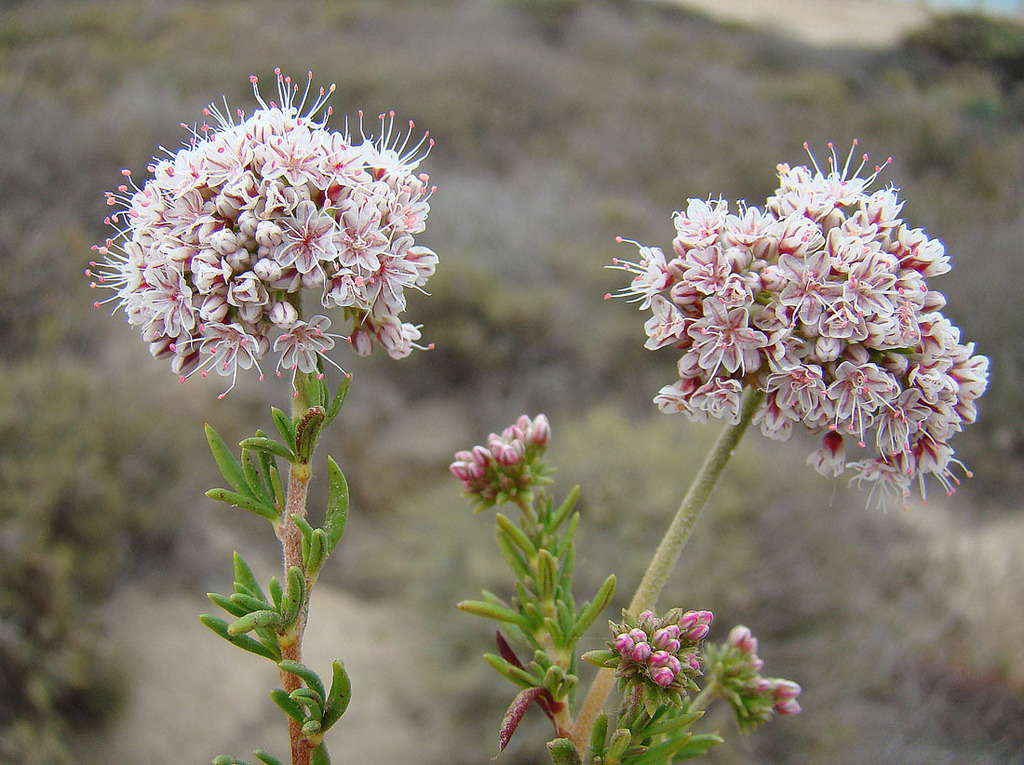
Plants
California Buckwheat
iNaturalist regional observations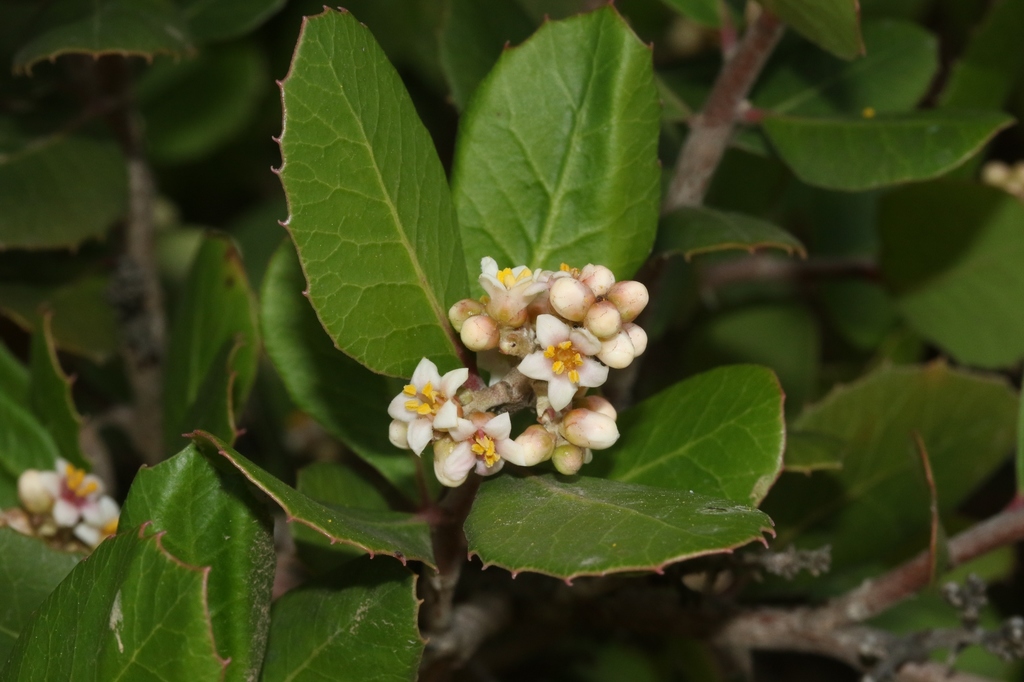
Plants
Lemonade Berry
iNaturalist regional observations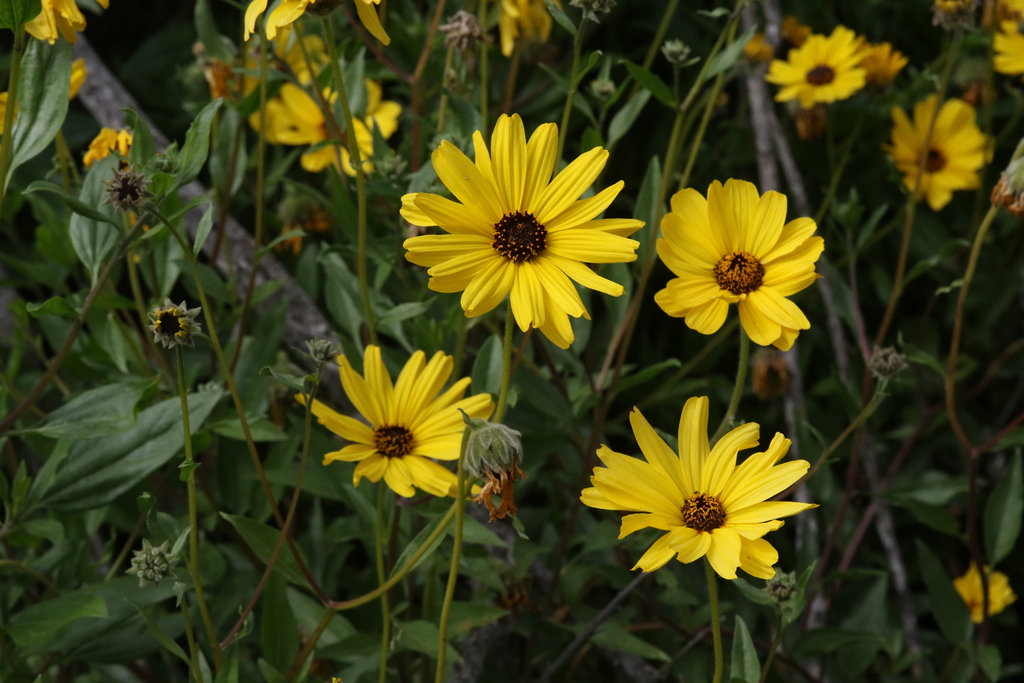
Plants
California Brittlebush
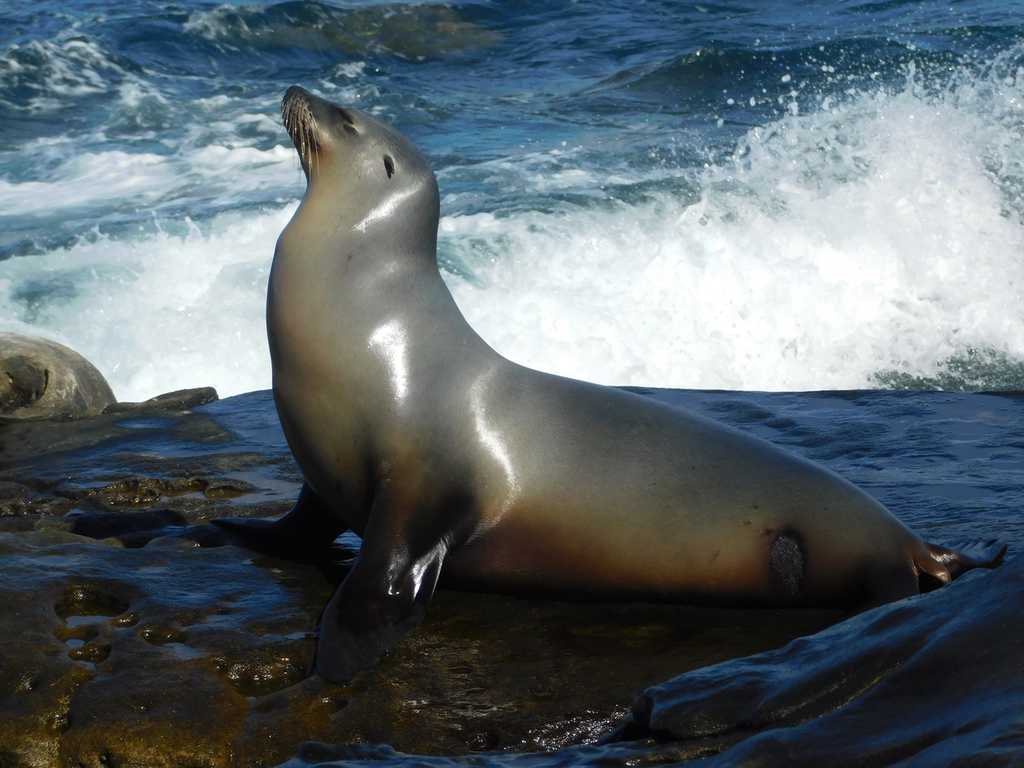
California Sea Lion keeps its own schedule.
Mammals tend to shift around heat, rain, and human noise, turning dawn, dusk, shade, and cover into the real local calendar.
Regional iNaturalist observations within roughly 50 km; exact public wildlife locations are not shown. Field-note copy is curated from taxon group, current weather, and regional observation context.
Also nearby

Western Gull
Mammals & bears
fur + tracks
California Sea Lion
Zalophus californianus
iNaturalist regional observations9,976 obs in the regional sample
California Ground Squirrel
Otospermophilus beecheyi
iNaturalist regional observations8,132 obs in the regional sample
Desert Cottontail
Sylvilagus audubonii
iNaturalist regional observations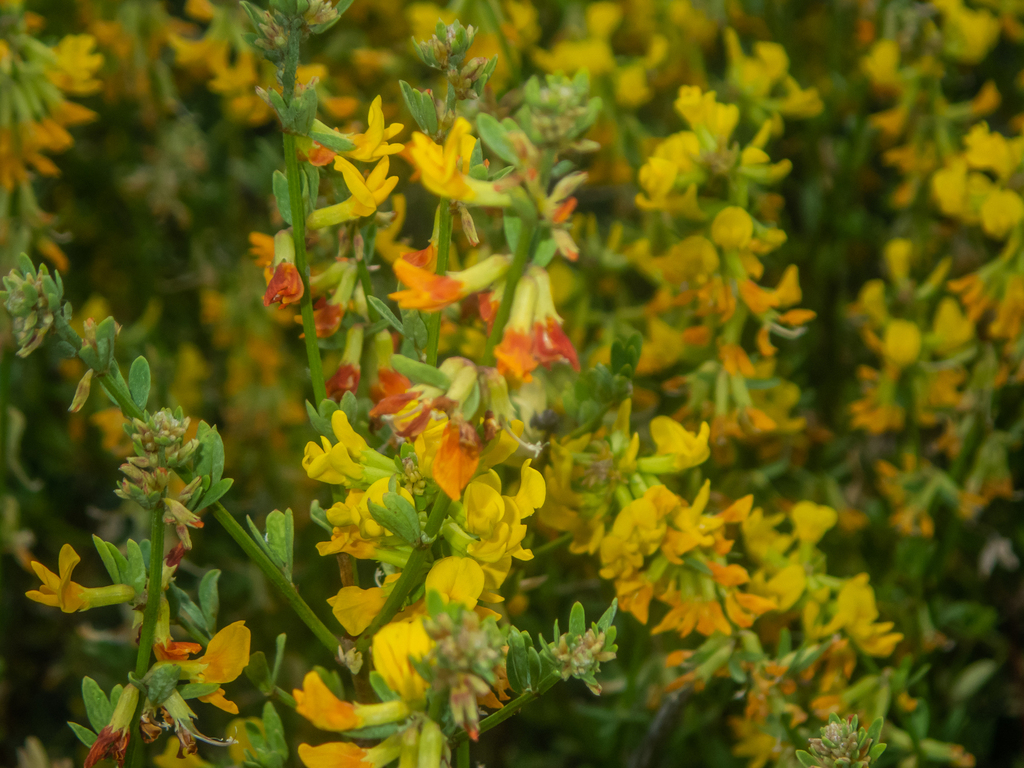
Plants
Deerweed
iNaturalist regional observationsMammals & bears
California Sea Lion
iNaturalist regional observations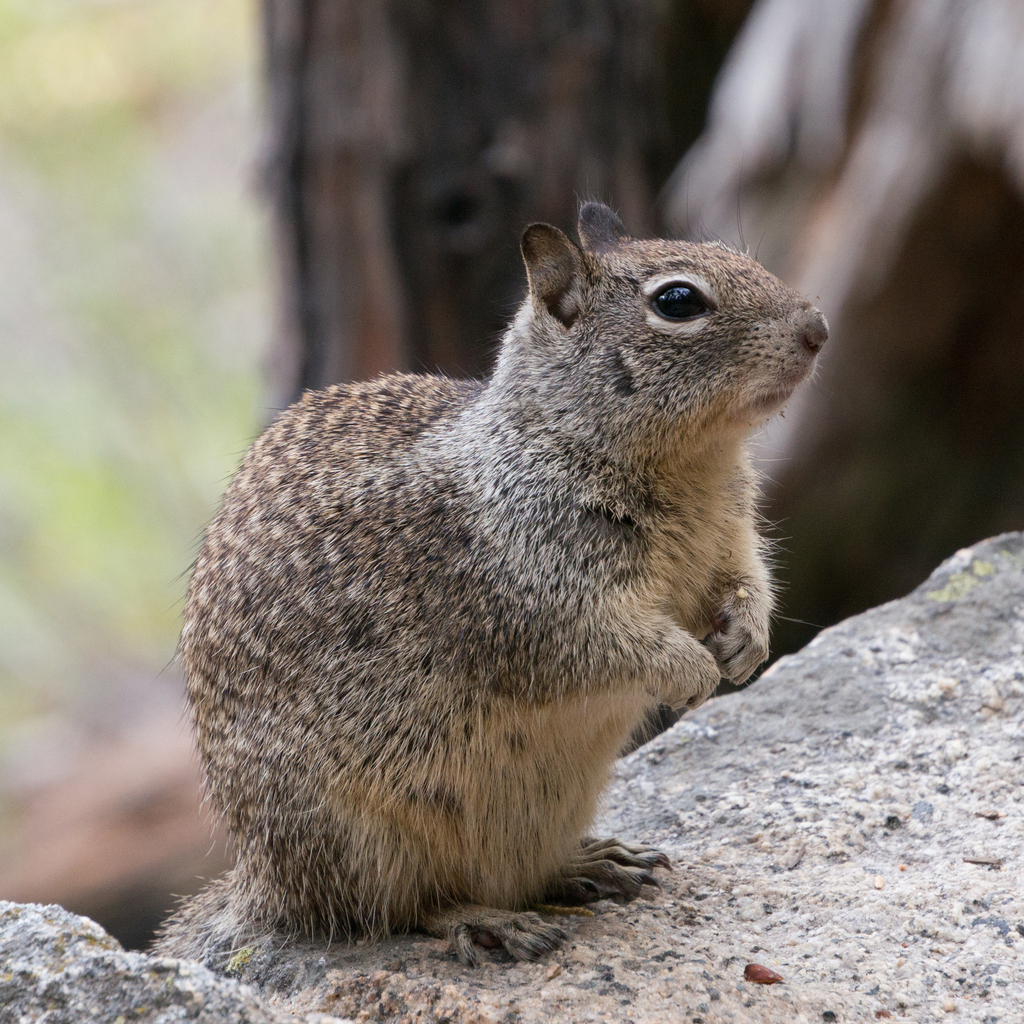
Mammals & bears
California Ground Squirrel
iNaturalist regional observations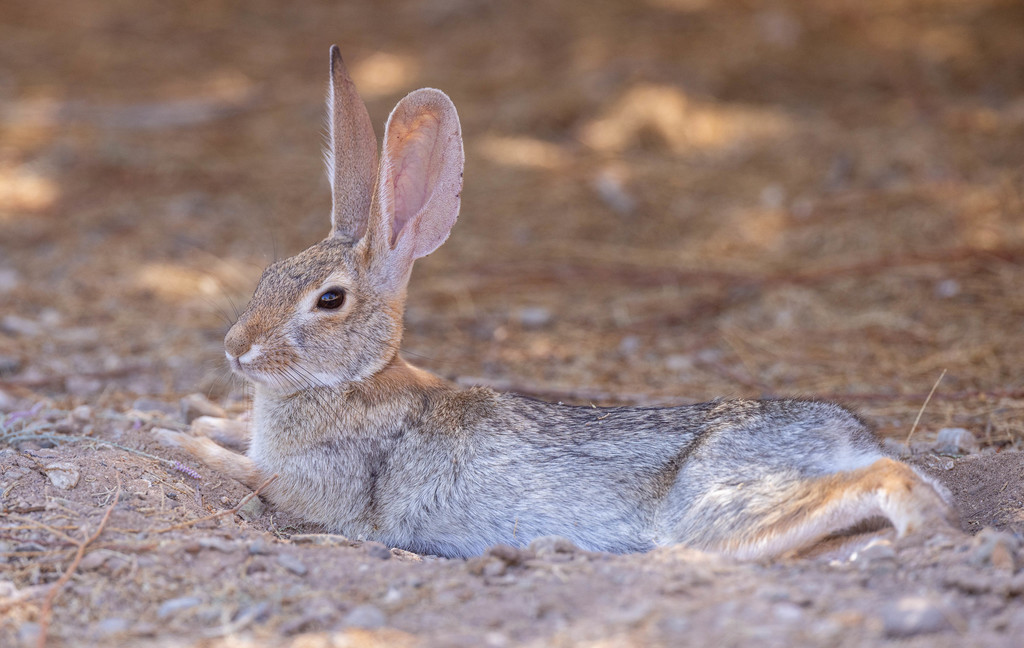
Mammals & bears
Desert Cottontail
iNaturalist regional observationsBirds
Western Gull
iNaturalist regional observations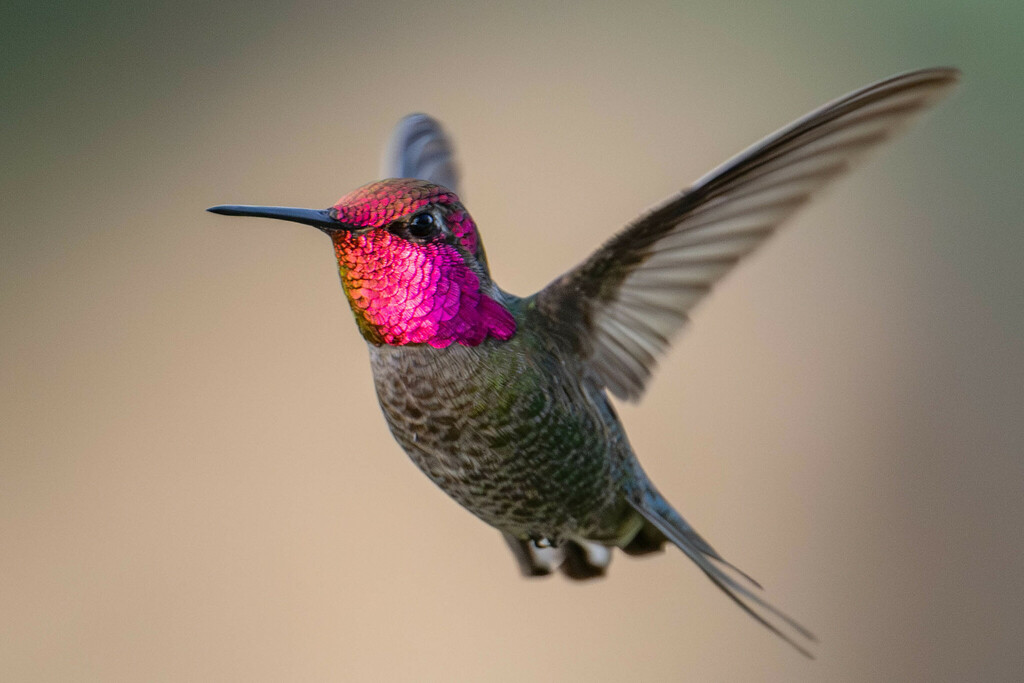
Birds
Anna's Hummingbird
iNaturalist regional observations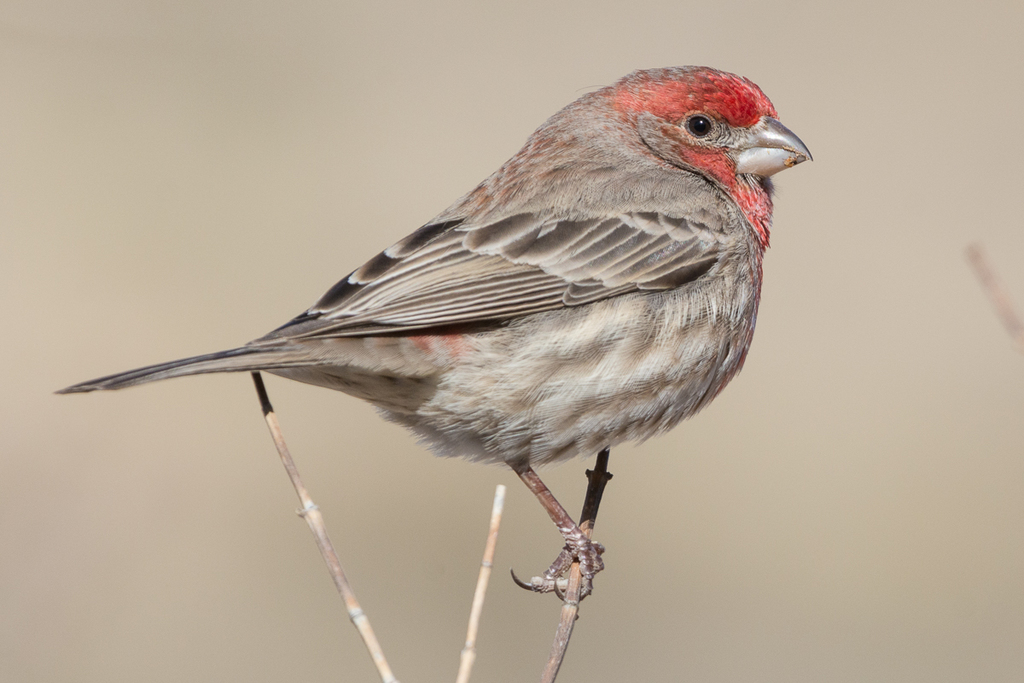
Birds
House Finch
iNaturalist regional observations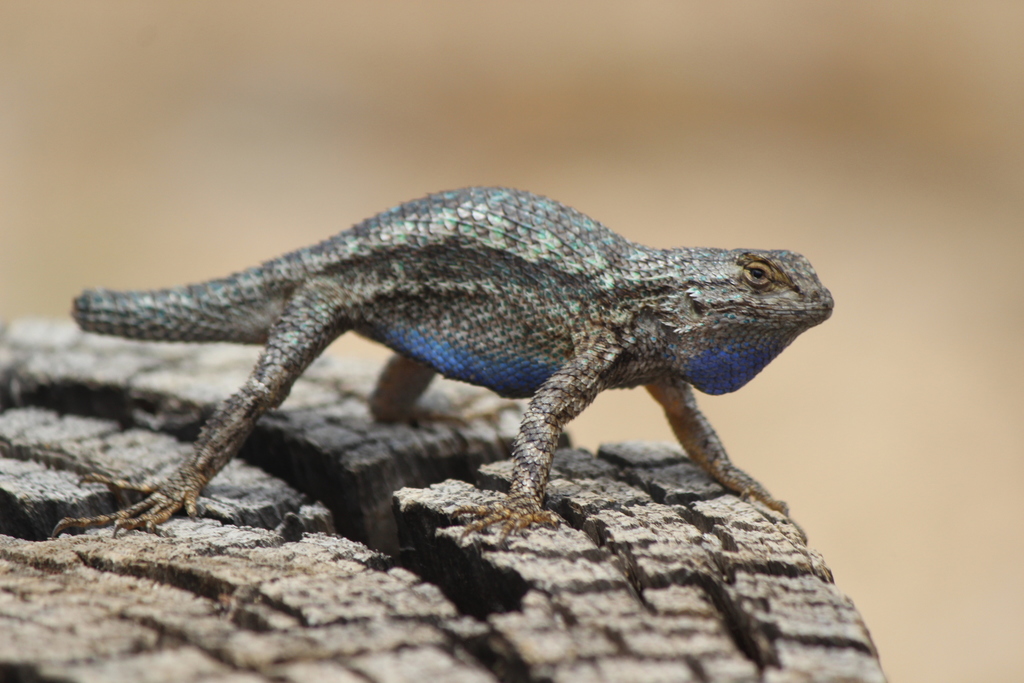
Reptiles & amphibians
Western Fence Lizard
iNaturalist regional observations
Reptiles & amphibians
Common Side-blotched Lizard
iNaturalist regional observationsPlants
California Buckwheat
iNaturalist regional observationsPlants
Lemonade Berry
iNaturalist regional observationsPlants
California Brittlebush
iNaturalist regional observationsPlants
Deerweed
iNaturalist regional observationsMammals & bears
California Sea Lion
iNaturalist regional observationsMammals & bears
California Ground Squirrel
iNaturalist regional observationsMammals & bears
Desert Cottontail
iNaturalist regional observationsBirds
Western Gull
iNaturalist regional observationsBirds
Anna's Hummingbird
iNaturalist regional observationsBirds
House Finch
iNaturalist regional observationsReptiles & amphibians
Western Fence Lizard
iNaturalist regional observationsReptiles & amphibians
Common Side-blotched Lizard
iNaturalist regional observationsiNaturalist regional observations · 14,872 obs
Western Fence Lizard
iNaturalist regional observations · 23,078 obs
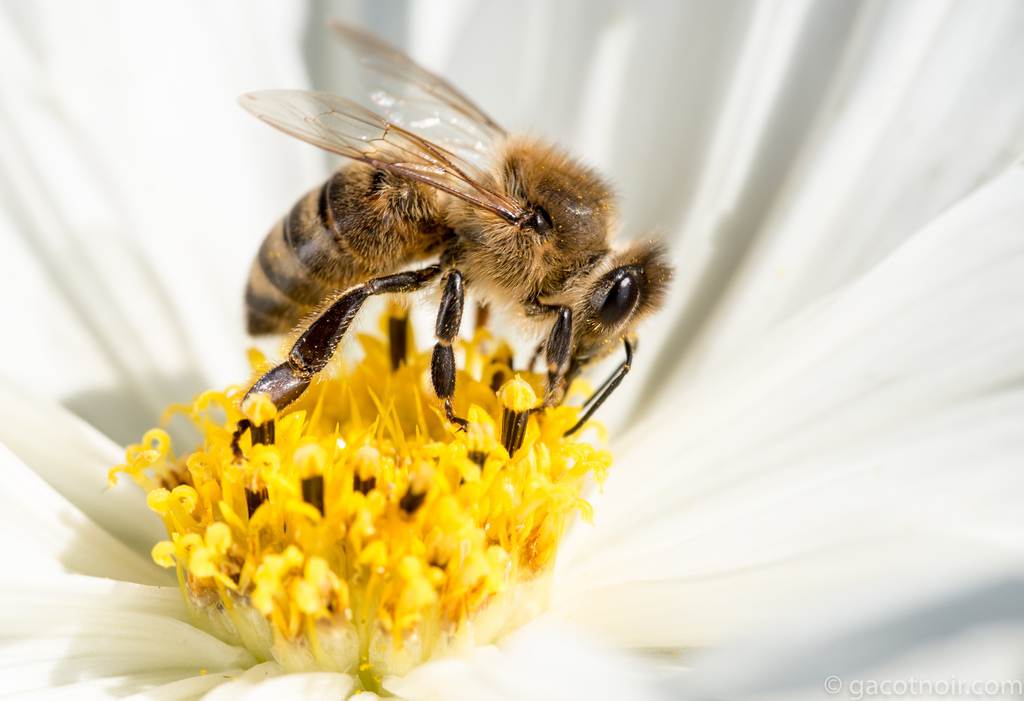
Western Honey Bee
iNaturalist regional observations · 12,028 obs
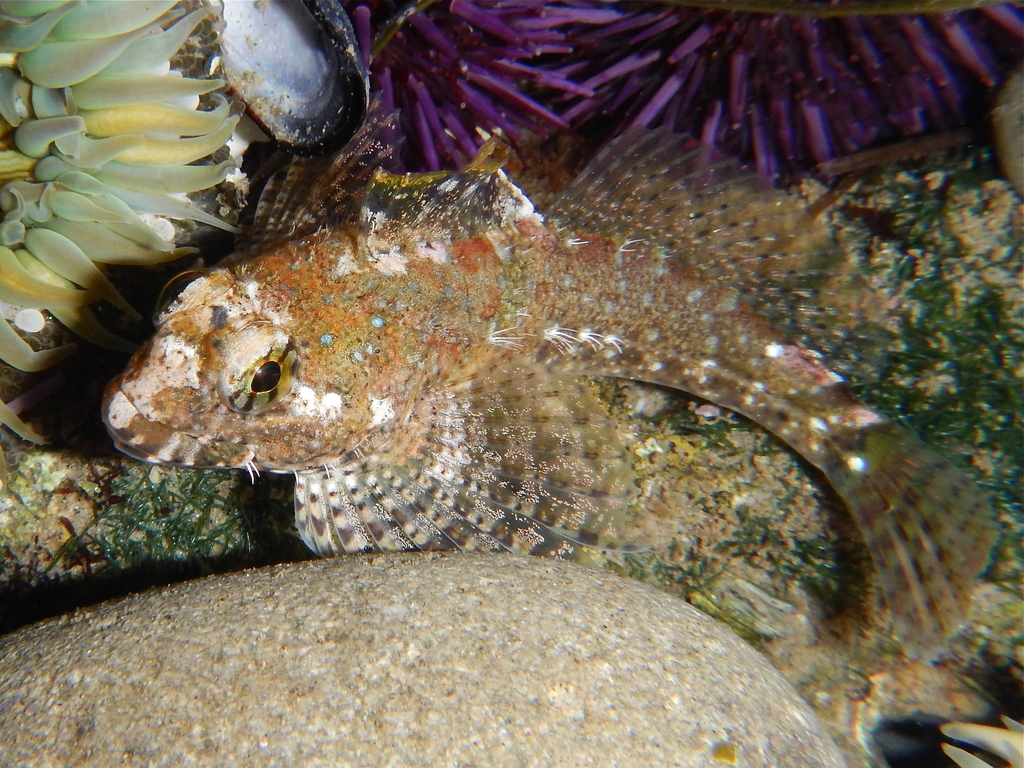
Woolly Sculpin
iNaturalist regional observations · 2,147 obs
6,815 obs in the regional sample
Dawn and dusk are the real activity windows — heat reshapes the day.
iNaturalist regional observations · 24,923 total observations
Birds
wing
Western Gull
Larus occidentalis
iNaturalist regional observations14,872 obs in the regional sample
Anna's Hummingbird
Calypte anna
iNaturalist regional observations12,223 obs in the regional sample
House Finch
Haemorhous mexicanus
iNaturalist regional observations11,908 obs in the regional sample
Nesting season — dawn chorus is dense, midday quiets down.
iNaturalist regional observations · 39,003 total observations
Reptiles & amphibians
rain skin
Western Fence Lizard
Sceloporus occidentalis
iNaturalist regional observations23,078 obs in the regional sample
Common Side-blotched Lizard
Uta stansburiana
iNaturalist regional observations5,640 obs in the regional sample
Southern Alligator Lizard
Elgaria multicarinata
iNaturalist regional observations4,911 obs in the regional sample
Warm-rain frog calls and edge-of-water reptile activity.
iNaturalist regional observations · 33,629 total observations
Insects
small life
Western Honey Bee
Apis mellifera
iNaturalist regional observations12,028 obs in the regional sample
Monarch
Danaus plexippus
iNaturalist regional observations7,660 obs in the regional sample
Yellow-faced Bumble Bee
Bombus vosnesenskii
iNaturalist regional observations6,349 obs in the regional sample
Insect activity peaks; pollinator and predator traffic both high.
iNaturalist regional observations · 26,037 total observations
Fish
fin
Woolly Sculpin
Clinocottus analis
iNaturalist regional observations2,147 obs in the regional sample
Garibaldi
Hypsypops rubicundus
iNaturalist regional observations1,683 obs in the regional sample
Opaleye
Girella nigricans
iNaturalist regional observations1,094 obs in the regional sample
Tidal species shift with salinity; flounder settle on grass flats, red drum cruise the edges.
iNaturalist regional observations · 4,924 total observations
Plants
leaf
California Buckwheat
Eriogonum fasciculatum
iNaturalist regional observations16,236 obs in the regional sample
Lemonade Berry
Rhus integrifolia
iNaturalist regional observations12,252 obs in the regional sample
California Brittlebush
Encelia californica
iNaturalist regional observations10,130 obs in the regional sample
Salt-tolerant grasses and dune plants hold the system together through every storm.
iNaturalist regional observations · 47,772 total observations