Do first
Basin walk
9a–11a
Weatherfeather
Gathering the sky, the forecast, and the life nearby into one field note.
desert basin · New Mexico
Weather field guide
The desert basin after the light is gone.
The visual day has gone quiet; temperature, wind, insects, and edge movement become the living signals.
The desert basin after the light is gone.
the desert basin in the night hours is about threshold moments — the last light, the first stars, and whatever moves between them.
9a is the cleanest weather window. No single weather risk dominates the day. Watch temperature, insects, and edge movement more than color or distant views.
Best outside
9a
72° with 0% rain risk
Weather risk
Low friction
No single weather risk dominates the day.
Nature cue
After-dark signal
Watch temperature, insects, and edge movement more than color or distant views.
Do first
9a–11a
Ten small weather plates: rain signal, sky language, and the temperature span the landscape will move through.
Today
Jun 10
Clear
Comfortable 72°, clear.
Backup plan
7a–9a
Comfortable 60°, dry.
Lowest-friction avoid
8a–11a
Comfortable 67°, dry.
A practical field note read through stone heat, open basin, and the next useful window outside.
Best window is 9a, with steady tradeoffs.
72° with 0% rain risk. Avoid 6a if you need the lowest friction; rain should stay manageable, and expect a 30° swing.
The day as movement: a calmer read of when to step outside, when to wait, and when weather asks for caution.
Do first
Basin walk
9a–11a
Comfortable 72°, clear.
Backup plan
Walking
7a–9a
Comfortable 60°, dry.
Lowest-friction avoid
Yard work
8a–11a
Comfortable 67°, dry.
Best opening
9a–11a
Comfortable 72°, clear. Open sky, dry stone. No major friction signal is leading the day.
Rhythm line
Weather read
62°
6 mph wind · 0% rain
Watch
Low friction
No major activity warning
Motif
open basin
low light
Walking
7a–9a
Comfortable 60°, dry
Photography
6a–7a
Comfortable 57°, golden hour
Running
6a–7a
Comfortable 57°, dry
Walking
Easy outdoor pace.
7a–9aComfortable 60°, dry
Running
Steady aerobic effort.
6a–7aComfortable 57°, dry
Photography
Light is the subject.
Thu
Jun 11
Clear
Fri
Jun 12
Overcast
Sat
Jun 13
Overcast
Sun
Jun 14
Light drizzle
Mon
Jun 15
Overcast
Tue
Jun 16
Overcast
Wed
Jun 17
Mainly clear
Thu
Jun 18
Mainly clear
Fri
Jun 19
Overcast
6a–7aComfortable 57°, golden hour
Yard work
Long exposure, full sun.
8a–11aComfortable 67°, dry
Driving
Roads readable, sky clear.
8a–10aComfortable 67°, dry
Basin walk
Open sky, dry stone.
9a–11aComfortable 72°, clear
desert basin
After dark, the weather matters less like a forecast and more like a veil. Mammals and insects become the likely actors nearby.
Regional iNaturalist observations within roughly 50 km. Exact wildlife locations are intentionally not shown.

“The Sangre de Cristo Mountains are the southernmost subrange of the Rocky Mountains.”
Read on Wikipedia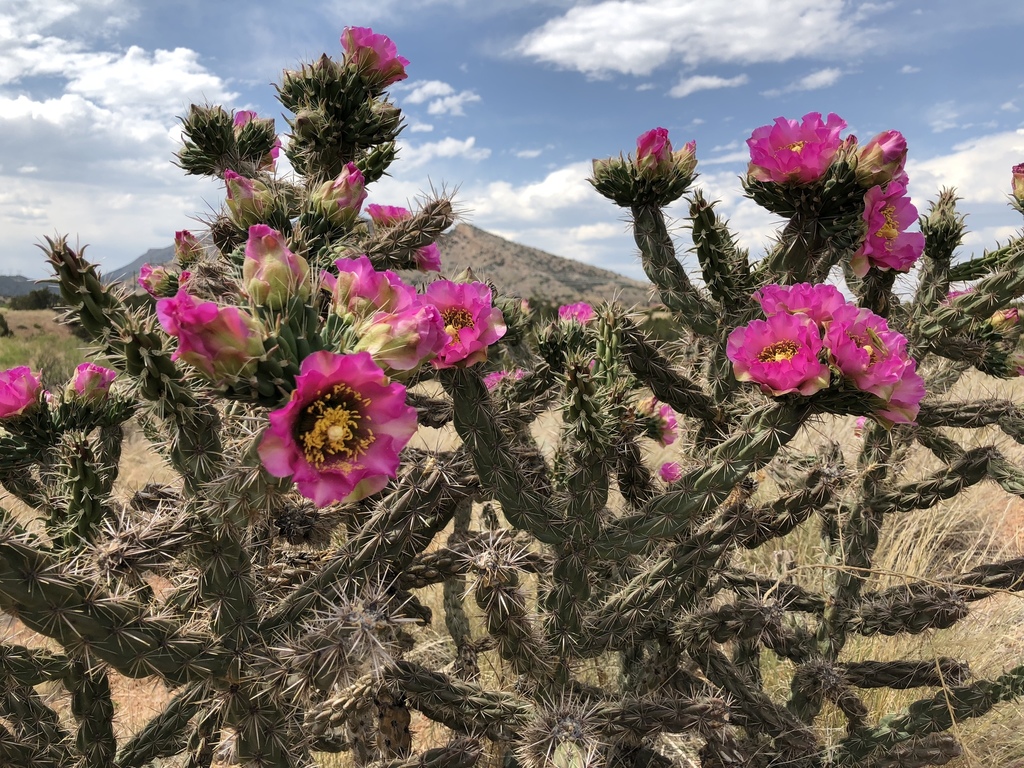
Plants
Tree Cholla
iNaturalist regional observations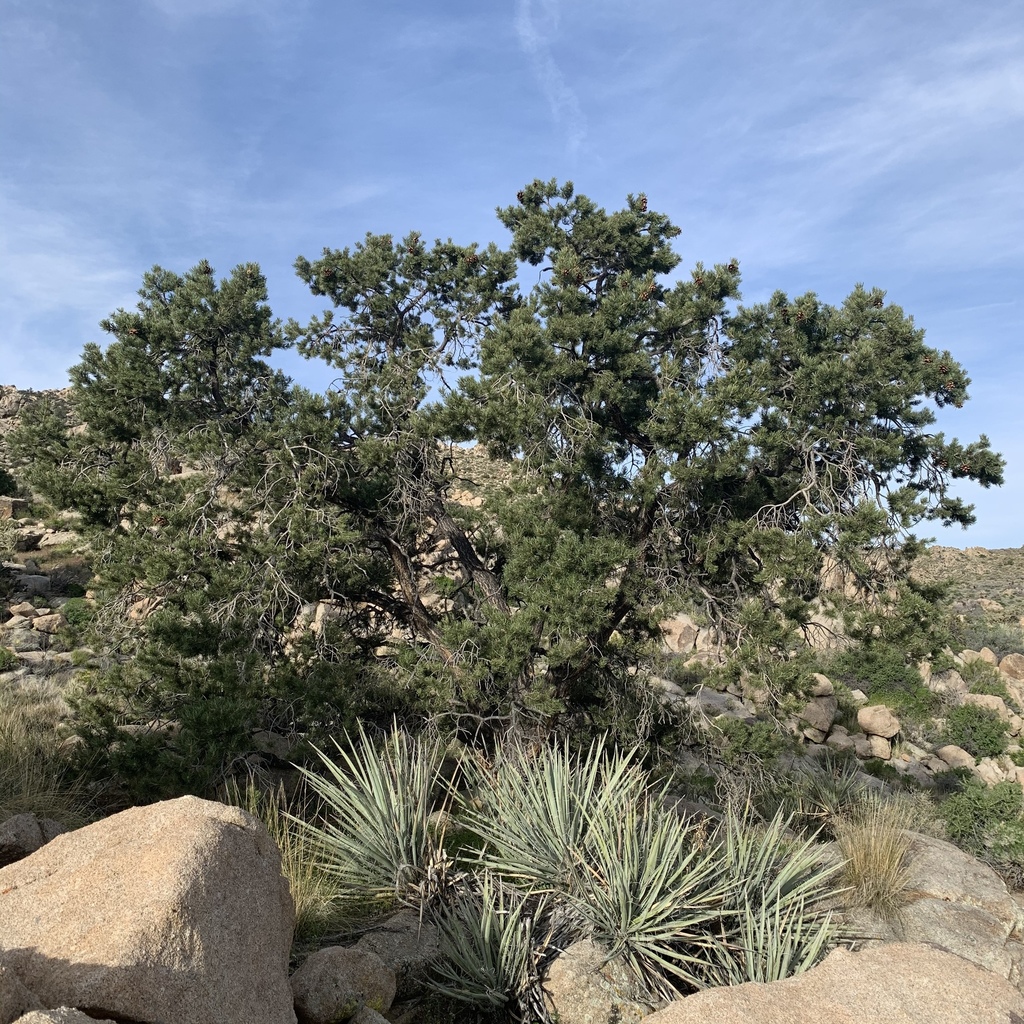
Plants
Colorado Pinyon
iNaturalist regional observations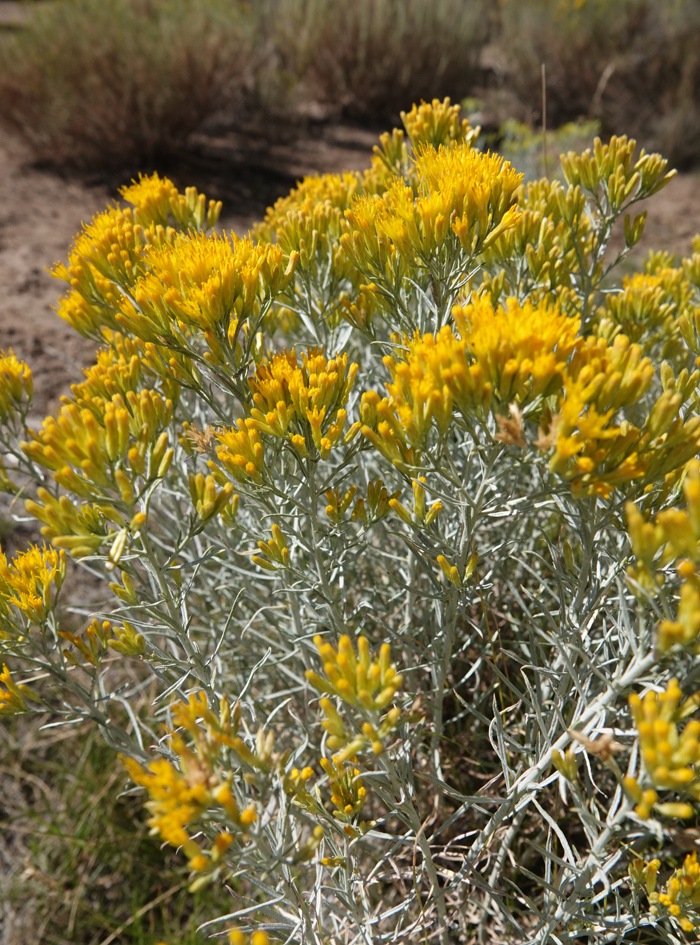
Plants
Rubber Rabbitbrush
iNaturalist regional observations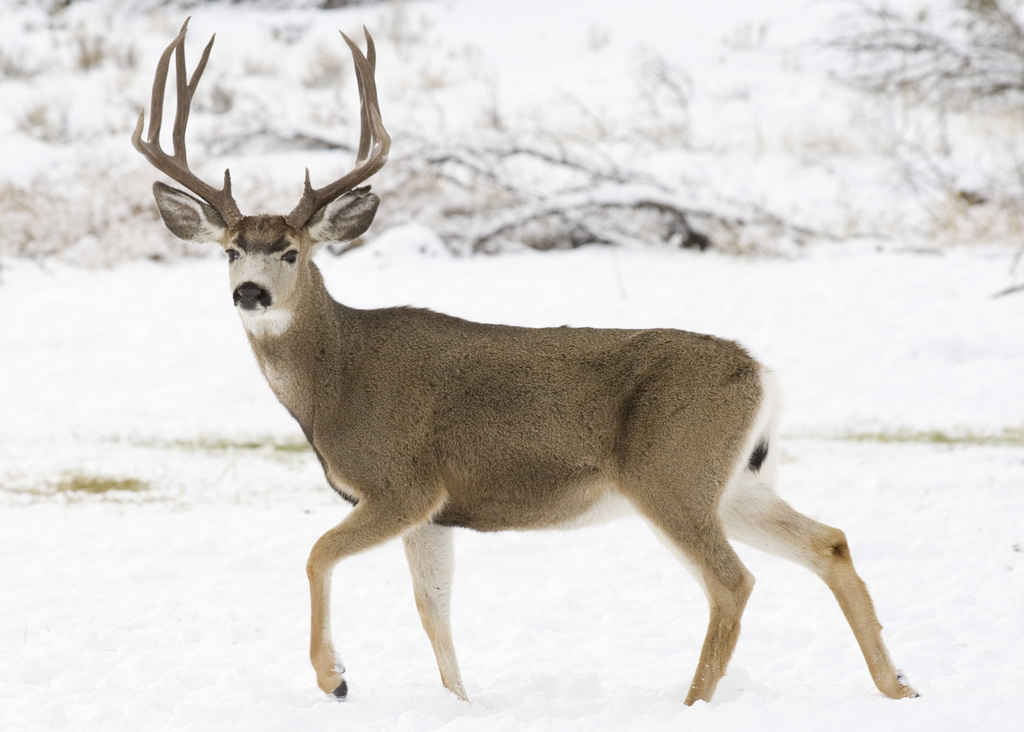
Mule Deer keeps its own schedule.
Mammals tend to shift around heat, rain, and human noise, turning dawn, dusk, shade, and cover into the real local calendar.
Regional iNaturalist observations within roughly 50 km; exact public wildlife locations are not shown. Field-note copy is curated from taxon group, current weather, and regional observation context.
Also nearby
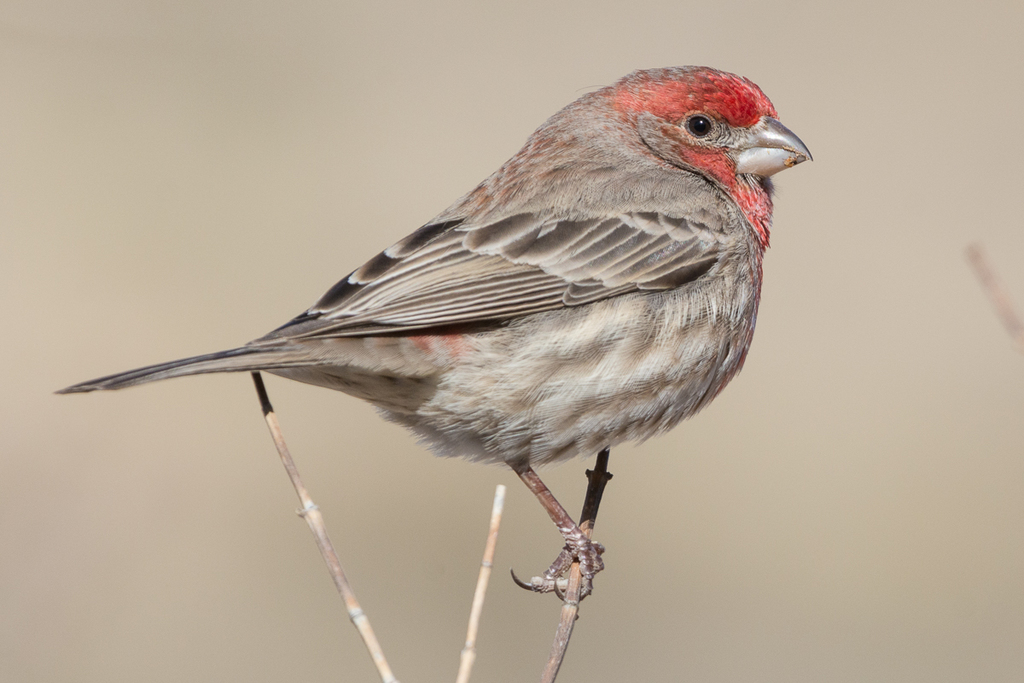
House Finch
Mammals & bears
fur + tracks
Mule Deer
Odocoileus hemionus
iNaturalist regional observations839 obs in the regional sample
Rock Squirrel
Otospermophilus variegatus
iNaturalist regional observations355 obs in the regional sample
Gunnison's Prairie Dog
Cynomys gunnisoni
iNaturalist regional observations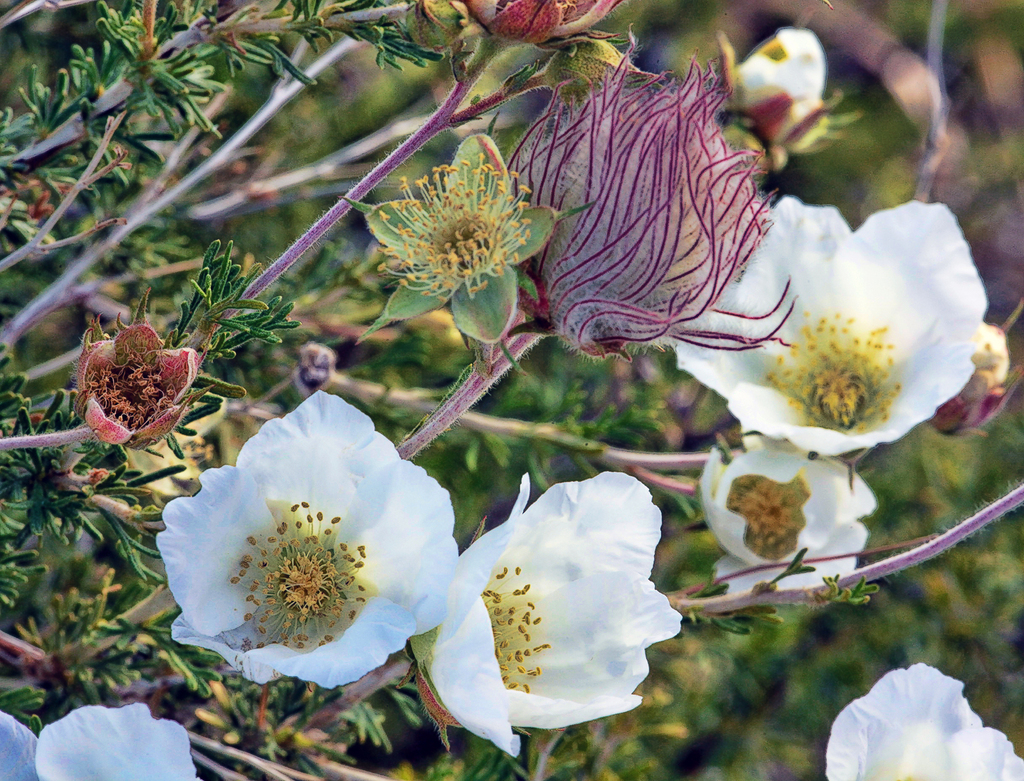
Plants
Apache Plume
iNaturalist regional observationsMammals & bears
Mule Deer
iNaturalist regional observations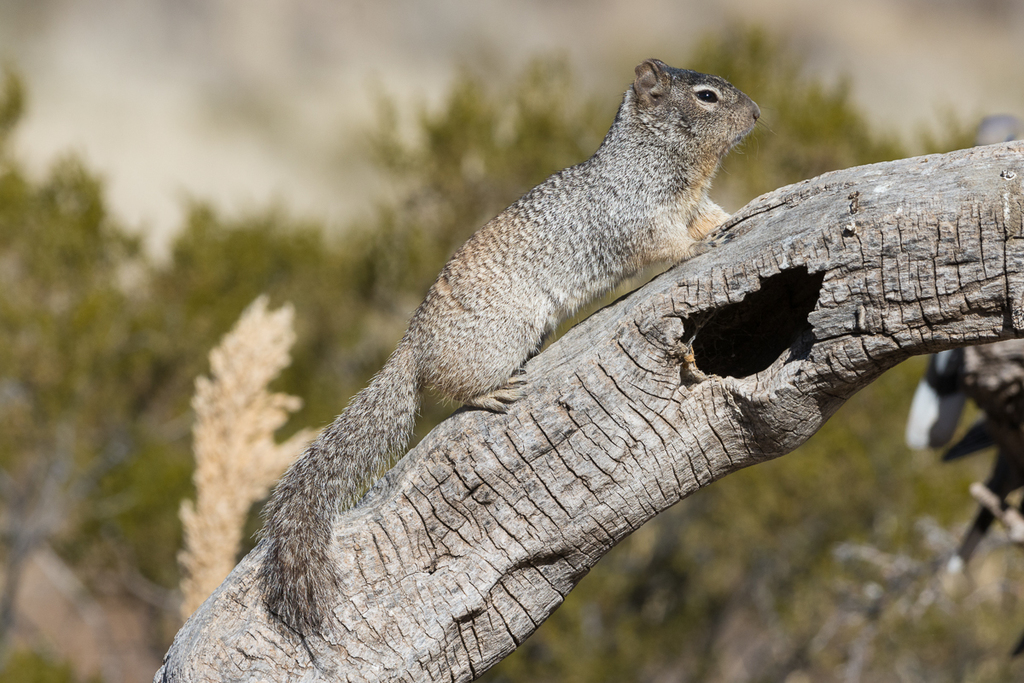
Mammals & bears
Rock Squirrel
iNaturalist regional observations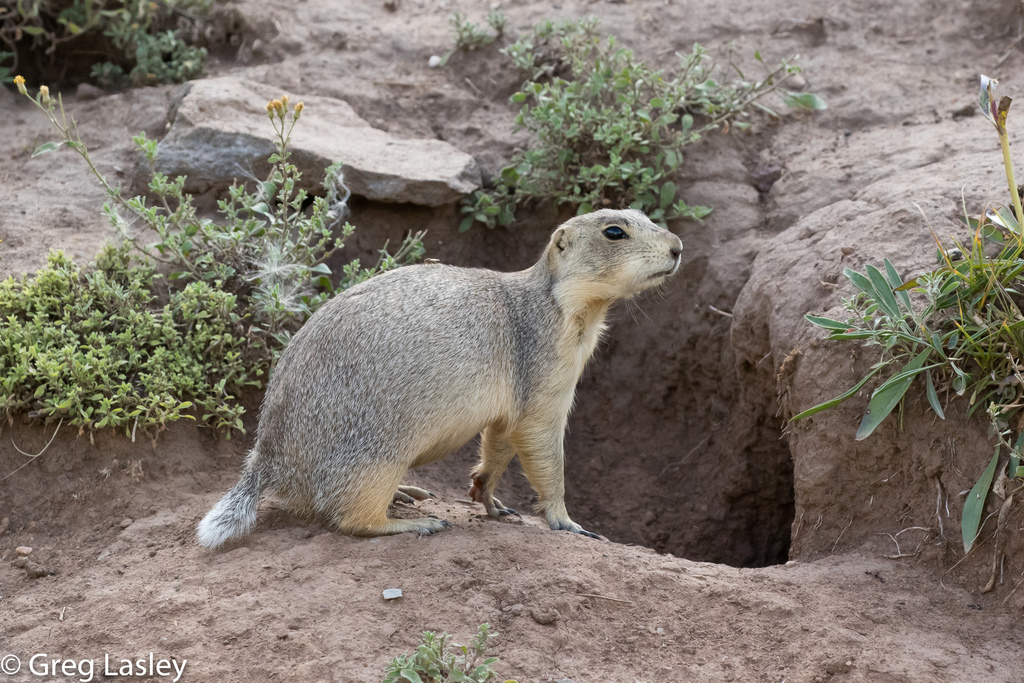
Mammals & bears
Gunnison's Prairie Dog
iNaturalist regional observationsBirds
House Finch
iNaturalist regional observations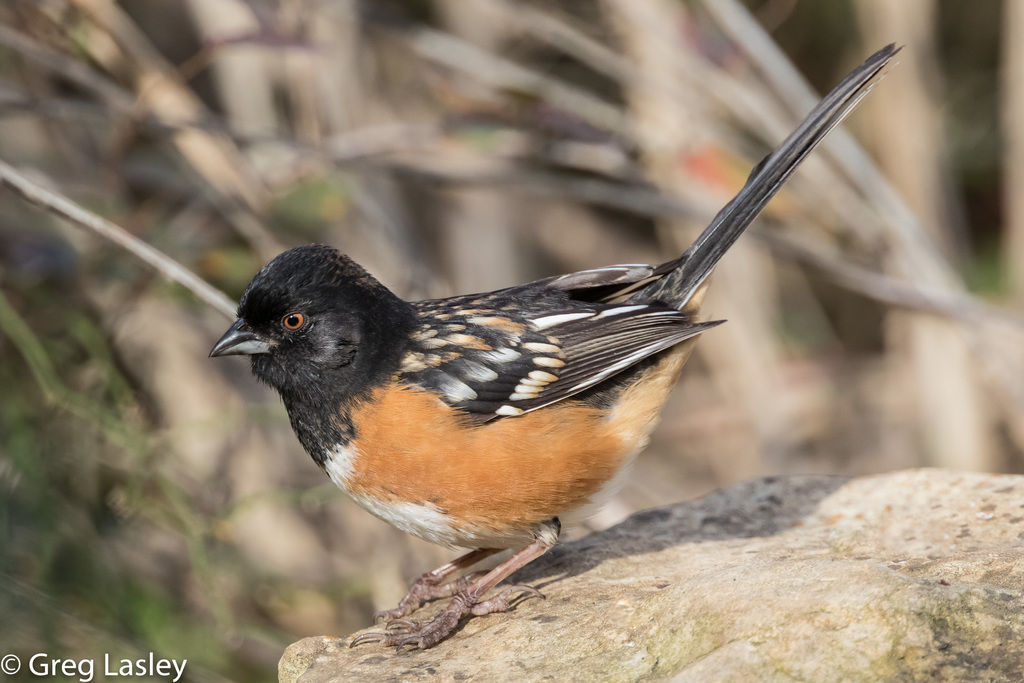
Birds
Spotted Towhee
iNaturalist regional observations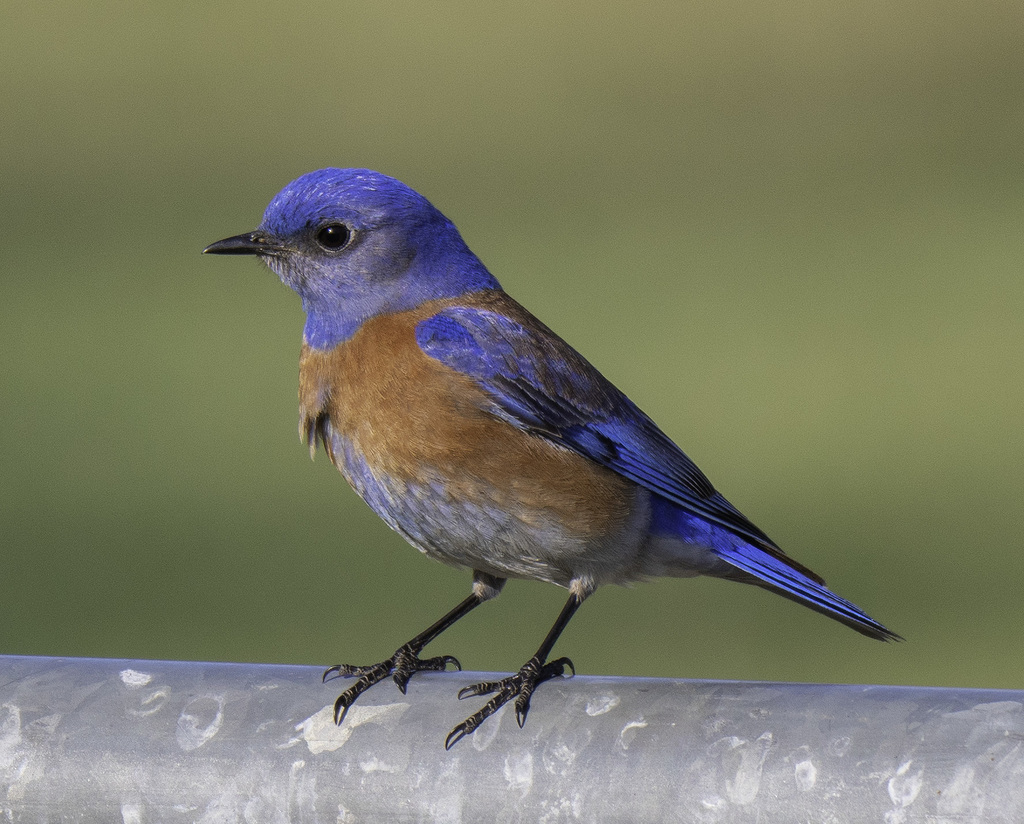
Birds
Western Bluebird
iNaturalist regional observations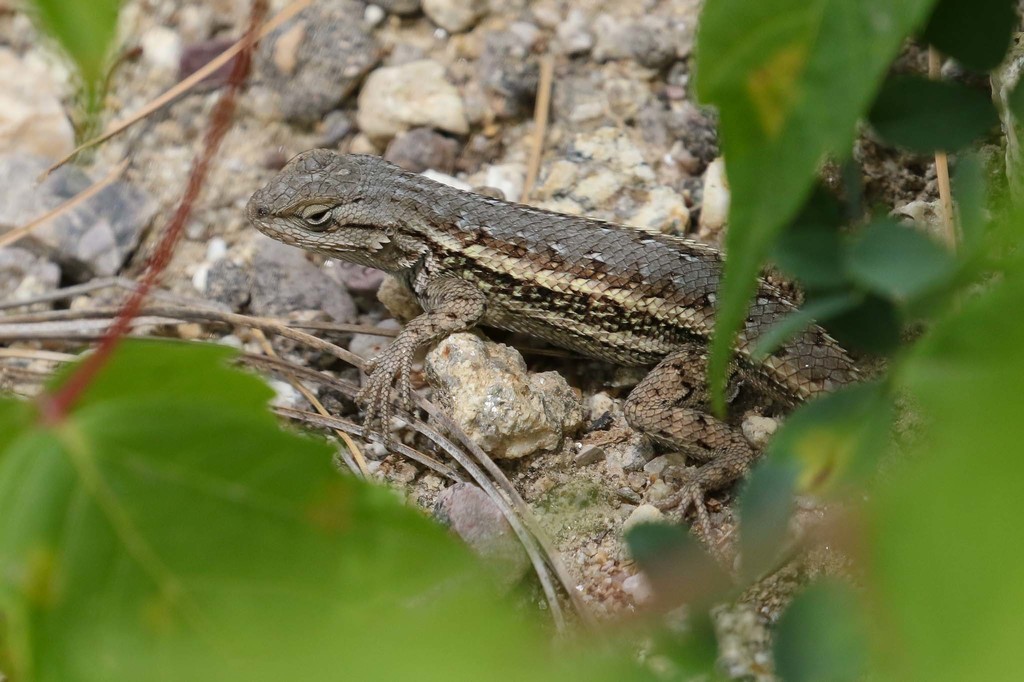
Reptiles & amphibians
Southwestern Fence Lizard
iNaturalist regional observations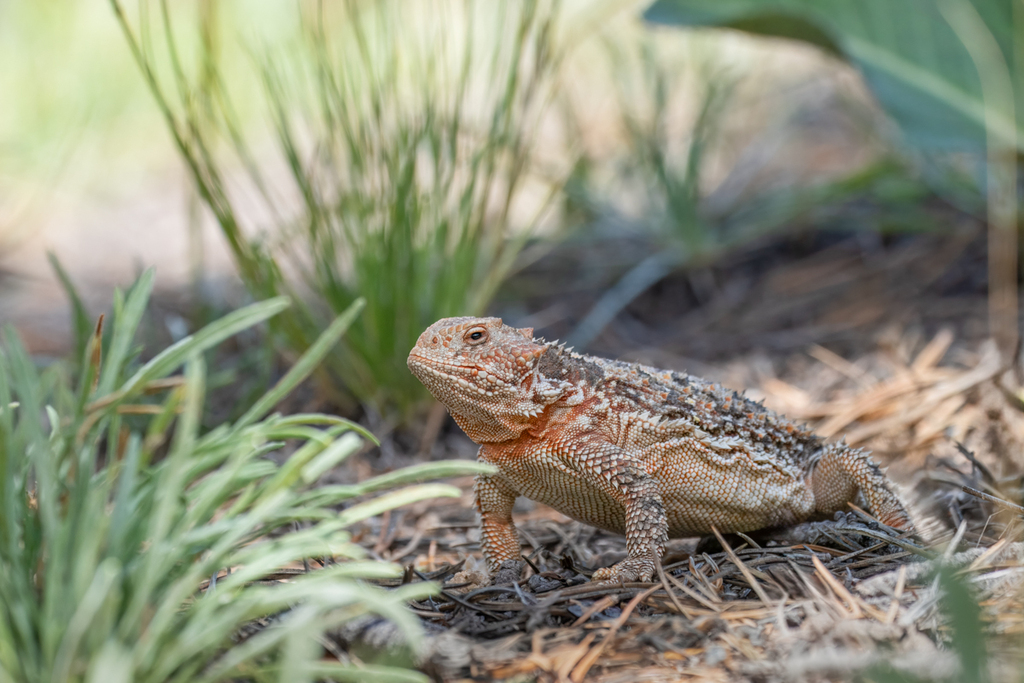
Reptiles & amphibians
Greater Short-horned Lizard
iNaturalist regional observationsPlants
Tree Cholla
iNaturalist regional observationsPlants
Colorado Pinyon
iNaturalist regional observationsPlants
Rubber Rabbitbrush
iNaturalist regional observationsPlants
Apache Plume
iNaturalist regional observationsMammals & bears
Mule Deer
iNaturalist regional observationsMammals & bears
Rock Squirrel
iNaturalist regional observationsMammals & bears
Gunnison's Prairie Dog
iNaturalist regional observationsBirds
House Finch
iNaturalist regional observationsBirds
Spotted Towhee
iNaturalist regional observationsBirds
Western Bluebird
iNaturalist regional observationsReptiles & amphibians
Southwestern Fence Lizard
iNaturalist regional observationsReptiles & amphibians
Greater Short-horned Lizard
iNaturalist regional observationsiNaturalist regional observations · 847 obs
Southwestern Fence Lizard
iNaturalist regional observations · 574 obs
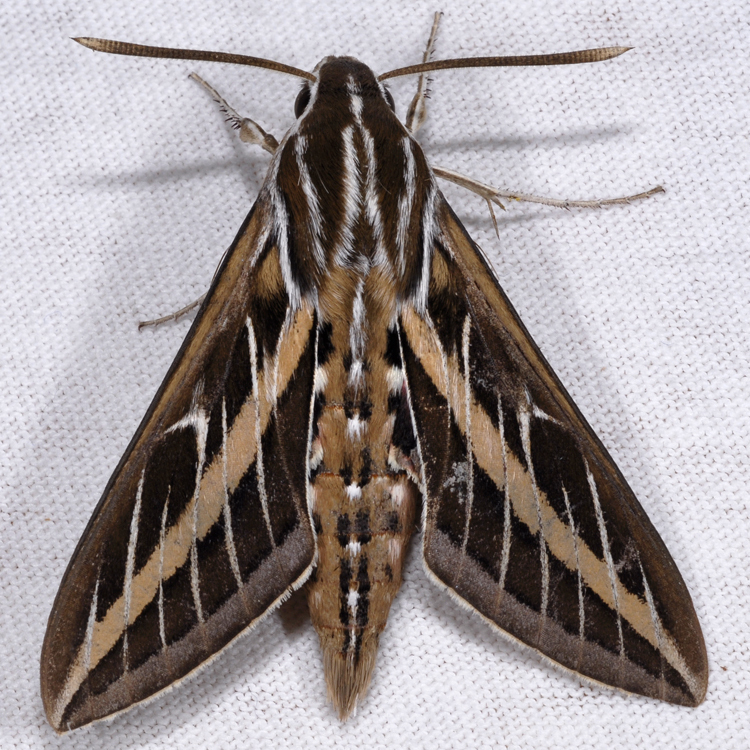
White-lined Sphinx
iNaturalist regional observations · 548 obs
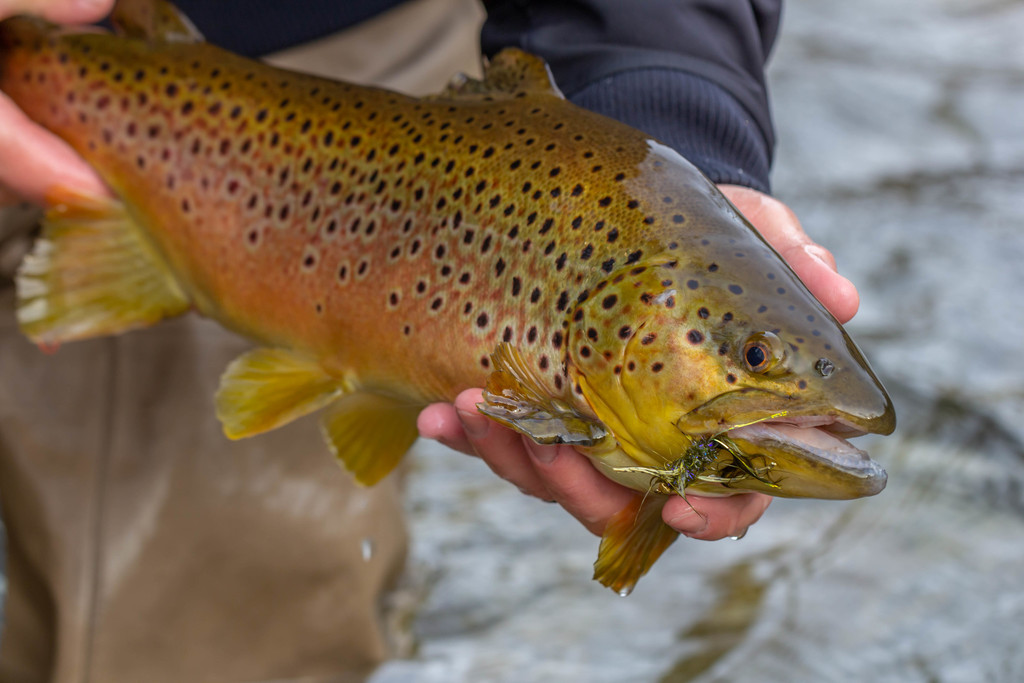
Brown Trout
iNaturalist regional observations · 38 obs
345 obs in the regional sample
Dawn and dusk are the real activity windows — heat reshapes the day.
iNaturalist regional observations · 1,539 total observations
Birds
wing
House Finch
Haemorhous mexicanus
iNaturalist regional observations847 obs in the regional sample
Spotted Towhee
Pipilo maculatus
iNaturalist regional observations579 obs in the regional sample
Western Bluebird
Sialia mexicana
iNaturalist regional observations493 obs in the regional sample
Nesting season — dawn chorus is dense, midday quiets down.
iNaturalist regional observations · 1,919 total observations
Reptiles & amphibians
rain skin
Southwestern Fence Lizard
Sceloporus cowlesi
iNaturalist regional observations574 obs in the regional sample
Greater Short-horned Lizard
Phrynosoma hernandesi
iNaturalist regional observations534 obs in the regional sample
Gopher Snake
Pituophis catenifer
iNaturalist regional observations438 obs in the regional sample
Reptiles shift to crepuscular timing; midday belongs to stone shadow.
iNaturalist regional observations · 1,546 total observations
Insects
small life
White-lined Sphinx
Hyles lineata
iNaturalist regional observations548 obs in the regional sample
Western Honey Bee
Apis mellifera
iNaturalist regional observations434 obs in the regional sample
Obscure Darkling Beetle
Eleodes obscura
iNaturalist regional observations381 obs in the regional sample
Insect activity peaks; pollinator and predator traffic both high.
iNaturalist regional observations · 1,363 total observations
Fish
fin
Brown Trout
Salmo trutta
iNaturalist regional observations38 obs in the regional sample
Rainbow Trout
Oncorhynchus mykiss
iNaturalist regional observations22 obs in the regional sample
Rocky Mountain Cutthroat Trout
Oncorhynchus virginalis
iNaturalist regional observations16 obs in the regional sample
Warm-water species — catfish and bass — active near irrigation canals and reservoirs.
iNaturalist regional observations · 76 total observations
Plants
leaf
Tree Cholla
Cylindropuntia imbricata
iNaturalist regional observations2,031 obs in the regional sample
Colorado Pinyon
Pinus edulis
iNaturalist regional observations1,120 obs in the regional sample
Rubber Rabbitbrush
Ericameria nauseosa
iNaturalist regional observations1,080 obs in the regional sample
Full canopy and seed set — shade structure carries the day.
iNaturalist regional observations · 5,285 total observations