Do first
Weatherfeather
Opening the weather.
Gathering the sky, the forecast, and the life nearby into one field note.
air
light
life
Weatherfeather
Gathering the sky, the forecast, and the life nearby into one field note.
Pacific Northwest forest · Washington
Weather field guide
The night opening around the northern forest.
The visual day has gone quiet; temperature, wind, insects, and edge movement become the living signals.
The night opening around the northern forest.
the northern forest after dark rewards patience and stillness; eyes adjust, ears sharpen, and the place reveals itself on its own terms.
5p is the cleanest weather window. No single weather risk dominates the day. Watch temperature, insects, and edge movement more than color or distant views.
Best outside
5p
64° with 0% rain risk
Weather risk
Low friction
No single weather risk dominates the day.
Nature cue
After-dark signal
Watch temperature, insects, and edge movement more than color or distant views.
Do first
Ten small weather plates: rain signal, sky language, and the temperature span the landscape will move through.
Today
Jun 10
Overcast
4p–7p
Comfortable 64°, dry.
Backup plan
5p–7p
Comfortable 64°, still air.
Lowest-friction avoid
4p–7p
Dry, still air.
A practical field note read through cedar canopy, rain glass, and the next useful window outside.
Best window is 5p, with steady tradeoffs.
64° with 0% rain risk. Avoid 6a if you need the lowest friction; rain should stay manageable, and temperature stays relatively stable.
The day as movement: a calmer read of when to step outside, when to wait, and when weather asks for caution.
Do first
Forest trail
4p–7p
Comfortable 64°, dry.
Backup plan
Walking
5p–7p
Comfortable 64°, still air.
Lowest-friction avoid
Yard work
4p–7p
Dry, still air.
Best opening
6a–7a
Golden hour, right time of day. Light is the subject. No major friction signal is leading the day.
Rhythm line
Weather read
50°
7 mph wind · 13% rain
Watch
Low friction
No major activity warning
Motif
rain glass
low light
Forest trail
4p–7p
Comfortable 64°, dry
Walking
5p–7p
Comfortable 64°, dry
Running
9a–10a
Comfortable 55°, dry
Walking
Easy outdoor pace.
5p–7pComfortable 64°, dry
Running
Steady aerobic effort.
9a–10aComfortable 55°, dry
Photography
Light is the subject.
Thu
Jun 11
Overcast
Fri
Jun 12
Overcast
Sat
Jun 13
Overcast
Sun
Jun 14
Overcast
Mon
Jun 15
Overcast
Tue
Jun 16
Partly cloudy
Wed
Jun 17
Mainly clear
Thu
Jun 18
Overcast
Fri
Jun 19
Overcast
6a–7aGolden hour, right time of day
Yard work
Long exposure, full sun.
4p–7pDry, still air
Driving
Roads readable, sky clear.
2p–4pComfortable 62°, dry
Forest trail
Quiet woods, cool air.
4p–7pComfortable 64°, dry
Pacific Northwest forest
After dark, the weather matters less like a forecast and more like a veil. Mammals and insects become the likely actors nearby.
Regional iNaturalist observations within roughly 50 km. Exact wildlife locations are intentionally not shown.
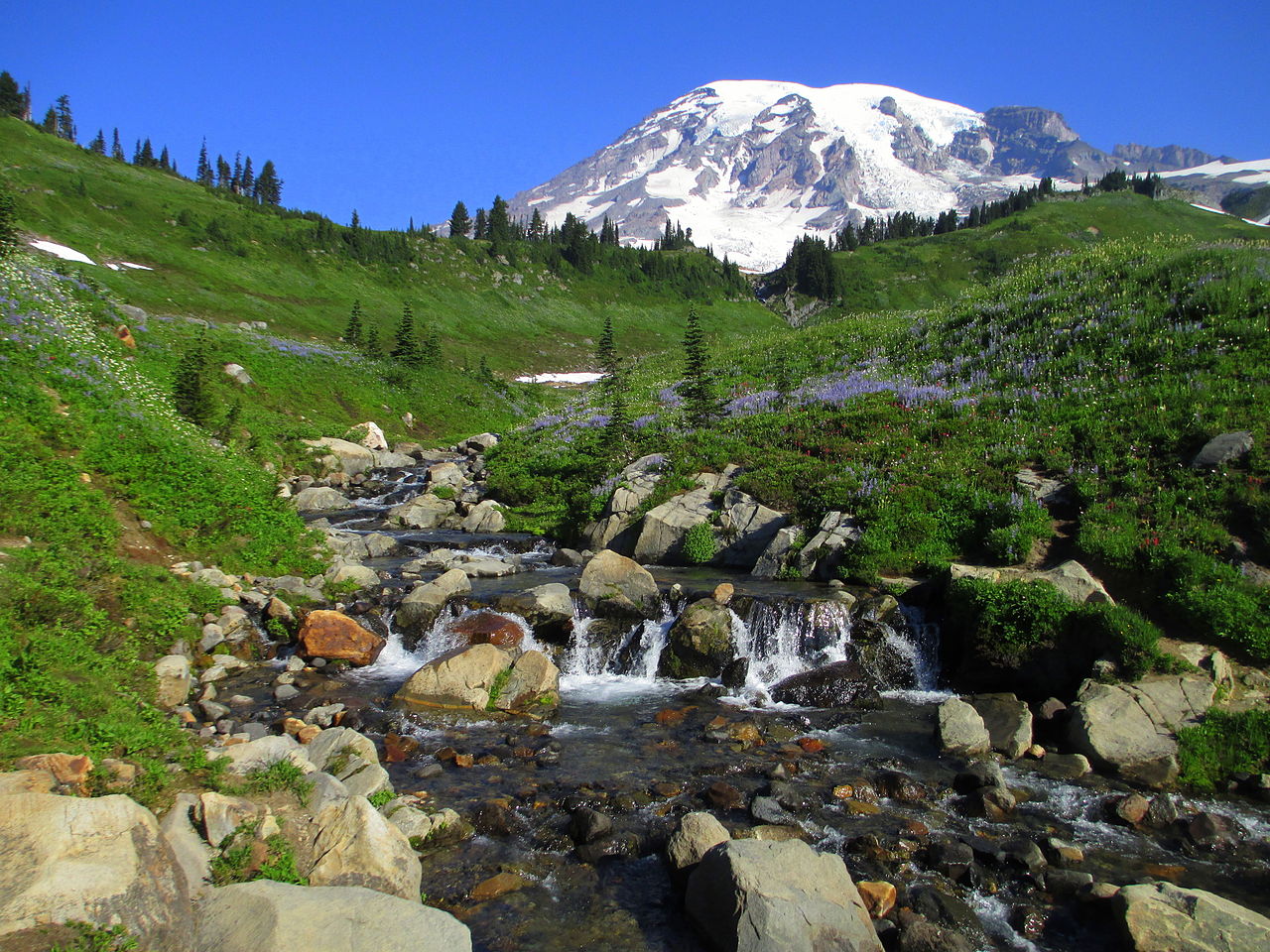
“Mount Rainier National Park is a national park of the United States located in southeast Pierce County and northeast Lewis County in the U.S.”
Read on Wikipedia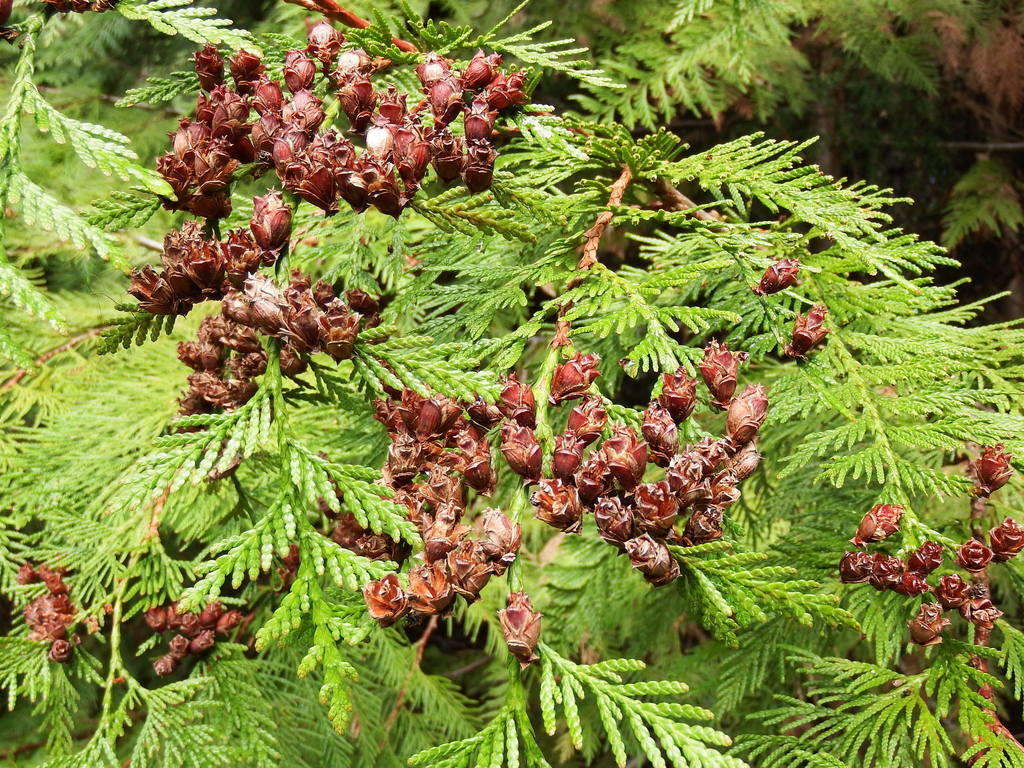
Plants
Western Redcedar
iNaturalist regional observations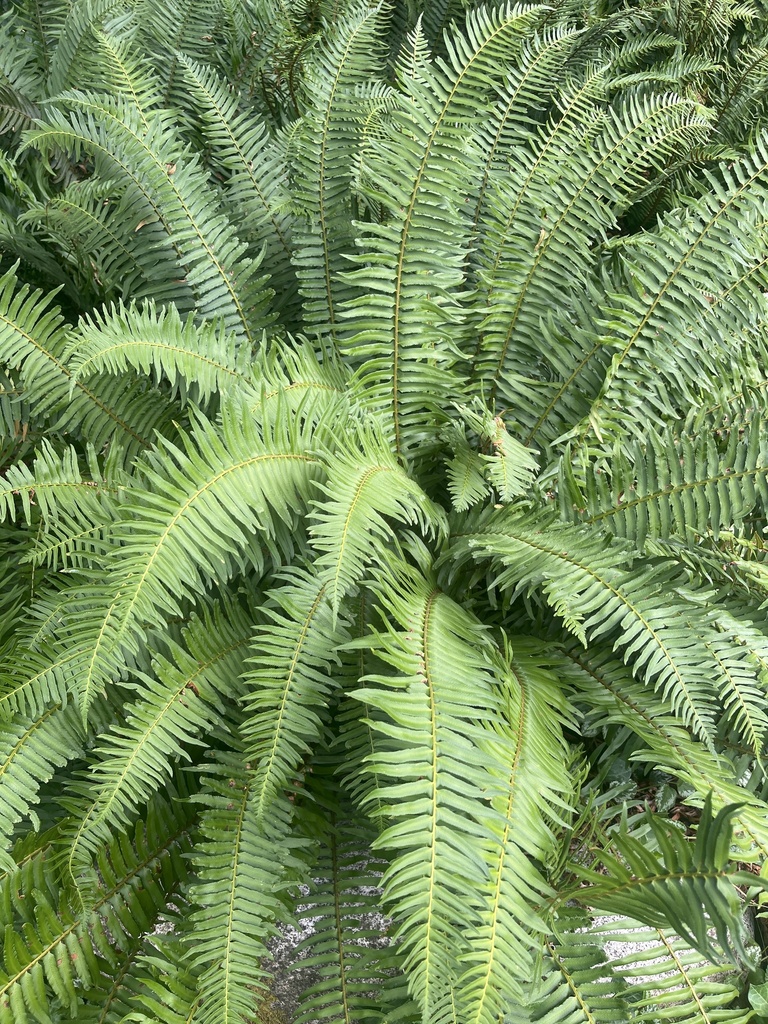
Plants
Western Sword Fern
iNaturalist regional observations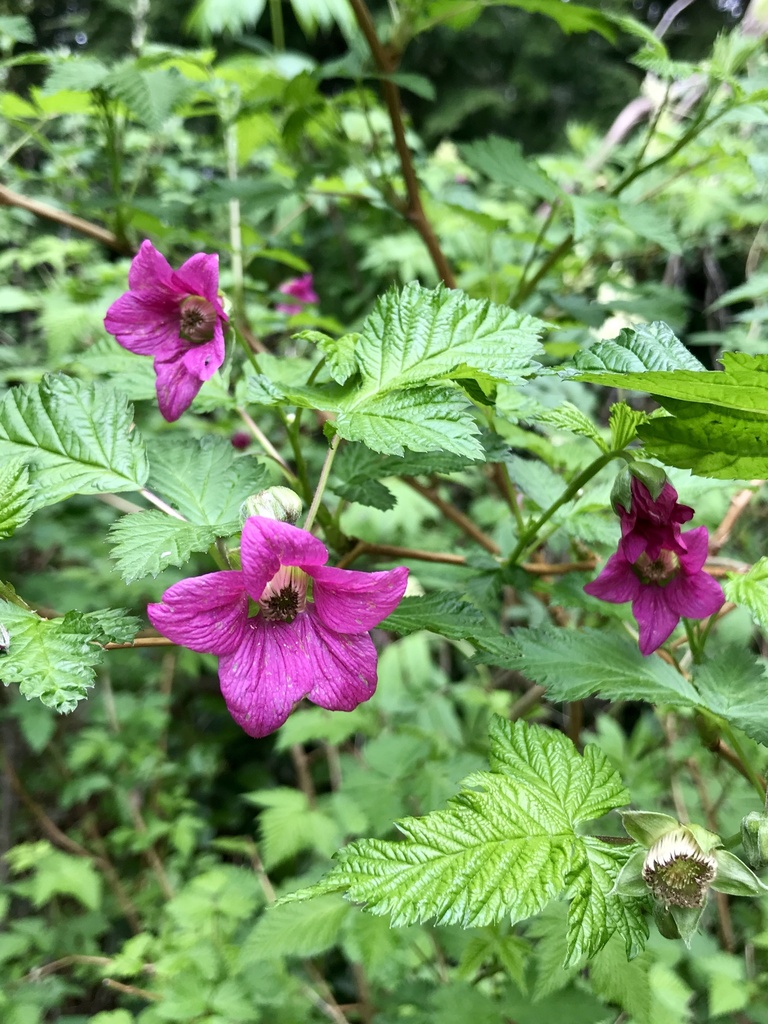
Plants
Salmonberry
iNaturalist regional observations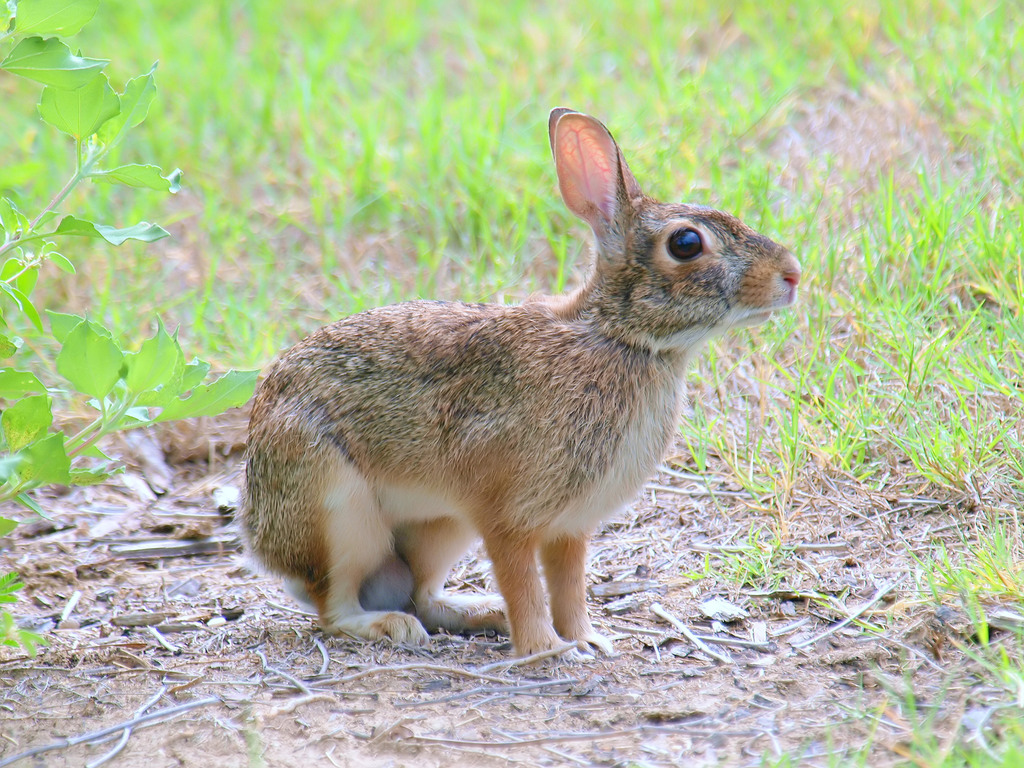
Eastern Cottontail keeps its own schedule.
Mammals tend to shift around heat, rain, and human noise, turning dawn, dusk, shade, and cover into the real local calendar.
Regional iNaturalist observations within roughly 50 km; exact public wildlife locations are not shown. Field-note copy is curated from taxon group, current weather, and regional observation context.
Also nearby

Mallard
Mammals & bears
fur + tracks
Eastern Cottontail
Sylvilagus floridanus
iNaturalist regional observations4,683 obs in the regional sample
Eastern Gray Squirrel
Sciurus carolinensis
iNaturalist regional observations4,282 obs in the regional sample
Mule Deer
Odocoileus hemionus
iNaturalist regional observations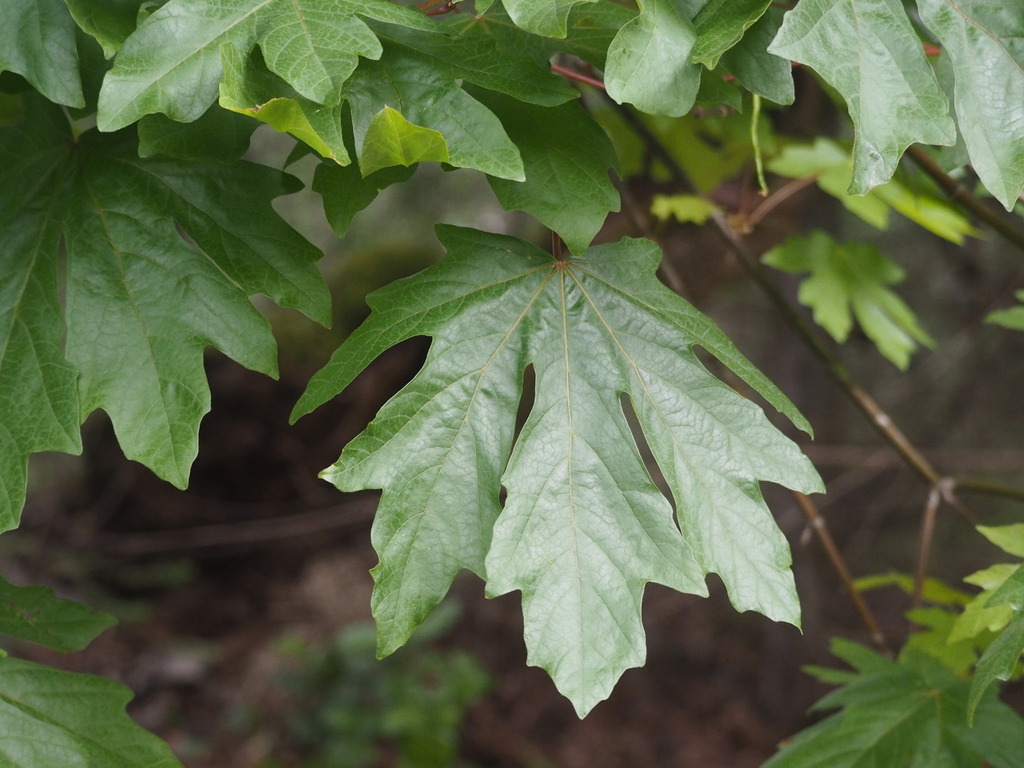
Plants
Bigleaf Maple
iNaturalist regional observationsMammals & bears
Eastern Cottontail
iNaturalist regional observations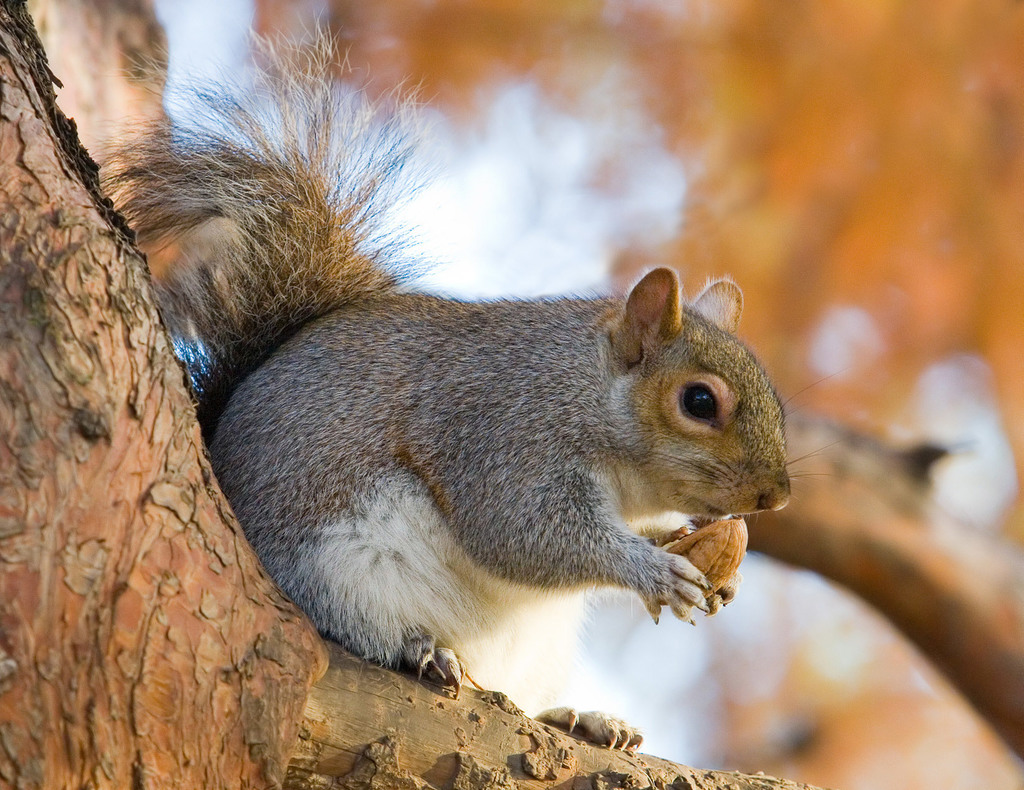
Mammals & bears
Eastern Gray Squirrel
iNaturalist regional observations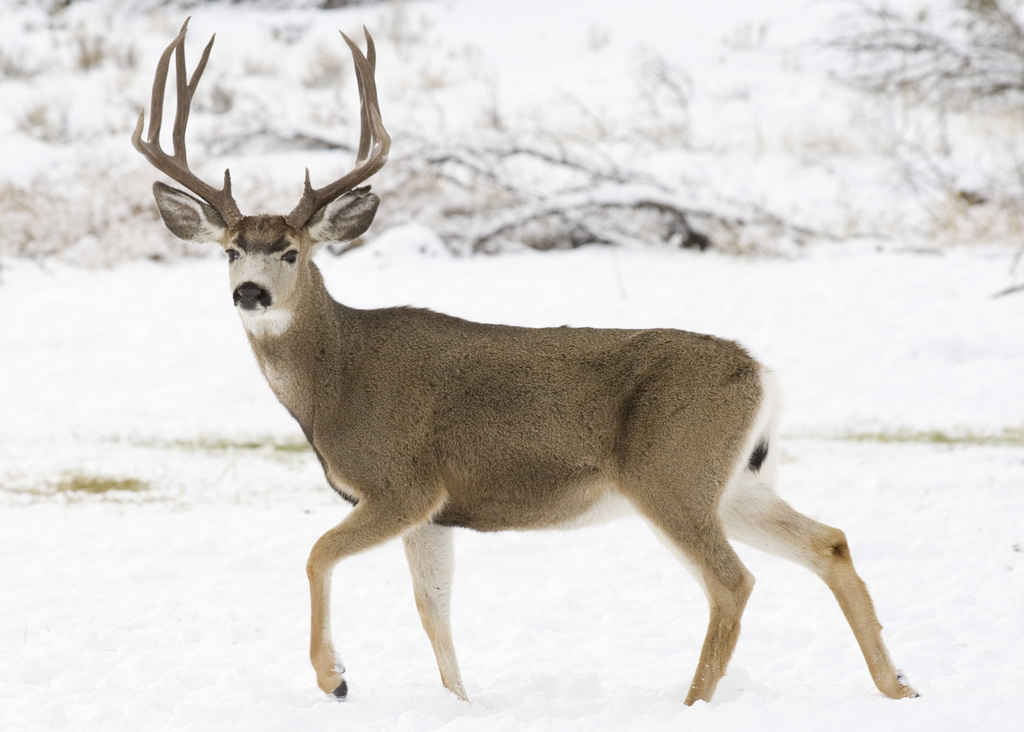
Mammals & bears
Mule Deer
iNaturalist regional observationsBirds
Mallard
iNaturalist regional observations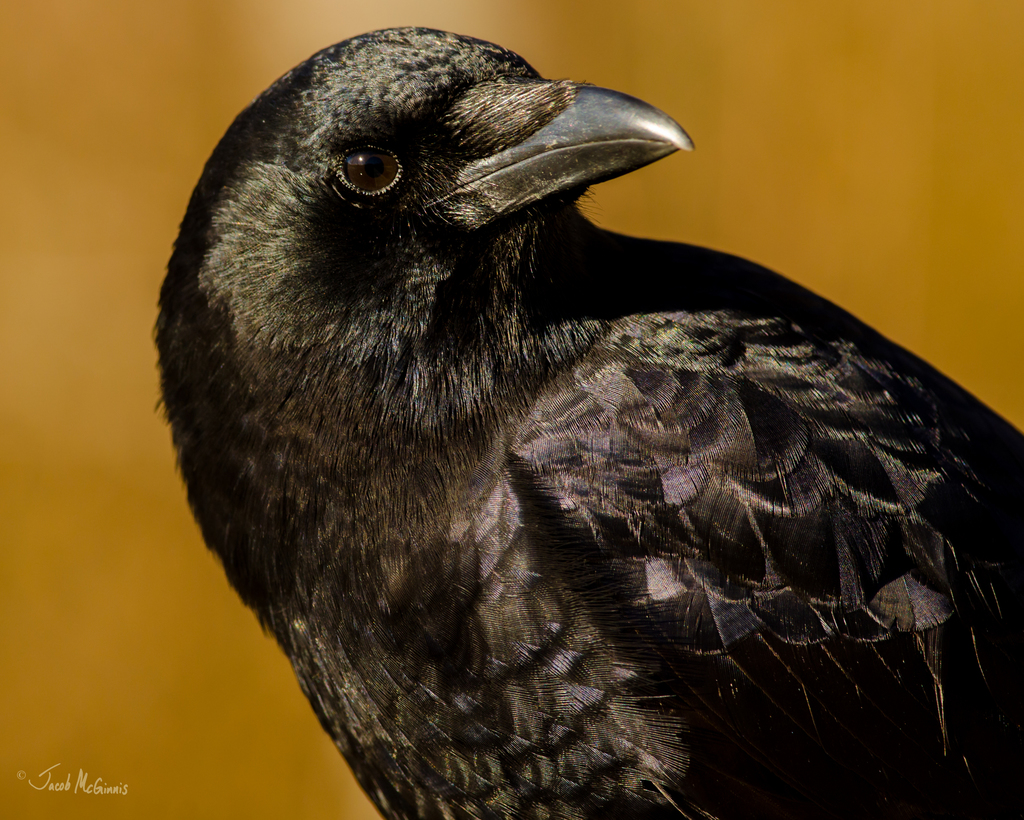
Birds
American Crow
iNaturalist regional observations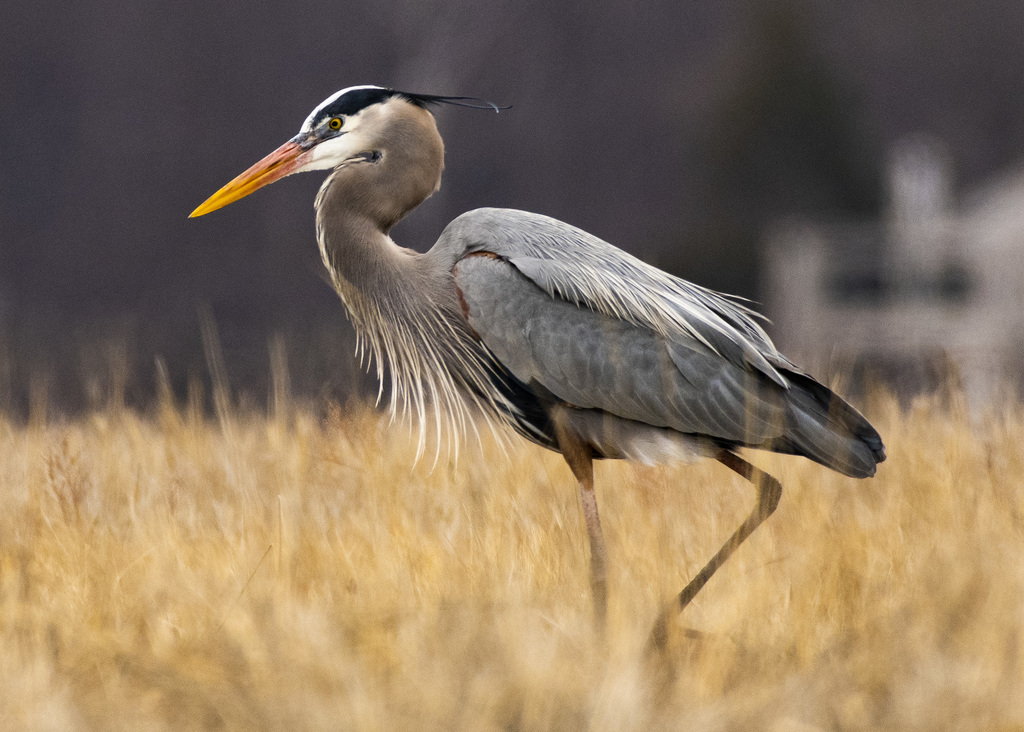
Birds
Great Blue Heron
iNaturalist regional observations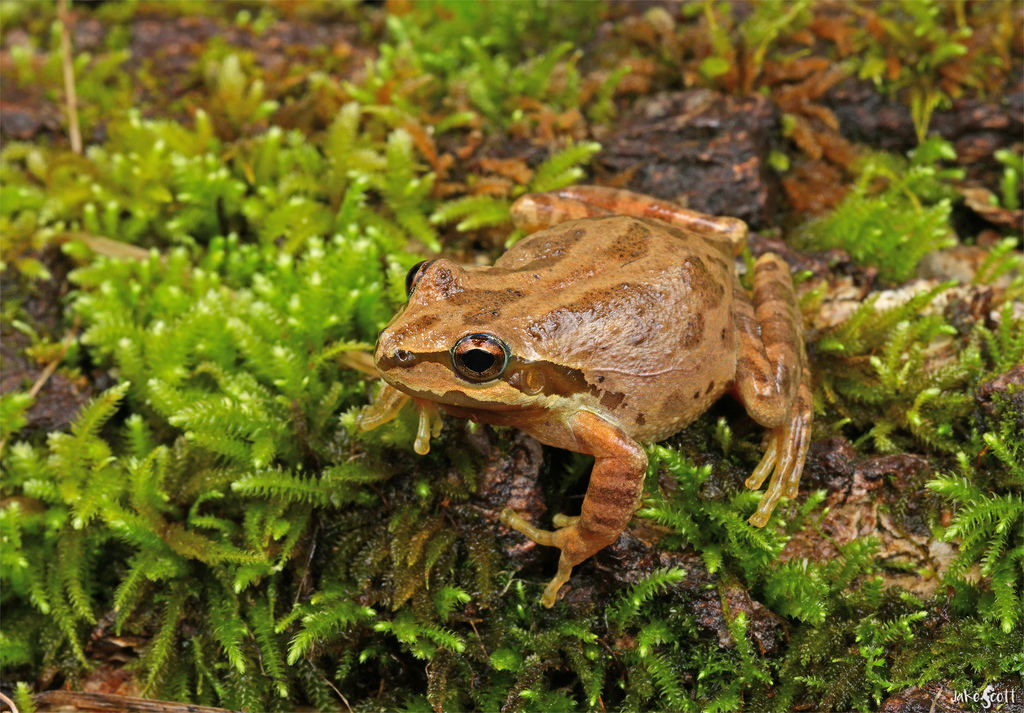
Reptiles & amphibians
Pacific Chorus Frog
iNaturalist regional observations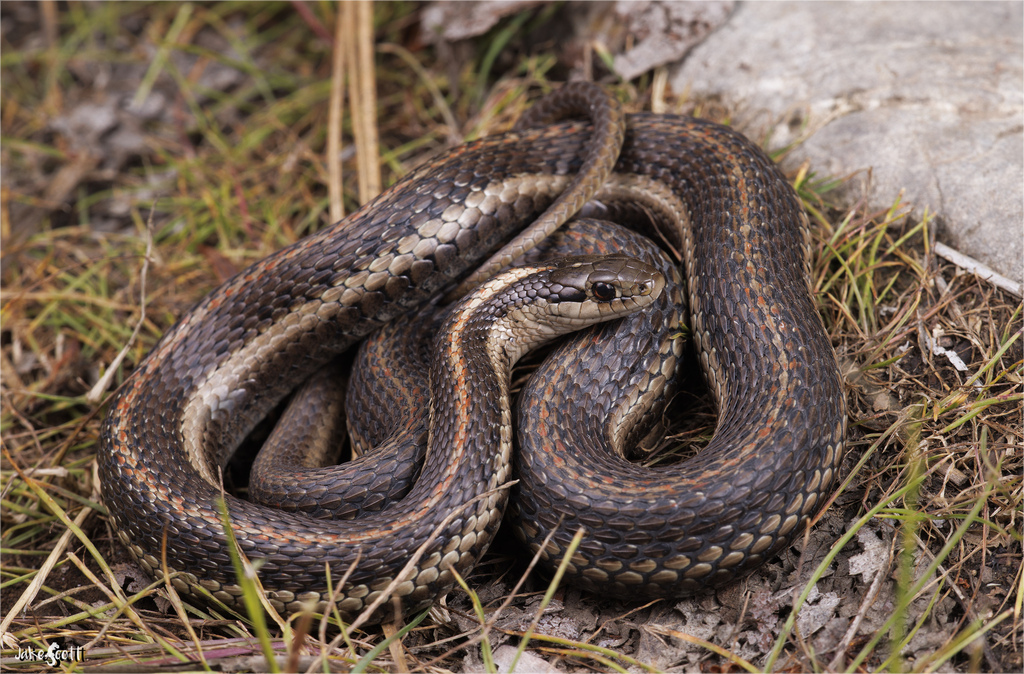
Reptiles & amphibians
Northwestern Garter Snake
iNaturalist regional observationsPlants
Western Redcedar
iNaturalist regional observationsPlants
Western Sword Fern
iNaturalist regional observationsPlants
Salmonberry
iNaturalist regional observationsPlants
Bigleaf Maple
iNaturalist regional observationsMammals & bears
Eastern Cottontail
iNaturalist regional observationsMammals & bears
Eastern Gray Squirrel
iNaturalist regional observationsMammals & bears
Mule Deer
iNaturalist regional observationsBirds
Mallard
iNaturalist regional observationsBirds
American Crow
iNaturalist regional observationsBirds
Great Blue Heron
iNaturalist regional observationsReptiles & amphibians
Pacific Chorus Frog
iNaturalist regional observationsReptiles & amphibians
Northwestern Garter Snake
iNaturalist regional observationsiNaturalist regional observations · 8,409 obs
Pacific Chorus Frog
iNaturalist regional observations · 5,804 obs
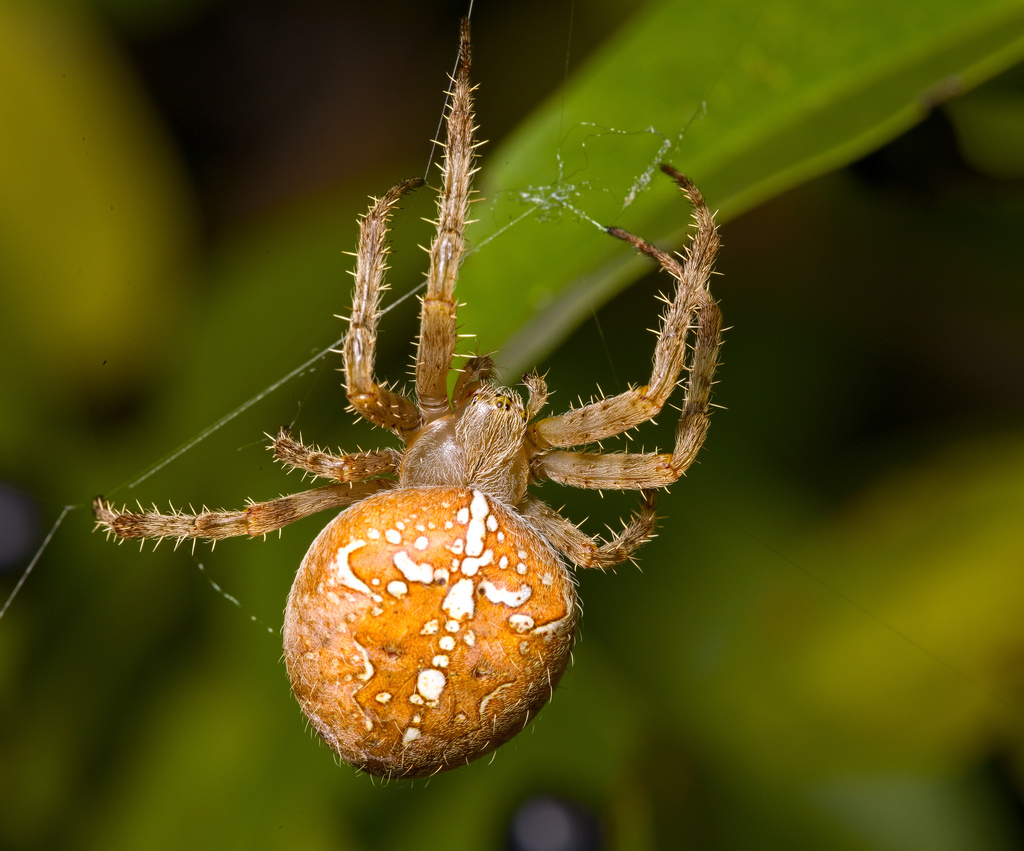
Cross Orbweaver
iNaturalist regional observations · 5,513 obs
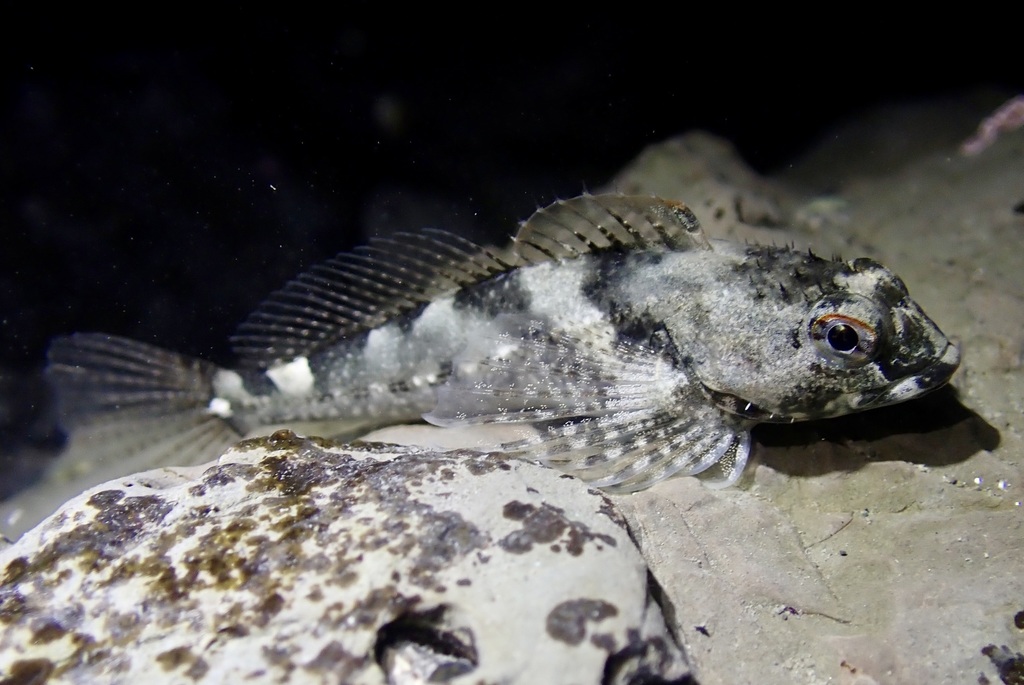
Tidepool Sculpin
iNaturalist regional observations · 523 obs
3,799 obs in the regional sample
Townsend's chipmunk and Douglas squirrel chatter through every cedar grove; harbor seals follow salmon up the sound.
iNaturalist regional observations · 12,764 total observations
Birds
wing
Mallard
Anas platyrhynchos
iNaturalist regional observations8,409 obs in the regional sample
American Crow
Corvus brachyrhynchos
iNaturalist regional observations7,514 obs in the regional sample
Great Blue Heron
Ardea herodias
iNaturalist regional observations7,054 obs in the regional sample
Swainson's thrush and Pacific-slope flycatcher hold the dawn chorus deep in the Douglas fir canopy.
iNaturalist regional observations · 22,977 total observations
Reptiles & amphibians
rain skin
Pacific Chorus Frog
Pseudacris regilla
iNaturalist regional observations5,804 obs in the regional sample
Northwestern Garter Snake
Thamnophis ordinoides
iNaturalist regional observations1,651 obs in the regional sample
Rough-skinned Newt
Taricha granulosa
iNaturalist regional observations1,408 obs in the regional sample
Northwestern salamander stays in cool seeps under deadfall; tree frogs hold to shaded waterways.
iNaturalist regional observations · 8,863 total observations
Insects
small life
Cross Orbweaver
Araneus diadematus
iNaturalist regional observations5,513 obs in the regional sample
Asian Lady Beetle
Harmonia axyridis
iNaturalist regional observations2,636 obs in the regional sample
Western Honey Bee
Apis mellifera
iNaturalist regional observations2,460 obs in the regional sample
Western tiger swallowtail rides the open meadows; carpenter bees work bigleaf maple flowers above the conifers.
iNaturalist regional observations · 10,609 total observations
Fish
fin
Tidepool Sculpin
Oligocottus maculosus
iNaturalist regional observations523 obs in the regional sample
Coho Salmon
Oncorhynchus kisutch
iNaturalist regional observations357 obs in the regional sample
High Cockscomb
Anoplarchus purpurescens
iNaturalist regional observations315 obs in the regional sample
Coastal cutthroat and sculpin work the gravel pools; salmon timing depends on which river you stand beside.
iNaturalist regional observations · 1,195 total observations
Plants
leaf
Western Redcedar
Thuja plicata
iNaturalist regional observations7,910 obs in the regional sample
Western Sword Fern
Polystichum munitum
iNaturalist regional observations7,219 obs in the regional sample
Salmonberry
Rubus spectabilis
iNaturalist regional observations5,279 obs in the regional sample
Sword fern and oxalis hold the rainforest floor; salal and Oregon grape carry the mid-story through dry months.
iNaturalist regional observations · 25,585 total observations