Do first
Weatherfeather
Opening the weather.
Gathering the sky, the forecast, and the life nearby into one field note.
air
light
life
Weatherfeather
Gathering the sky, the forecast, and the life nearby into one field note.
Carolina coast · North Carolina
Weather field guide
Night weather settling over the coastal marsh.
The visual day has gone quiet; temperature, wind, insects, and edge movement become the living signals.
6a is the cleanest weather window. No single weather risk dominates the day. Watch temperature, insects, and edge movement more than color or distant views.
Best outside
6a
73° with 0% rain risk
Weather risk
Low friction
No single weather risk dominates the day.
Nature cue
After-dark signal
Watch temperature, insects, and edge movement more than color or distant views.
Do first
Ten small weather plates: rain signal, sky language, and the temperature span the landscape will move through.
Today
Jun 10
Overcast
Night weather settling over the coastal marsh.
the coastal marsh quiets visually while mammals, insects, wind, and temperature become the living signals.
7a–10a
Comfortable 73°, dry.
Backup plan
8p–9p
Golden hour, right time of day.
Watch out
6a–7a
Dry, right time of day. Watch warm at 73°.
A practical field note read through marsh grass, salt air, and the next useful window outside.
Best window is 6a, with steady tradeoffs.
73° with 0% rain risk. Avoid 1p if you need the lowest friction; rain should stay manageable, and expect a 18° swing.
The day as movement: a calmer read of when to step outside, when to wait, and when weather asks for caution.
Do first
On the water
7a–10a
Comfortable 73°, dry.
Backup plan
Photography
8p–9p
Golden hour, right time of day.
Watch out
Running
6a–7a
Dry, right time of day. Watch warm at 73°.
Best opening
7a–10a
Comfortable 73°, dry. Coast, tide, open horizon. Watch warm at 73°.
Rhythm line
Weather read
73°
1 mph wind · 5% rain
Watch
warm at 73°
Running
Motif
salt air
low light
Photography
6a–7a
Comfortable 73°, golden hour
Walking
6a–8a
Comfortable 73°, dry
Yard work
8a–11a
Comfortable 76°, dry
Walking
Easy outdoor pace.
6a–8aComfortable 73°, dry
Running
Steady aerobic effort.
6a–7aDry, right time of day · Watch warm at 73°
Photography
Light is the subject.
Thu
Jun 11
Overcast
Fri
Jun 12
Light showers
Sat
Jun 13
Showers
Sun
Jun 14
Overcast
Mon
Jun 15
Light drizzle
Tue
Jun 16
Overcast
Wed
Jun 17
Drizzle
Thu
Jun 18
Light drizzle
Fri
Jun 19
Overcast
6a–7aComfortable 73°, golden hour
Yard work
Long exposure, full sun.
8a–11aComfortable 76°, dry
Driving
Roads readable, sky clear.
8a–10aComfortable 76°, dry
On the water
Coast, tide, open horizon.
7a–10aComfortable 73°, dry
Carolina coast
After dark, the weather matters less like a forecast and more like a veil. Mammals and insects become the likely actors nearby.
Regional iNaturalist observations within roughly 50 km. Exact wildlife locations are intentionally not shown.

“Wrightsville Beach is a town in New Hanover County, North Carolina, United States.”
Read on Wikipedia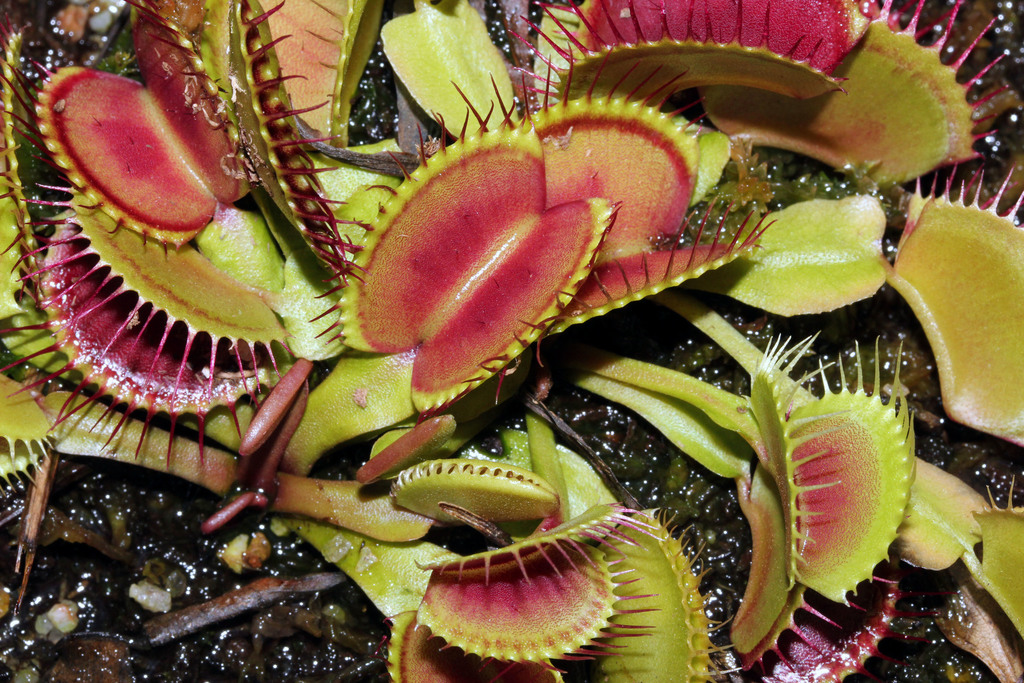
Plants
Venus Flytrap
iNaturalist regional observations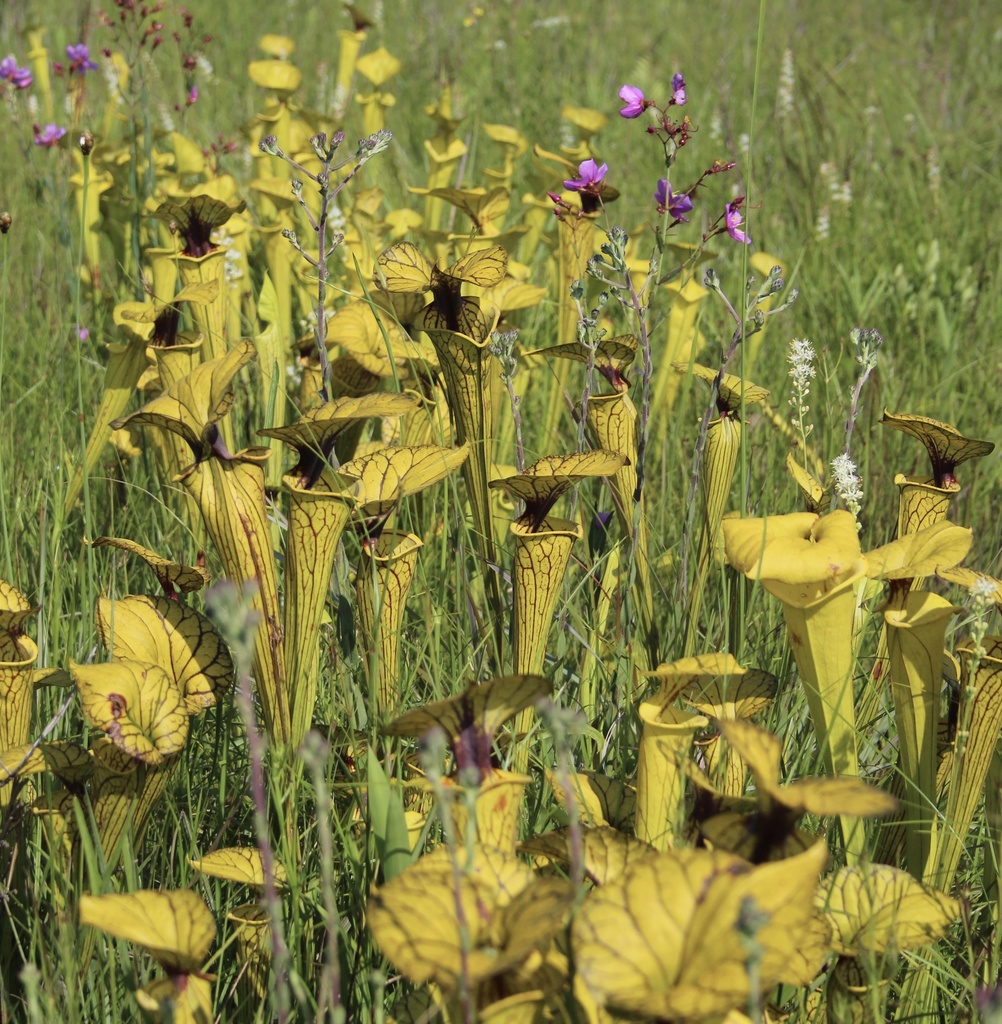
Plants
Yellow Pitcher Plant
iNaturalist regional observations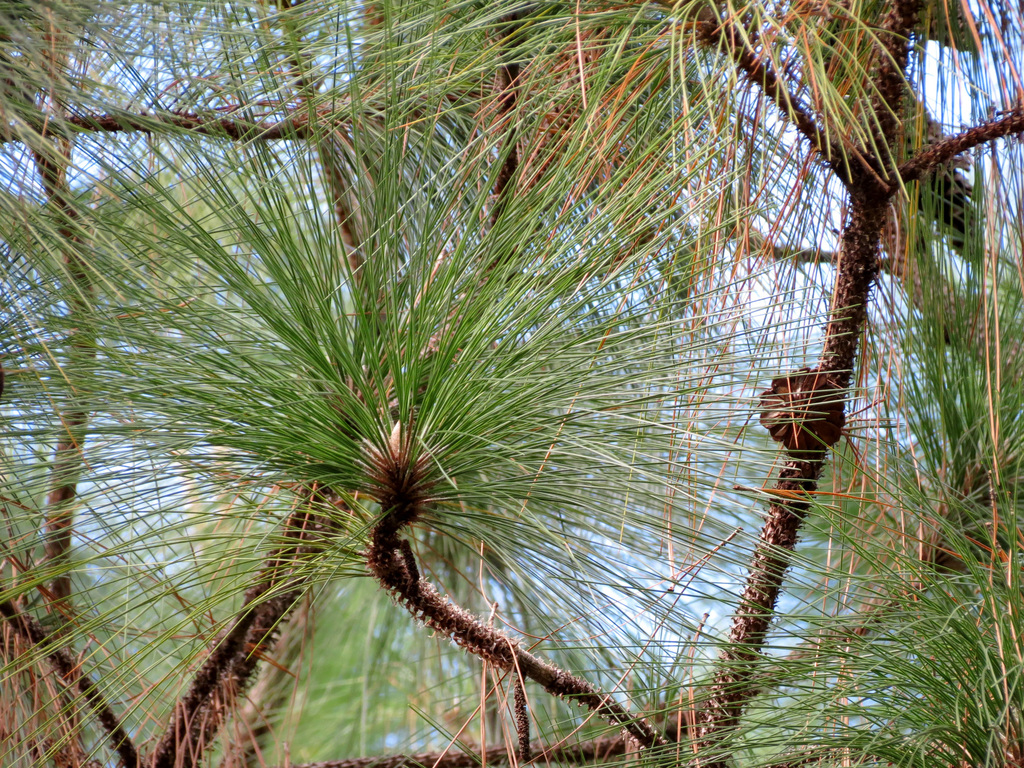
Plants
Longleaf Pine
iNaturalist regional observations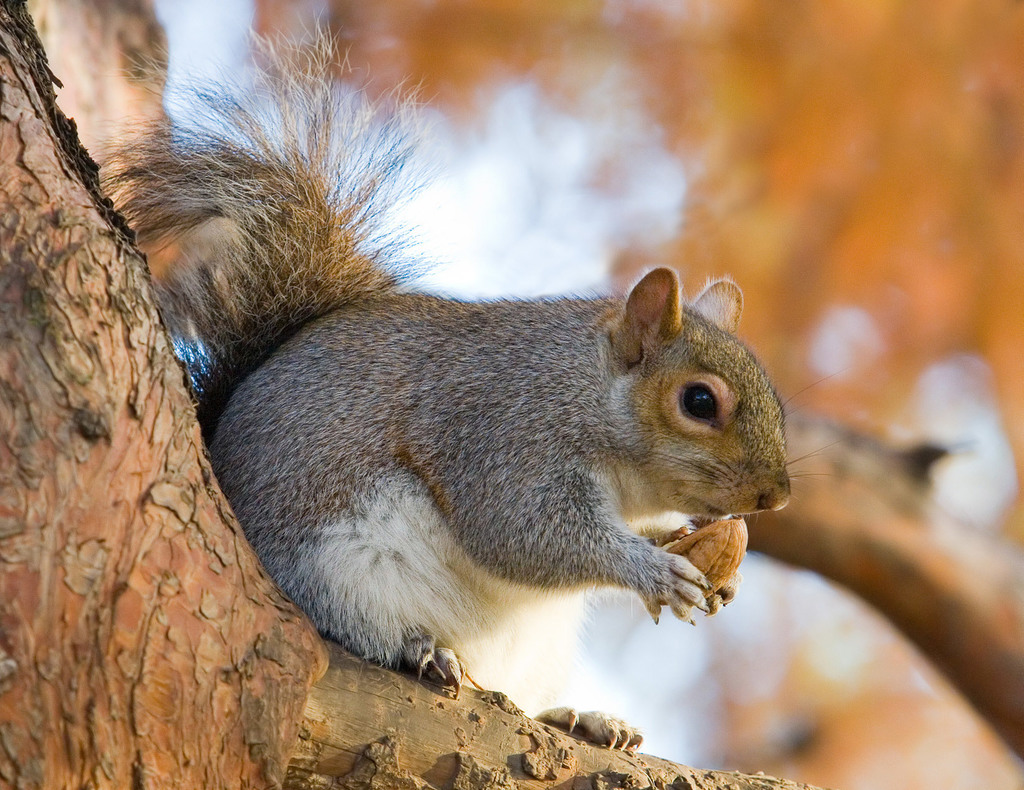
Eastern Gray Squirrel keeps its own schedule.
Mammals tend to shift around heat, rain, and human noise, turning dawn, dusk, shade, and cover into the real local calendar.
Regional iNaturalist observations within roughly 50 km; exact public wildlife locations are not shown. Field-note copy is curated from taxon group, current weather, and regional observation context.
Also nearby
Mammals & bears
fur + tracks
Eastern Gray Squirrel
Sciurus carolinensis
iNaturalist regional observations636 obs in the regional sample
White-tailed Deer
Odocoileus virginianus
iNaturalist regional observations248 obs in the regional sample
Eastern Fox Squirrel
Sciurus niger
iNaturalist regional observations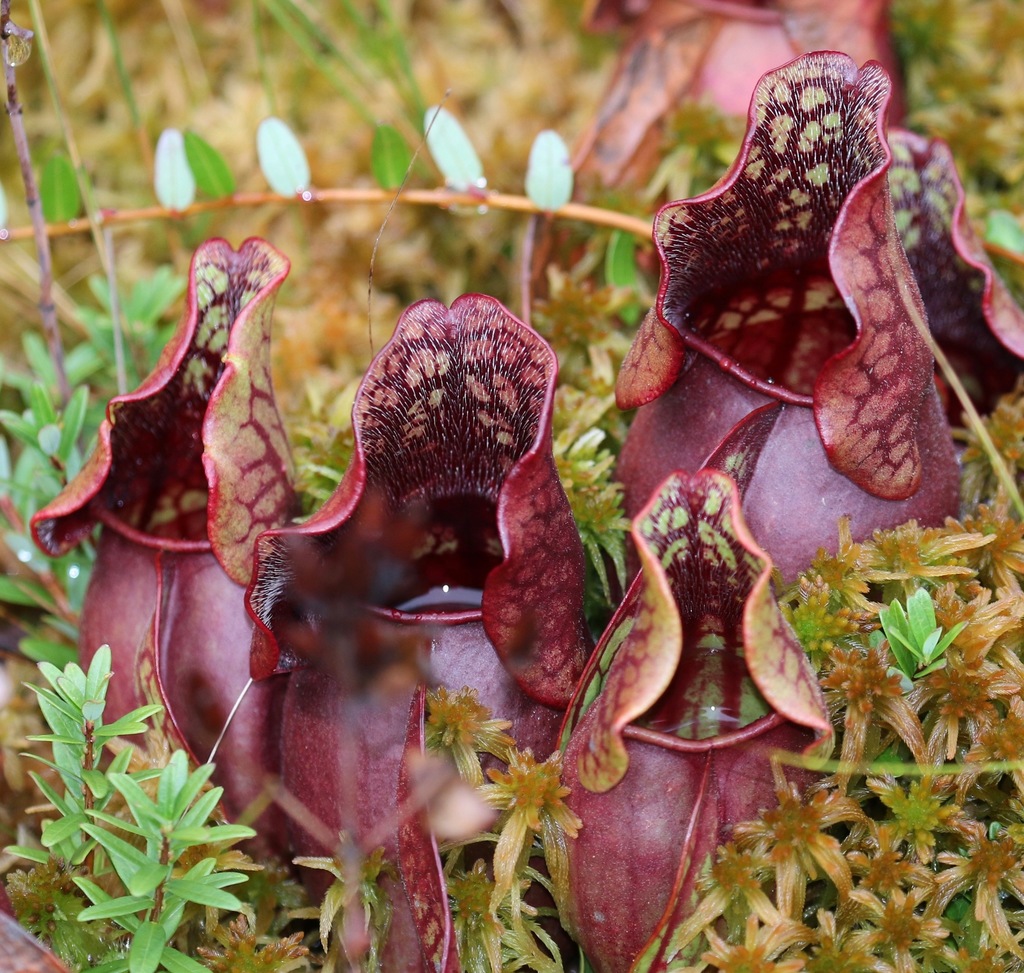
Plants
Purple Pitcher Plant
iNaturalist regional observationsMammals & bears
Eastern Gray Squirrel
iNaturalist regional observations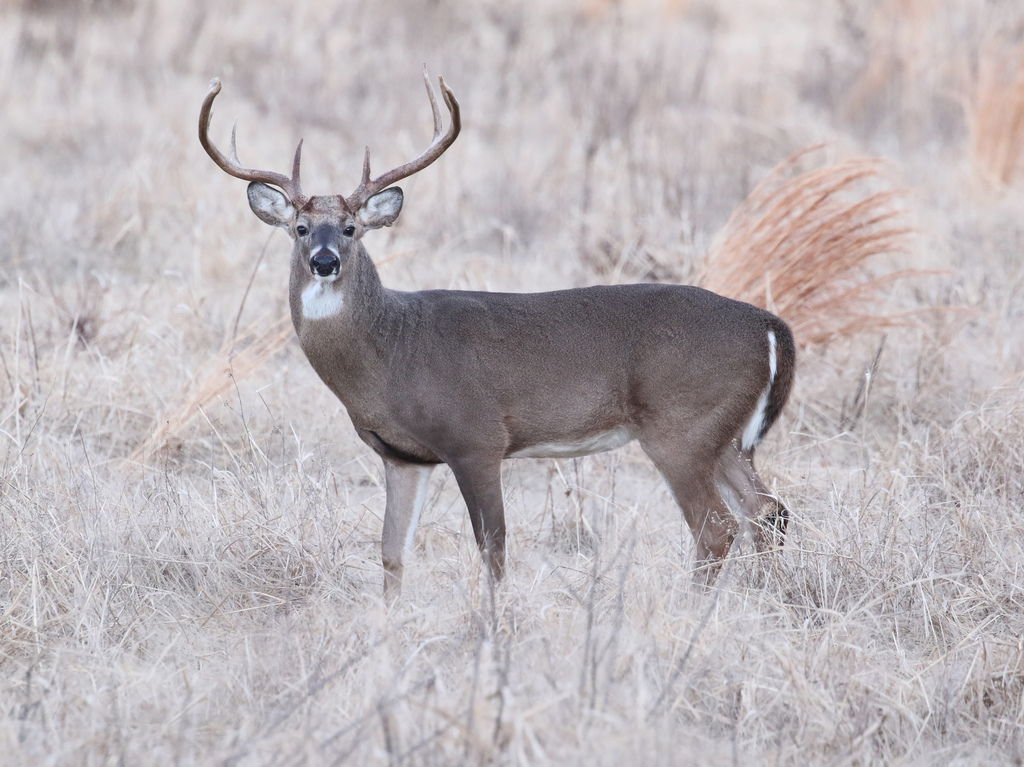
Mammals & bears
White-tailed Deer
iNaturalist regional observations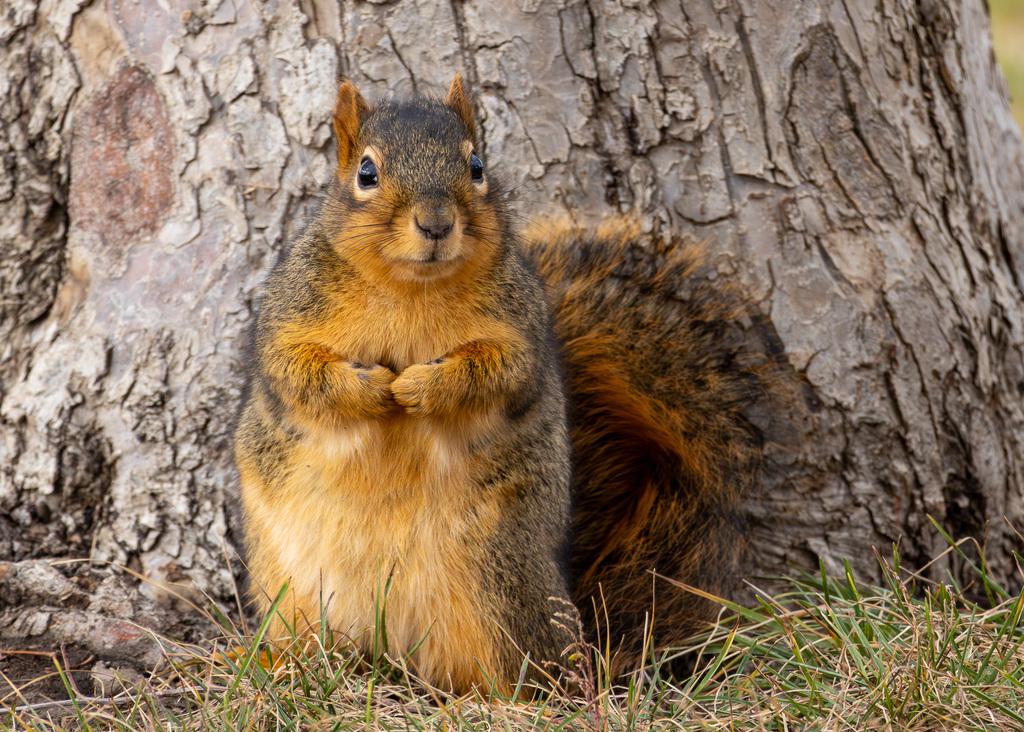
Mammals & bears
Eastern Fox Squirrel
iNaturalist regional observationsBirds
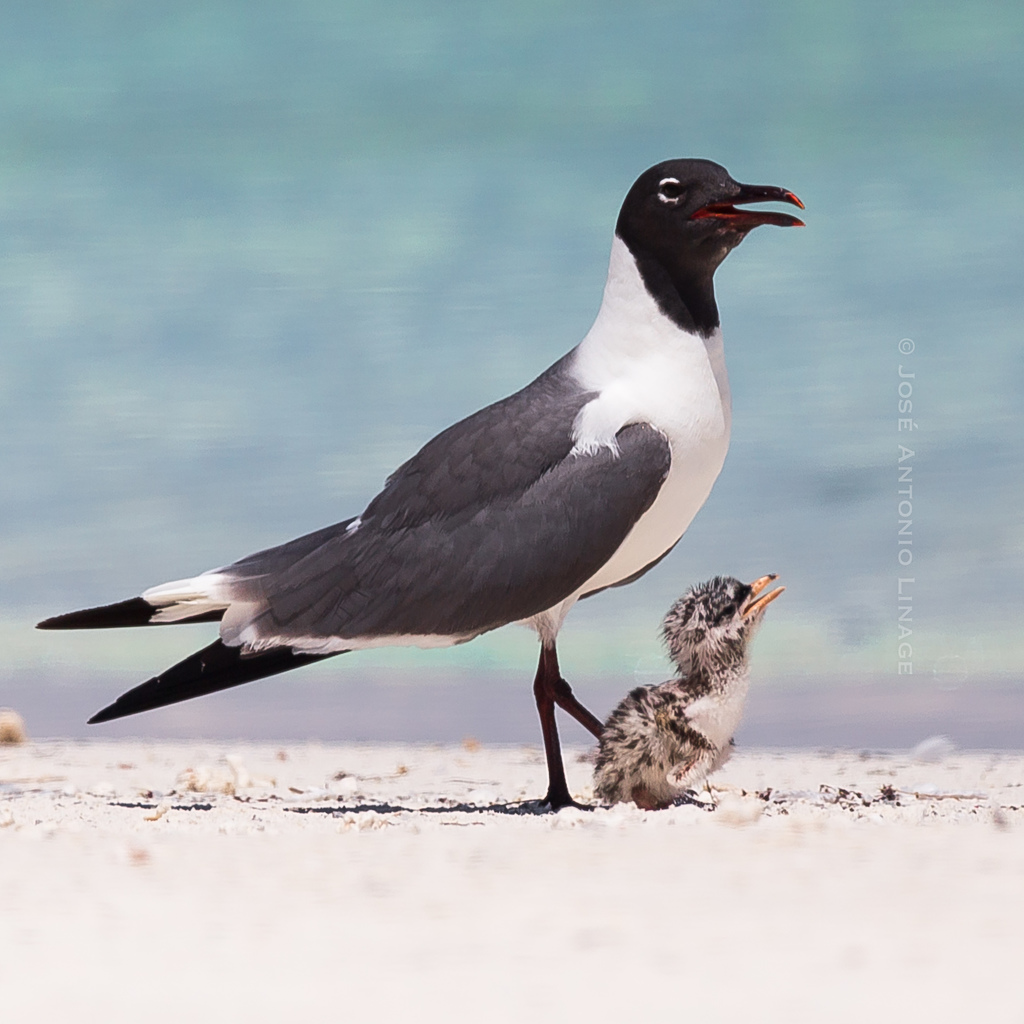
Laughing Gull
iNaturalist regional observations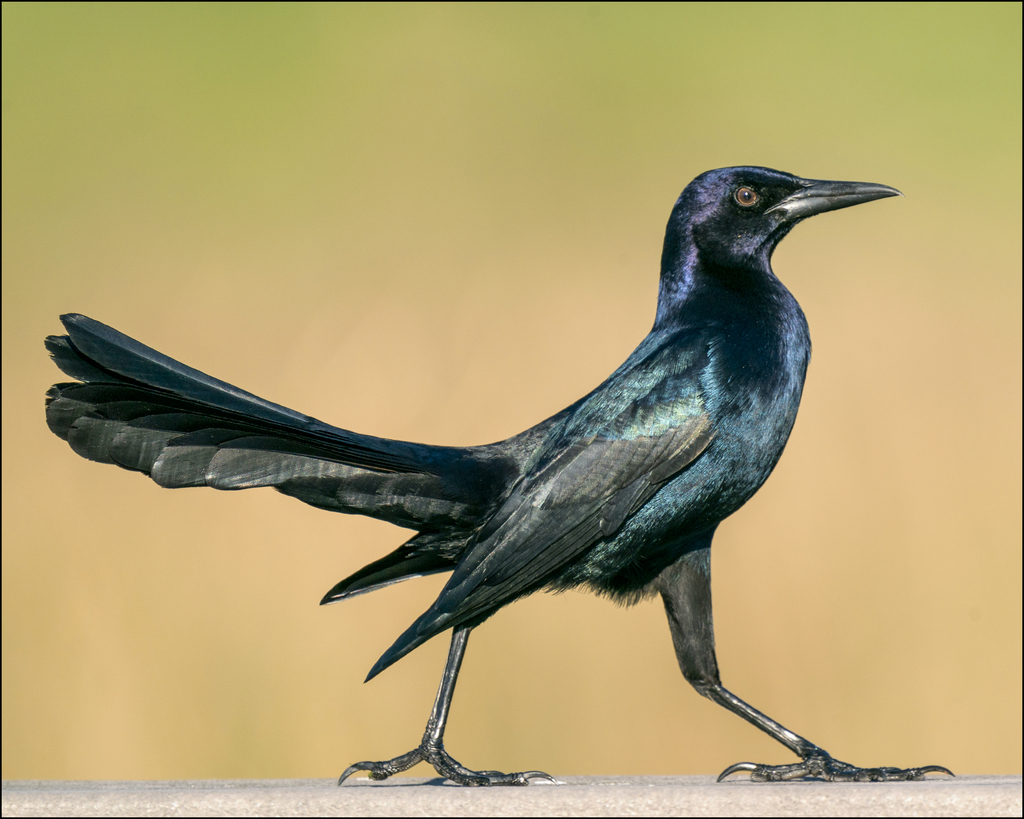
Birds
Boat-tailed Grackle
iNaturalist regional observations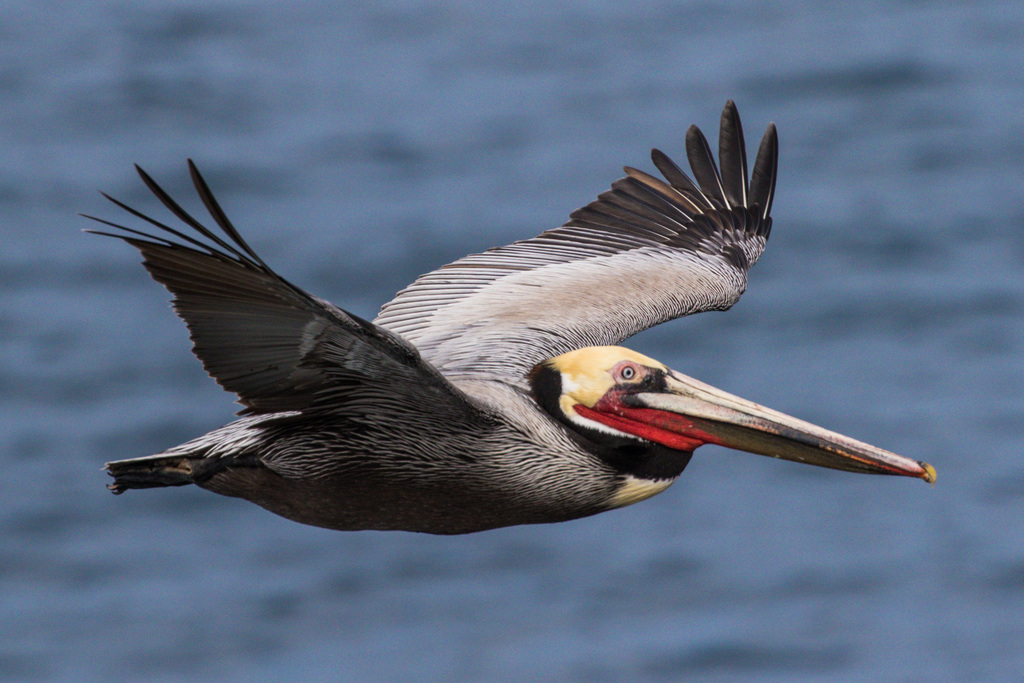
Birds
Brown Pelican
iNaturalist regional observations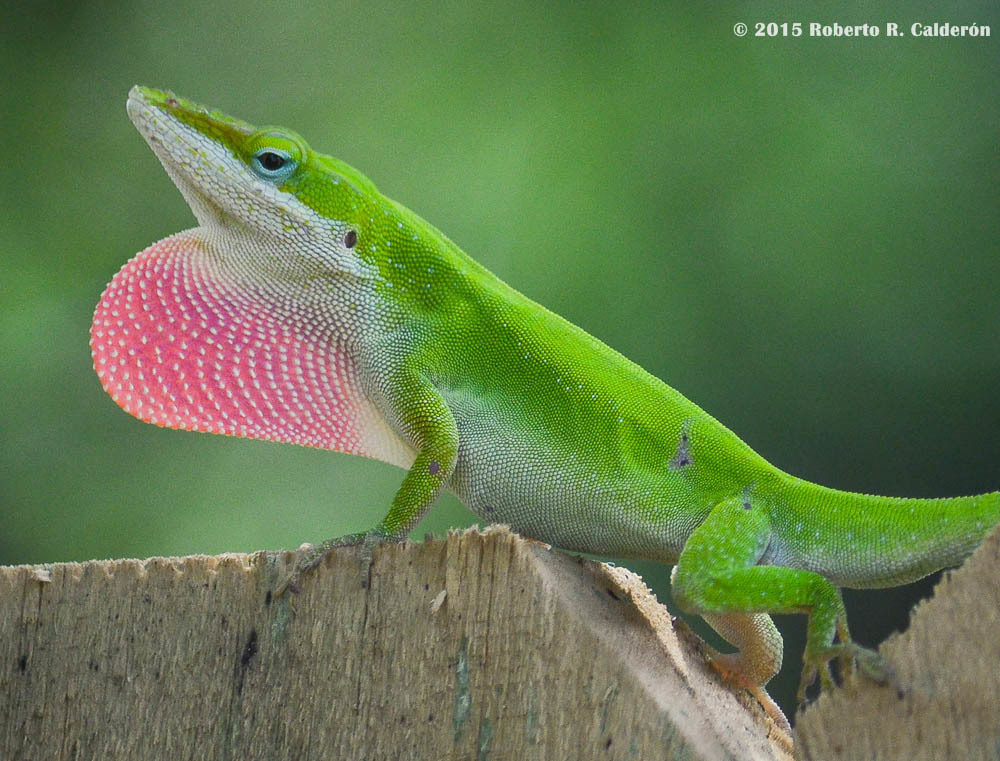
Reptiles & amphibians
Green Anole
iNaturalist regional observations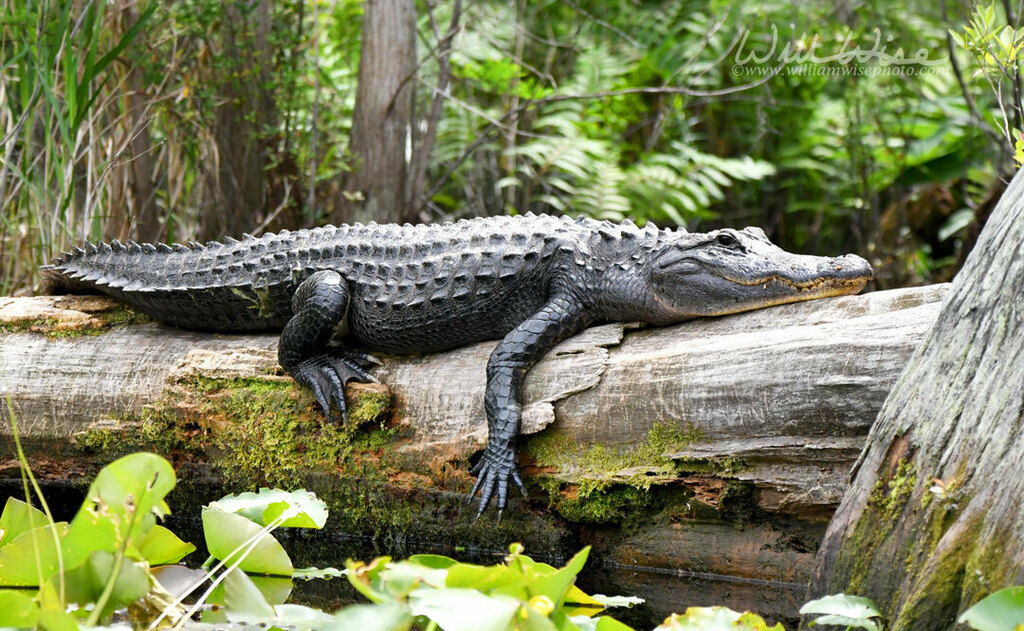
Reptiles & amphibians
American Alligator
iNaturalist regional observationsPlants
Venus Flytrap
iNaturalist regional observationsPlants
Yellow Pitcher Plant
iNaturalist regional observationsPlants
Longleaf Pine
iNaturalist regional observationsPlants
Purple Pitcher Plant
iNaturalist regional observationsMammals & bears
Eastern Gray Squirrel
iNaturalist regional observationsMammals & bears
White-tailed Deer
iNaturalist regional observationsMammals & bears
Eastern Fox Squirrel
iNaturalist regional observationsBirds
Laughing Gull
iNaturalist regional observationsBirds
Boat-tailed Grackle
iNaturalist regional observationsBirds
Brown Pelican
iNaturalist regional observationsReptiles & amphibians
Green Anole
iNaturalist regional observationsReptiles & amphibians
American Alligator
iNaturalist regional observationsLaughing Gull
iNaturalist regional observations · 1,493 obs
Green Anole
iNaturalist regional observations · 1,512 obs
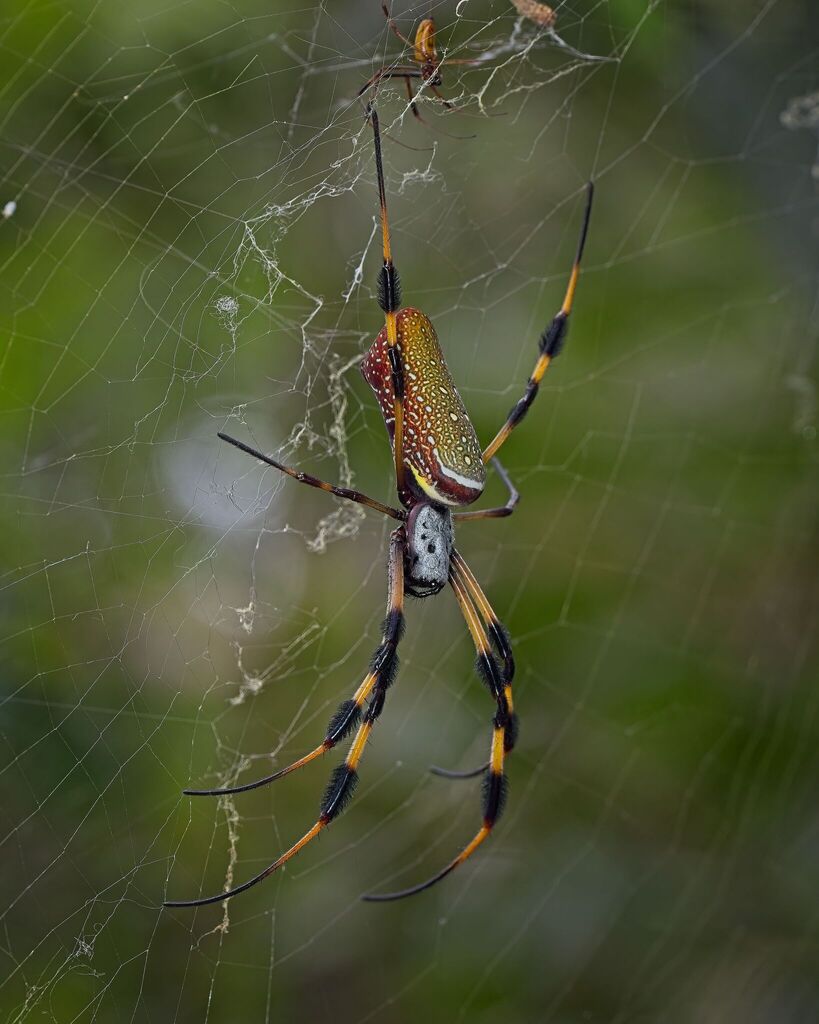
Golden Silk Spider
iNaturalist regional observations · 1,305 obs
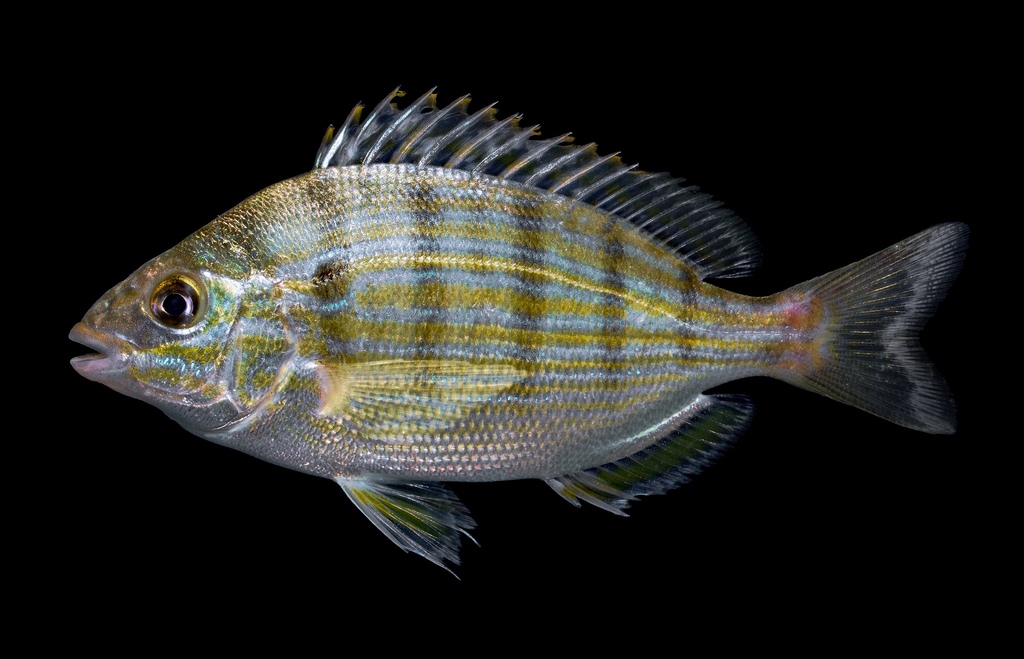
Pinfish
iNaturalist regional observations · 234 obs
202 obs in the regional sample
Dawn and dusk are the real activity windows — heat reshapes the day.
iNaturalist regional observations · 1,086 total observations
Birds
wing
Laughing Gull
Leucophaeus atricilla
iNaturalist regional observations1,493 obs in the regional sample
Boat-tailed Grackle
Quiscalus major
iNaturalist regional observations919 obs in the regional sample
Brown Pelican
Pelecanus occidentalis
iNaturalist regional observations862 obs in the regional sample
Nesting season — dawn chorus is dense, midday quiets down.
iNaturalist regional observations · 3,274 total observations
Reptiles & amphibians
rain skin
Green Anole
Anolis carolinensis
iNaturalist regional observations1,512 obs in the regional sample
American Alligator
Alligator mississippiensis
iNaturalist regional observations1,242 obs in the regional sample
Southern Toad
Anaxyrus terrestris
iNaturalist regional observations1,105 obs in the regional sample
Warm-rain frog calls and edge-of-water reptile activity.
iNaturalist regional observations · 3,859 total observations
Insects
small life
Golden Silk Spider
Trichonephila clavipes
iNaturalist regional observations1,305 obs in the regional sample
Gulf Fritillary
Dione vanillae
iNaturalist regional observations928 obs in the regional sample
Yellow Garden Spider
Argiope aurantia
iNaturalist regional observations580 obs in the regional sample
Insect activity peaks; pollinator and predator traffic both high.
iNaturalist regional observations · 2,813 total observations
Fish
fin
Pinfish
Lagodon rhomboides
iNaturalist regional observations234 obs in the regional sample
Atlantic Croaker
Micropogonias undulatus
iNaturalist regional observations134 obs in the regional sample
Bluefish
Pomatomus saltatrix
iNaturalist regional observations115 obs in the regional sample
Red drum, speckled trout, and flounder hold the salt marsh creeks; king mackerel and Spanish mackerel work the offshore breaks.
iNaturalist regional observations · 483 total observations
Plants
leaf
Venus Flytrap
Dionaea muscipula
iNaturalist regional observations2,274 obs in the regional sample
Yellow Pitcher Plant
Sarracenia flava
iNaturalist regional observations2,089 obs in the regional sample
Longleaf Pine
Pinus palustris
iNaturalist regional observations1,291 obs in the regional sample
Salt-tolerant grasses and dune plants hold the system together through every storm.
iNaturalist regional observations · 6,730 total observations